Show summary Hide summary
- What the show sets up: a lethal double life and a fading mind
- Key players and performances
- Where the series borrows from an earlier story
- Storytelling and tone: missed chances and safe choices
- Structure, pacing, and dramatic beats
- Recurring problems the premiere episodes reveal
- Elements that work
- Adaptation decisions and what they suggest
- How memory loss is portrayed and what’s missing
- Where the plot could go from here
- Final practical details
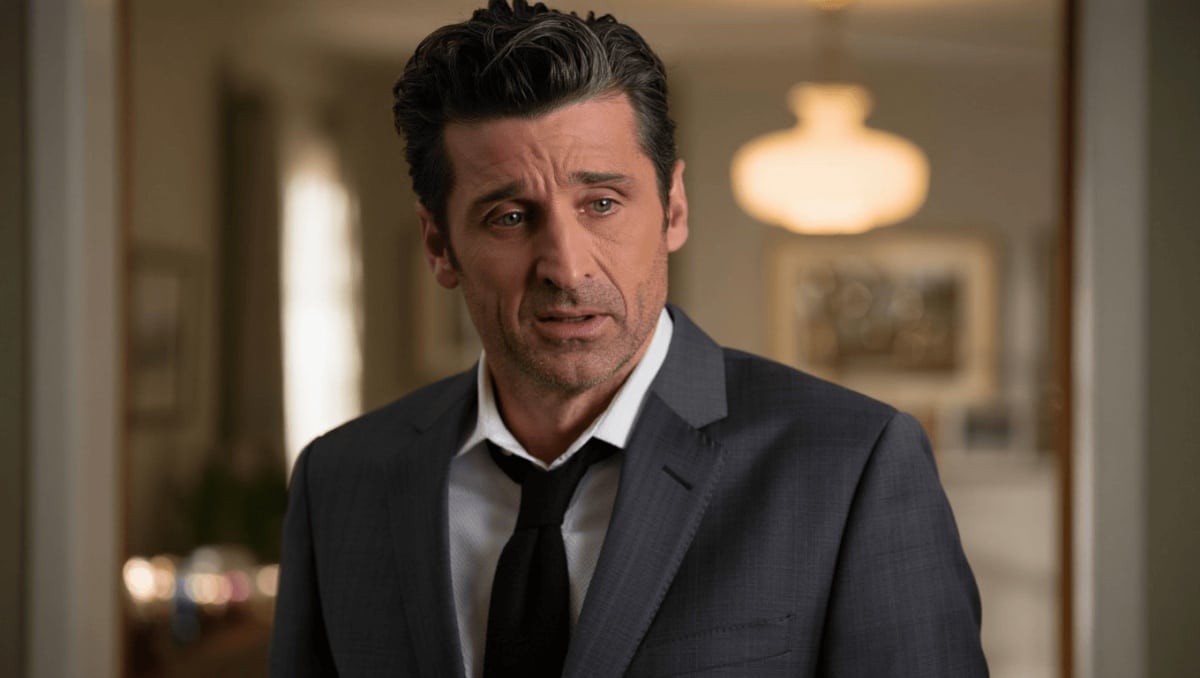
Angelo Doyle seems built from two different scripts. By day he is a grieving suburban father, tucking into domestic routines. By night he trades polos for suits, slides into a Porsche and carries out paid killings in New York. That split — and the cracks that begin to form when signs of cognitive decline creep in — powers Fox’s new drama Memory of a Killer. The series arrives with a high-concept hook and a strong cast, but the execution often feels muddled and uneven.
What the show sets up: a lethal double life and a fading mind
The premise is immediate and cinematic. Angelo, played by Patrick Dempsey, has constructed a long-running deception. He hides his work as a hitman from his daughter and neighbors. He also hides his family from the underworld contacts who employ him. That secrecy unravels as Angelo begins to show early symptoms of dementia. Small lapses become dangerous mistakes for a man whose job depends on precision.
Key players and performances
Street Fighter review: video game adaptation knocks itself unconscious
Smashing Pumpkins reunite with legendary 90s producer Butch Vig on new Hunger Games track
Patrick Dempsey’s central turn
Dempsey delivers a convincing portrait of a man living under a facade. His scenes at home — the casual warmth, the constrained grief — land with a believable softness. But when Angelo returns to his brutal profession, the energy shifts and the performance sometimes loses its grip. The duality at the center of the premise needs a clearer bridge.
Supporting cast that raises and lowers the stakes
- Michael Imperioli plays Dutch, Angelo’s handler. He brings a lived-in mob world texture.
- Odeya Rush plays Angelo’s daughter, a younger presence trying to make sense of family loss.
- Gina Torres appears as an FBI agent whose investigation drags Angelo’s secret life into daylight.
Imperioli has the kind of gravitas that immediately anchors criminal scenes. Rush’s quieter moments occasionally read flat next to Dempsey. Torres injects credibility into the procedural thread, though she cannot by herself deepen the crime drama’s thinner elements.
Where the series borrows from an earlier story
Memory of a Killer is adapted from the Belgian film that itself came from a novel. The showrunners rework that material for American television. The origin gives the series a built-in narrative spine: a hitman losing his memory. But adaptation also demands new language and tonal choices. At times the show struggles to translate the core idea into a distinctive TV voice.
Storytelling and tone: missed chances and safe choices
The series tends to play Angelo’s lapses in a literal, straightforward way. He forgets codes, loses his way, mislays weapons. Those incidents could be mined for dark humor, surreal tension, or visual experimentation. Instead, the show often treats them as if they require no stylistic risk. The result is emotionally muted rather than unsettling.
Structure, pacing, and dramatic beats
Pacing leans toward functional TV beats. Action scenes exist, but thrills are intermittent. A tense elevator fight stands out for its clarity and physicality. Much of the rest feels like procedural boxes being ticked: a contact questioned, a ledger found, a surveillance clue. The series hints at moral reckoning and memory as theme, but it rarely surrenders to ambiguity.
Recurring problems the premiere episodes reveal
- Character depth: Several figures remain sketchy or unexplored.
- Tonal mismatch: Domestic warmth and mob violence do not always blend.
- Visual imagination: There are few cinematic cues for a failing mind.
- Believability: The long con of Angelo’s double life strains credibility early on.
Elements that work
- Strong casting in key roles gives the show foundation.
- The central premise is compelling and marketable.
- Moments of violence and surveillance feel grounded.
- The dementia plotline offers potential for thematic depth.
When the script narrows its focus to character beats, the drama occasionally finds clarity. Gina Torres’s scenes, in particular, lift the procedural stake of the story and give credence to the investigation thread.
Adaptation decisions and what they suggest
The writers retained the Belgian source’s central idea but reframed it for a network audience. That choice influences tone and subplot priorities. Domestic scenes, family obligations and procedural pacing reflect American TV norms. The cost: some of the original’s sharper moral edges and stylistic risks are softened.
How memory loss is portrayed and what’s missing
Instead of using experimental visuals to map Angelo’s interior collapse, the show often documents symptoms plainly. Doors are forgotten; passwords are lost. These details are narratively relevant, but they rarely feel subjective. A more inventive approach could have made Angelo’s perspective immersive and unnerving.
Where the plot could go from here
Writers have options:
- Explore Angelo’s past to justify how he sustained the lie.
- Use cognitive decline to force moral reckonings and flashbacks.
- Deepen supporting characters so the family and mob stakes both land.
Each path would help the series move beyond setup and into material that explains choices, consequences, and regret.
Final practical details
Memory of a Killer premieres on Fox on Jan. 25 at 10 p.m. ET. Subsequent episodes air weekly on Mondays beginning Jan. 26.