
Show summary Hide summary
- What the story is about: comeback, rivalry and romance on ice
- Cast and characters: who clicks and who misfires
- Ice dancing and production: choreography, doubles and visual choices
- Tone and pacing: when small flaws add up
- Moments that work: small, well-earned scenes
- Who will enjoy it: best ways to watch
- Pros and cons at a glance for searchers
Netflix’s new YA series Finding Her Edge drops you into a world of glittering blades, family pressure and a knotty love triangle. The show centers on a once-promising skater trying to reclaim her place on the ice while old romantic lines get redrawn. It’s easy to watch without leaning in, and that’s both the point and the problem.
What the story is about: comeback, rivalry and romance on ice
The series follows Adriana Russo, the overlooked middle child of a skating family. Once a rising ice dancer, she walked away after a family tragedy. Now she’s pulled back into the sport to help save the family rink. Her comeback arrives at the same time as a personal scramble: she’s paired with a cocky new partner while her ex reappears across the rink with a new teammate.
Nas slams music industry over disrespect: teases new music, vows to address it
1992 vocal performances: 3 jaw-dropping moments that still amaze
This setup sends the plot where you expect. Key ingredients include:
- Sibling tension over legacy and sponsorships.
- A classic love triangle: Adriana, her new partner and her ex.
- Competitive rivalries that play out off the ice too.
- Social media scandals and staged romances.
What makes these familiar beats watchable is the skating itself. The show leans on physical moments — long stares during lifts, near-kisses in choreography — to keep viewers engaged without heavy plotting.
Cast and characters: who clicks and who misfires
The ensemble mixes earnest turns with uneven readings. Some actors bring warmth and clarity. Others feel caught between bland and overly dramatic.
Adriana Russo — the center of the storm
Adriana is the show’s emotional core. She carries the family’s expectations and the personal wounds from her mother’s death. The performance often lands in quiet scenes. She sells doubt and small breakthroughs well.
The rivals and partners
Her new partner is written as a skating “bad boy.” He’s talented, loud and supposed to spark chemistry on screen. At times he feels more flaky than dangerous. The chemistry with Adriana registers as pleasant, but rarely electric.
Across the rink is Adriana’s ex, now skating with her childhood friend. That pairing fuels drama and jealousy. Their relationship provides the show’s most predictable collision points.
Supporting players who matter
Elise, the eldest sister and former golden prospect, anchors the family’s hopes. Injuries and ego complicate her arc. Their father runs the rink. He’s a former Olympian who oscillates between tough-love coach and absent parent. The most consistent presence is a family friend turned coach named Camille. She brings steady warmth and a believable professional patience. In short, Camille feels like a real person amid uneven portrayals.
Ice dancing and production: choreography, doubles and visual choices
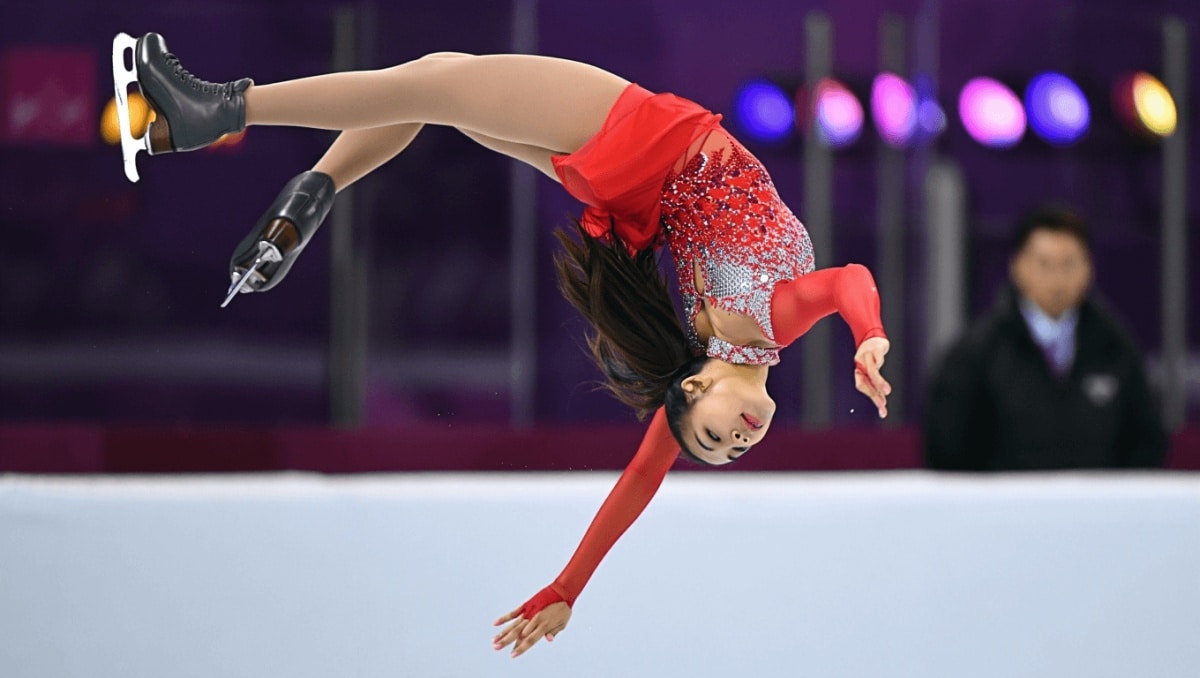
The show treats ice dancing as spectacle. Coaches and choreographers get screen time. Training montages and competition sequences showcase movement and close-ups. Those moments often outshine the melodrama.
That said, the production leans on body doubles in key lifts and spins. The doubles are competent, but the effect is odd. It undercuts immersion when cuts suddenly reveal a stunt performer. Still, the camera favors the sport’s beauty over gratuitous romance. The series keeps action within a TV-PG comfort zone.
Tone and pacing: when small flaws add up
The series aims for breezy, low-stakes drama. It rarely grows dark or daring. The pacing has perks and pitfalls. Episodes move quickly enough to avoid boredom. But the character beats sometimes snap from caring to cold in a single scene.
- Motivations can feel inconsistent from episode to episode.
- Relationships flip without clear setup.
- Emotional payoffs are earned only sparsely.
Those jagged shifts mean characters can feel less like whole people and more like mood swings. When the show leans into sweetness, it works. When it tries to manufacture depth, the fragments are visible.
Moments that work: small, well-earned scenes
Not everything is flat. The series scores in quiet places. A training-room conversation, a rare scene of male rivals sharing a laugh, or sisters banding together under pressure can feel authentic. These beats suggest the writers know how to find human truth in sports stories.
- Sibling solidarity scenes are surprisingly effective.
- Interludes where athletes respect each other feel earned.
- Warm, coach-led mentoring grounds the world.
Those scenes lift the show above purely disposable teen fodder. They also point to potential the show doesn’t always reach.
Who will enjoy it: best ways to watch
If you want a compact, low-commitment YA series, this fits the bill. It’s comfortable background viewing for a commute or chores. It’s also a decent entry point for fans of skating or light romance dramas.
But if you crave sharp plotting, sustained acting, or a deeper break from YA clichés, you may find it lacking. With many teen dramas already available, it’s a question of taste and tolerance for formula.
Pros and cons at a glance for searchers
- Pros: Attractive skating sequences, gentle tone, strong supporting coach character.
- Cons: Uneven acting, inconsistent character motivations, visible use of doubles.
- Best for: Viewers who like light YA romance, sports settings, and Netflix easy-watching.










