
Show summary Hide summary
The latest installment in the post-apocalyptic saga returns with a darker, stranger beat: a blend of medical sanctuary, shrine and violence. 28 Years Later: The Bone Temple thrusts viewers back into a fractured Britain where the living are as dangerous as the infected, and old wounds find new meanings.
How the new film connects to 28 Years Later
Rather than rebooting the story, 28 Years Later: The Bone Temple extends the timeline. Familiar threads continue, but the film carves out its own identity. It keeps the aftermath and social collapse central, while changing tone and focus.
Nas slams music industry over disrespect: teases new music, vows to address it
1992 vocal performances: 3 jaw-dropping moments that still amaze
Plot anchor
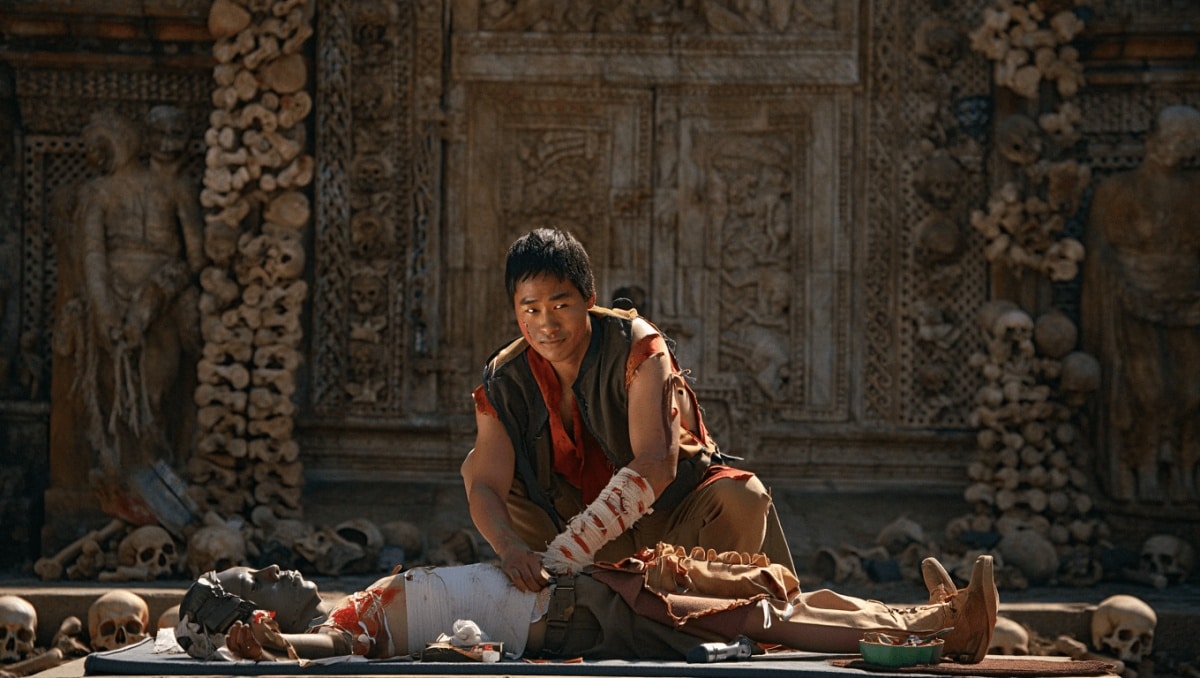
The narrative orbits a small refuge that doubles as a medical station and a memorial. That setting becomes a focal point for moral conflict and unexpected alliances. The survivors’ routines are haunted by both memory and menace.
Ralph Fiennes returns as a complex survivor
At the heart of the film is Ralph Fiennes, who reprises a role as a physician who has seen the slow erosion of civilization. He plays a man who tends to bodies and lives, a healer who has become an unlikely caretaker of ritual and remembrance.
Character dynamics
- Dr. Kelson—a measured, haunted presence balancing practical care with symbolic duty.
- Newcomers—visitors bring fresh tensions and secrets that reveal the refuge’s true fragility.
- Antagonists—violence in human form complicates survival more than the infected do.
Setting and new dangers: infecteds and human cults
The infected remain a constant threat, but the film pivots attention toward human-organized violence. Local vigilantes have become something darker: an organized group with ritualistic behavior and lethal intent.
- Infection remains unpredictable and terrifying, a landscape hazard.
- The real story explores how communities fracture and re-form into dangerous ideologies.
- The refuge’s dual role as clinic and shrine invites power struggles.
Visual and thematic choices that stand out
Filmmakers lean into stark imagery: abandoned urban spaces, intimate interiors of the refuge, and symbolic displays that blur medicine with ceremony. The result is both eerie and poignant.
Recurring motifs
- Bones and relics used as a form of memory and control.
- Medical instruments repurposed as tools of remembrance.
- Quiet moments of care set against sudden eruptions of violence.
Why viewers should pay attention
The movie asks what remains of humanity when law collapses. It resists easy answers and forces viewers to consider the moral cost of survival. Those drawn to character-driven horror and social commentary will find much to unpack.










