
Show summary Hide summary
- A compact Westeros tale that refuses the usual spectacle
- Who the main players are — and the actors behind them
- How this show differs from Game of Thrones and House of the Dragon
- A lighter tone with familiar Martin touches
- What the series includes — and what it leaves out
- Why this is an accessible entry point for newcomers
- Where it borrows from and honors the Dunk and Egg books
- Who might enjoy this version of Westeros
- Expectations and pacing to know before you watch
When HBO drops a new corner of Westeros into view, expectations come wired to the old signals: dragons, dynastic scheming, and sprawling chapters of brutality. But the network’s latest release, A Knight of the Seven Kingdoms, flips that script. It shrinks the world, slows the dread, and asks viewers to watch a pair of unlikely companions fumble toward honor at a jousting tournament.
A compact Westeros tale that refuses the usual spectacle
Set in the familiar continent created by George R.R. Martin, this series is not another sweeping epic. The story unfolds over a few days and stays largely in one place. Expect no grand armies, no dragons, and no intricate family trees to decode.
Nas slams music industry over disrespect: teases new music, vows to address it
1992 vocal performances: 3 jaw-dropping moments that still amaze
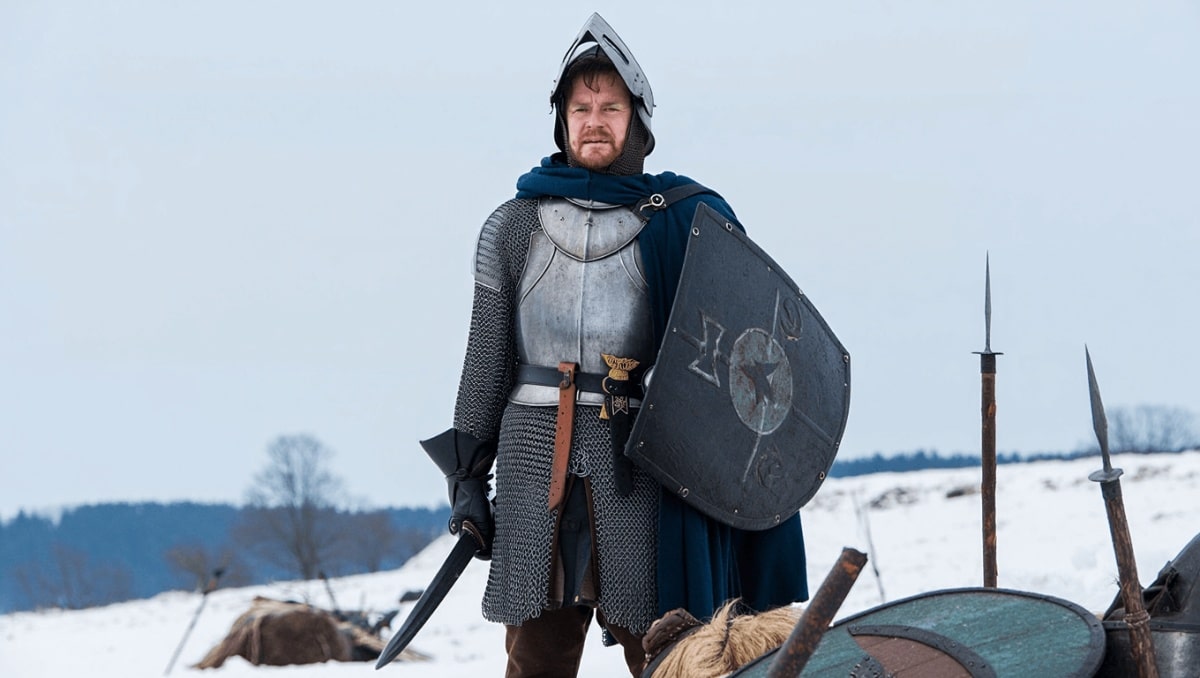
Instead, the plot follows a down-on-his-luck squire who tries to become a knight, and the young companion who clings to his side. It’s an intimate, character-driven story more interested in small gestures than in world-shattering events.
Who the main players are — and the actors behind them
The duo at the center
- Dunk (Ser Duncan the Tall): Played by Peter Claffey, he’s a bulky, earnest man who has spent years serving a traveling knight.
- Egg: Portrayed by Dexter Sol Ansell, this youth has a surprising grasp of chivalry and the ways of knights.
When Dunk’s mentor dies, Dunk takes up the mantle and enters a tournament to prove himself. Egg accompanies him, providing cleverness and a steadying influence.
How this show differs from Game of Thrones and House of the Dragon
The contrasts are deliberate. A Knight of the Seven Kingdoms pares back elements fans may expect from HBO’s other Westeros dramas.
- Episode count and length: six episodes, roughly 30 minutes each.
- Scope: the action is local and compressed into a few days.
- Viewpoint: told from the angle of common folk rather than ruling houses.
- Tone: brighter and more comedic than the grim dramas that came before.
A lighter tone with familiar Martin touches
There’s humor here. The series lets moments breathe and leans into farce at times. Dunk is presented as a lovable underdog, the sort of man who might have been crushed in other Martin adaptations. But Egg’s presence and wit add glimpses of hope.
That said, some of Martin’s recurring tendencies remain. Female characters with speaking roles are often cast as sex workers or romantic figures. Too often, these roles are used to move the male protagonist’s story forward through harm done to them.
What the series includes — and what it leaves out
- Included: jousts, small-scale conflicts, character comedy, and a grounded slice of Westeros life.
- Excluded: dragons, overt magic, sprawling family trees, and the multi-continent spectacles viewers may expect.
One production detail worth noting for viewers: the show contains some male nudity, including full-frontal shots.
Why this is an accessible entry point for newcomers
If you avoided Game of Thrones because fantasy tropes put you off, this miniseries may change your mind. It doesn’t demand a crash course in lore. You won’t need to consult a wiki to follow the plot.
- Short runtime per episode makes it easy to sample.
- Smaller cast reduces confusion about who is who.
- The story’s stakes feel human and immediate rather than mythic.
Where it borrows from and honors the Dunk and Egg books
The show adapts material from Martin’s shorter Dunk and Egg tales. Fans of those novellas will recognize the tone: quieter, anecdotal, and often wiser for its restraint. The adaptation captures the modest scale and the gentle moral center of the source material.
Producers signal a hope to adapt more of the Dunk and Egg stories. If audiences respond well, more installments could follow.
Who might enjoy this version of Westeros
- Viewers who want lighter, character-led fantasy.
- People curious about Martin’s world but wary of sprawling epics.
- Fans of small-cast dramas with comedic beats and heart.
For those who reveled in dragons and apocalyptic threats, the pleasures are different here. You trade spectacle for intimacy, and sweeping peril for the messy dignity of two men trying to do the right thing.
Expectations and pacing to know before you watch
Pacing is brisk. The six-episode arc moves quickly and focuses on the tournament and its human fallout. Characters reveal themselves through dialogue and action rather than grand parades or flashbacks.
If you approach it as a contained comedy with a medieval dressing, you’ll be rewarded. If you come seeking high fantasy pyrotechnics, this is not the corner of Westeros for you.










