
Show summary Hide summary
- How conservative creators changed what people saw about the Minneapolis shooting
- What the tracking data reveals about engagement and views
- Key players pushing pro-ICE coverage
- Why left-leaning voices struggle to match reach
- How this shapes public debate and news coverage
- Voices on the ground trying to respond
- Lessons for activists and newsrooms seeking accountability
Within hours of video and reports of an ICE agent killing Renee Good in Minneapolis, a surge of right-wing influencers, podcasters, and conservative journalists arrived and began shaping the story on social media. Their on-the-ground footage, ride-alongs, and repeated posts pushed a competing narrative that reframed protesters, justified ICE’s actions, and reached millions of viewers beyond Minnesota.
How conservative creators changed what people saw about the Minneapolis shooting
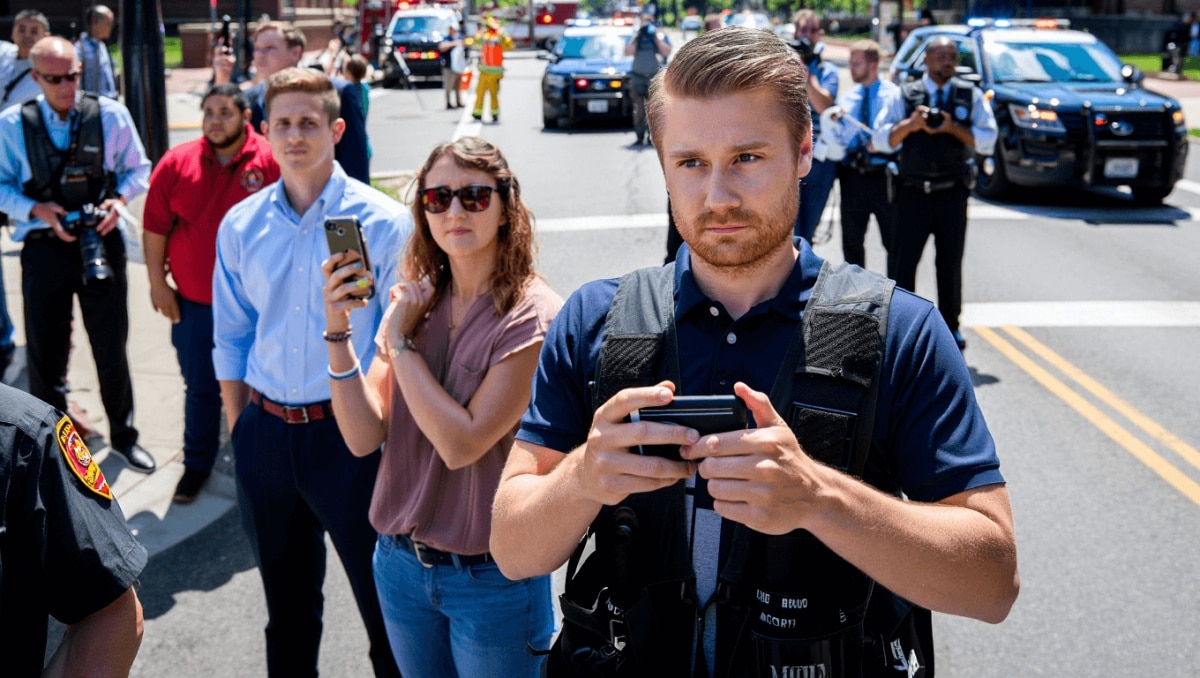
Creators aligned with Donald Trump’s allies produced a high volume of content from the scene. They filmed confrontations, accompanied Immigration and Customs Enforcement teams, and livestreamed moments that fueled intense debate online.
Nas slams music industry over disrespect: teases new music, vows to address it
1992 vocal performances: 3 jaw-dropping moments that still amaze
- Raw footage was everywhere: clips of protests, heated exchanges, and ICE activity circulated quickly.
- Some creators appeared to provoke or amplify tensions during live streams.
- Major accounts amplified local clips, broadening reach to national and partisan audiences.
That deluge of material created parallel narratives. One stream centered on community outrage and the question of accountability. Another cast protesters as violent and defended ICE tactics. Both circulated widely, but the right-wing ecosystem pushed its version with particular speed.
What the tracking data reveals about engagement and views
Researchers at Magnitude Media measured how posts tied to ICE, immigration, and the Minneapolis shooting spread online after January 7. Their numbers complicate what individual feeds might suggest.
- Left-leaning posts generated about 110 million interactions on immigration topics. Right-leaning posts drew roughly 76 million.
- On content naming Renee Good, Jonathan Ross, or Minneapolis, left-leaning pages led by some tens of millions of engagements.
- However, by January 9 right-leaning views surged, and their content began to outpace left-leaning clips in raw view counts.
In short, engagement and views told different stories. Left-leaning pages got more direct interaction early on, but right-wing creators ramped up production and achieved large view totals that widened their audience.
Key players pushing pro-ICE coverage
Several individual creators and accounts drove much of the right-leaning coverage from Minneapolis.
- Nick Sortor — one of the on-the-ground influencers posting frequent footage.
- Eric Daugherty — a pro-Trump journalist who amplifies conservative clips.
- Other active names included Cam Higby and Nick Shirley, among others.
Vox’s analysis found a small number of brands and usernames accounted for a disproportionate share of the right-leaning output. Their clips often have strong cross-platform traction.
Why left-leaning voices struggle to match reach
Experts point to both individual incentives and structural advantages that give conservative creators an edge online.
- Personal incentives and risk tolerance: Many right-wing creators travel quickly to high-intensity scenes. They monetize streams, accept donations, or get support from aligned networks.
- Official access and partnerships: DHS and ICE have offered ride-alongs and friendly access to creators who support their message.
- Funding and monetization gaps: Conservative networks and donors bankroll persistent coverage. Left-leaning creators often lack similar financial backing.
- Platform dynamics: Right-wing accounts frequently re-edit or weaponize raw footage to maximize virality.
Access: ride-alongs and official support
In Minneapolis, the Department of Homeland Security extended ride-along privileges to allied creators, as it has at the border and in other cities. That direct access produced exclusive material that conservative channels shared widely.
Money and infrastructure
Independent reporters and left-leaning streamers often cannot fund long stays on the ground. As Ryan Broderick of Garbage Media noted, conservative streamers and donors provide sustained resources and support.
Platform economics and reach
Many leftist creators struggle to monetize the kind of footage that right-leaning channels turn into high-engagement clips. Platforms like X, YouTube, TikTok, and Threads frequently reward formats favored by right-wing streams.
How this shapes public debate and news coverage
Polling in the days after the shooting shows broad public exposure to the clips and majorities saying they doubt the killing was justified. Still, the competing streams mean conversations are fragmented.
- National visibility: The story broke through to many Americans, but partisan audiences received different versions.
- Newsroom strain: Local outlets and independent journalists face a resource gap when trying to sustain coverage and counter misinformation.
- Weaponized footage: Even neutral videos can be repackaged to portray protesters negatively or to excuse ICE actions.
That environment benefits actors who can rapidly generate and distribute content. Until more balanced distribution systems or equivalent resources emerge, narratives around high-stakes events will remain contested.
Voices on the ground trying to respond
Some independent outlets and reporters have stepped in with alternative reporting methods. They often partner with local organizations or use community ride-alongs to document events.
- Zeteo News’ Prem Thakker used community ride-along reporting to offer a different perspective.
- Minnesota-based Mercado Media and independent journalist Amanda Moore provided sustained local coverage.
These efforts matter, but their reach rarely matches the constant stream from right-wing creators who enjoy broader networks and funding.
Lessons for activists and newsrooms seeking accountability
Coverage of the Renee Good shooting highlights long-standing imbalances in media infrastructure. The right has spent years building monetizable channels, donors, and streaming practices.
- Short-term wins: Rapid, well-funded coverage can dominate feeds quickly.
- Long-term challenge: Without comparable funding or distribution, critics of ICE struggle to sustain attention.
- Platform response: Editing, reshares, and algorithmic boosts can amplify partisan frames over neutral accounts.
Journalists and activists say the fix requires both resource investment and smarter distribution strategies to counteract highly produced, partisan narratives.










