
Show summary Hide summary
- How streaming consolidation is testing the theatrical model
- Young people are returning to theaters in surprising numbers
- Why cinemas are appealing to younger audiences again
- Social media and fandom are fueling moviegoing
- Why the theatrical experience fights back against endless scrolling
- What content still brings audiences back to cinemas
- Industry pressure as streamers consolidate studios
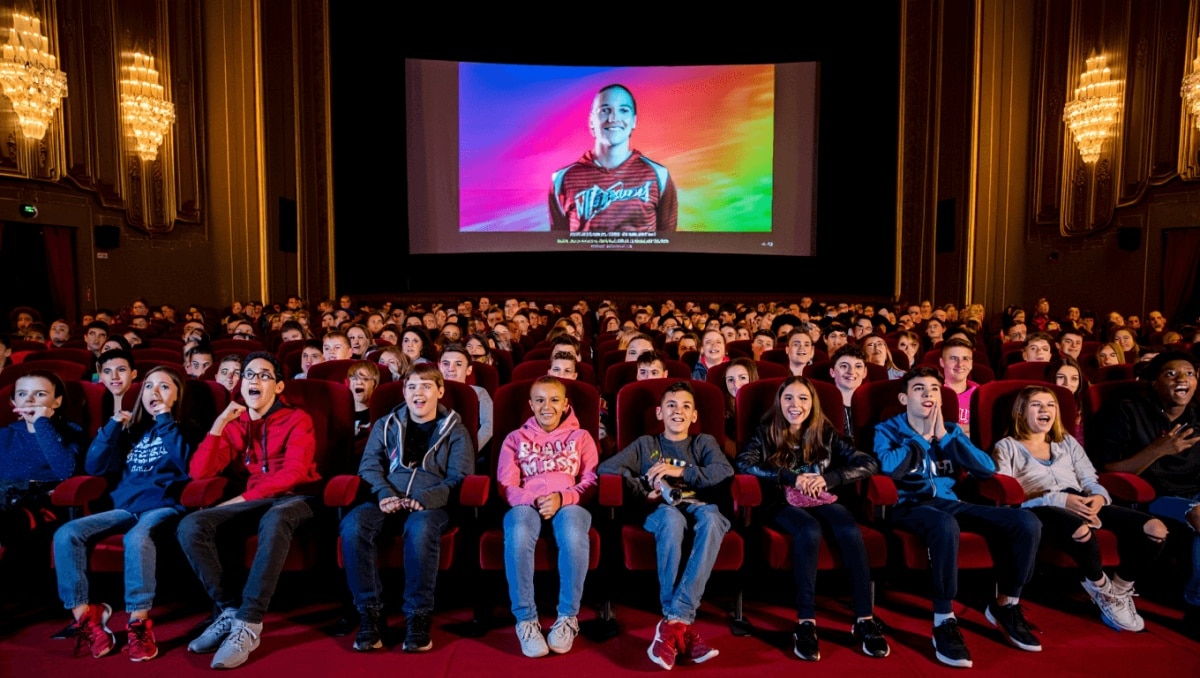
Movie palaces may look to be on borrowed time as streaming platforms bulk up and experiment with shorter theatrical windows. Yet an unexpected ally has emerged: today’s youngest audiences. Their renewed appetite for communal screenings is reshaping what going to the movies means and challenging the idea that every film belongs first on a phone or living-room TV.
How streaming consolidation is testing the theatrical model
The film business is shifting beneath our feet. Major deals, like Netflix’s planned takeover of Warner Bros. Discovery, have renewed debate over how long films should live exclusively in theaters. Executives argue that immediate streaming release schedules can be more convenient for viewers.
Nas slams music industry over disrespect: teases new music, vows to address it
1992 vocal performances: 3 jaw-dropping moments that still amaze
Critics warn these moves could shrink the theatrical window to a few weeks — or cut it out entirely for some titles. That prospect alarms filmmakers and cinema owners who see a long theatrical run as vital for culture and revenue.
The bottom line: ownership of studios by streamers may change how and where audiences first see movies.
Young people are returning to theaters in surprising numbers
Recent industry studies show a rebound in attendance among younger cohorts. Cinema United reported a sharp rise in Gen Z visits last year. Attendance among Gen Z jumped roughly 25 percent, and the share of that group going to the movies six times or more annually climbed from about 31 percent to 41 percent.
Even younger viewers — Gen Alpha — register strong preferences for cinema. Surveys indicate that a larger share of Gen Alpha favors watching films in theaters than streaming them at home.
- Millennials who prefer theaters: around 45 percent.
- Gen Z (Zoomers) who prefer theaters: about 48 percent.
- Gen Alpha favoring theaters: roughly 59 percent.
These figures complicate the narrative that the public only wants streaming. Instead, they suggest a cohort-based reopening of demand for shared, out-of-home entertainment.
Why cinemas are appealing to younger audiences again
Cinemas are not the same places they were a decade ago. Chains and independent theaters have introduced upgrades aimed at making a night at the movies feel like an event.
- Comfort: reclining, couch-like seating is a key draw for younger moviegoers.
- Food and drink: in-seat ordering and bar service turn films into full outings.
- Exclusive merch and collectables: limited-edition items create buzz and shareability.
- Loyalty programs: subscription tiers and memberships make frequent visits affordable.
These enhancements are priced higher than old-fashioned matinees. Yet many Gen Z patrons say the extras justify the cost. For them, the theater is less a passive viewing room and more a curated night out.
Operators betting on experience over price
The strategy is clear: transform viewing into an experience that streaming can’t copy. Plush seats, upscale concessions, and event-based programming entice people away from their screens.
Result: attendance can rise even while ticket prices do. The upgrade strategy banks on the idea that young audiences will pay for social, memorable outings.
Social media and fandom are fueling moviegoing
Cinema-going today doubles as social media content. Audiences film, review, and dissect movies online within hours of leaving a screening. Platforms like TikTok and Letterboxd turn single-view moments into ongoing conversations.
That dynamic encourages both attendance and repeat viewings. Seeing a film becomes part of a larger cultural ritual: posting takes, gathering opinions, and joining fan communities.
- Immediate reaction posts on #FilmTok influence ticket sales fast.
- Letterboxd provides a public log for cinephiles and critics alike.
- Arthouse labels use Instagram-ready merch to reach younger viewers.
The social layer makes the theater an access point to cultural capital. For many young people, it’s not just entertainment but a way to participate in trends and taste-making.
Why the theatrical experience fights back against endless scrolling
After years glued to small screens, many young viewers appreciate the contrast a theater offers. A dark auditorium removes distractions. It asks for attention in a way a phone never can.
Industry observers note that younger generations, who have always had smartphones, treat streaming as ordinary. That makes leaving the house for an immersive, collective viewing feel novel.
Observation from theater managers: students and young patrons often say they want to be around others. For them, going out is part of being social, not merely about watching a film.
What content still brings audiences back to cinemas
Despite streaming’s expansion, certain movies still drive box-office excitement. Original films, event pictures, and quality storytelling draw crowds. Recent theatrical standouts included a high-grossing original film by a major director and international hits that found large U.S. audiences.
Even smaller releases can shine. Films with strong critical buzz or passionate fanbases post impressive per-theater averages. These wins show that compelling cinema can cut through the noise of streaming catalogs.
At the same time, there is concern. If major studios shift most of their output straight to streaming, the variety of theatrical offerings could thin. The industry is watching whether storytelling excellence will be enough to preserve a robust theatrical ecosystem.
Industry pressure as streamers consolidate studios
The Netflix-Warner Bros. move highlights a tension: consolidation can streamline distribution, but it may also limit theatrical opportunities. Filmmakers and theater advocates have cautioned lawmakers about the deal’s potential to compress release windows.
Some professionals fear this could reduce the time films spend in cinemas to mere weeks. Others worry that certain projects may skip theaters entirely and appear exclusively on streaming platforms.
Implication: the next few years could redefine where films premiere and how audiences experience them.
Can young audiences revive theaters the way vinyl revival revived records?
There are parallels. Once-declared-dead formats can return when consumers adopt them as cultural statements. Young moviegoers are showing curiosity and enthusiasm for theaters that mirrors past waves of revival in other media.
They seek communal moments, shareable rituals, and deep storytelling. If that appetite persists, the industry may need to listen and adapt.










