
Show summary Hide summary
- Small scale, sharp focus: a fresh take on George R.R. Martin’s world
- How Dunk and Egg’s journey begins
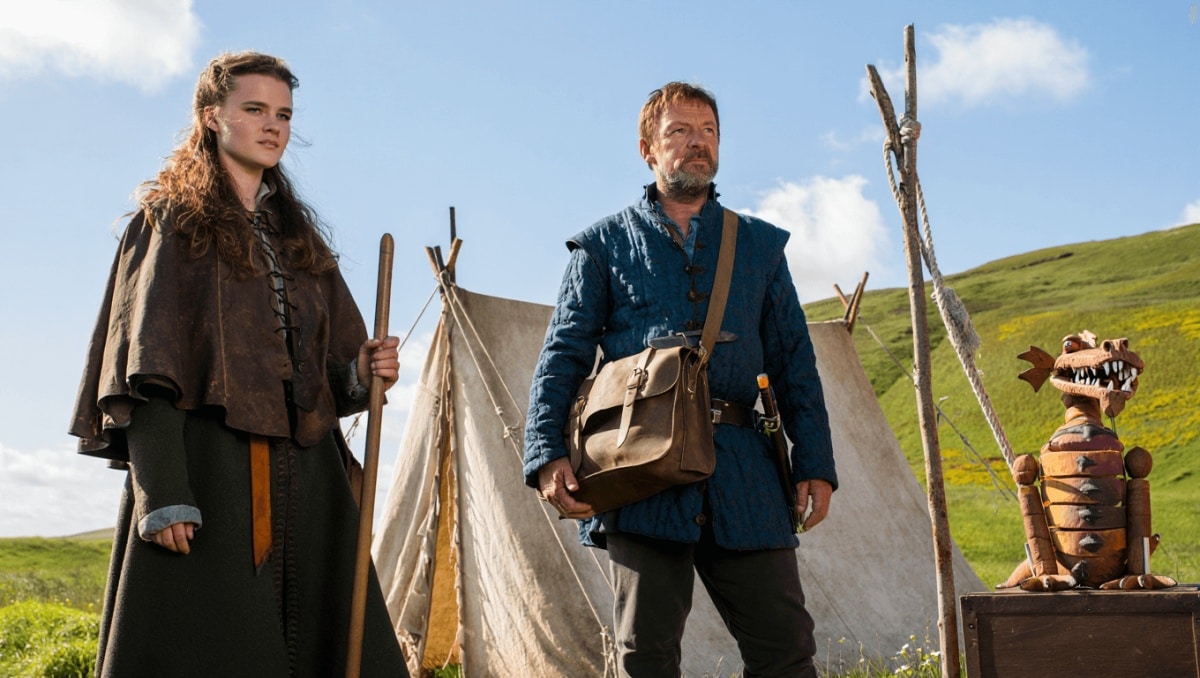
- The tournament: revelry, politics and a surprising puppet dragon
- Tone swings: from buddy comedy to something darker
- Direction, locations and production choices that serve the story
- Writing and the show’s emphasis on ordinary lives
- Performances: an anchored comic duo and an uneven supporting cast
- Moments that linger and what sets this spinoff apart
- Why viewers should give it a try
The first episode of HBO’s A Knight of the Seven Kingdoms surprises by trading spectacle for charm. A modest dragon puppet, a dusty tournament tent and a mismatched pair of travelers steer this six-episode tale into unexpectedly warm territory.
Small scale, sharp focus: a fresh take on George R.R. Martin’s world
Where recent spinoffs stretched the saga into grand canvases, this series trims the scope. Episodes run tight. The season functions more like a novella than an epic.
Nas slams music industry over disrespect: teases new music, vows to address it
1992 vocal performances: 3 jaw-dropping moments that still amaze
- Six episodes, most under 40 minutes.
- Story centers on a single journey and one tournament.
- Less houses, fewer locations, more character moments.
The result is quieter and often funnier, leaning on conversation and character beats instead of sprawling politics and CGI set pieces.
How Dunk and Egg’s journey begins
The show opens with Duncan — called Dunk — burying the man he called father. He inherits a few trinkets, a sword, and a rumor: that he was knighted before the old man died.
Needing legitimacy and a chance for coin, Dunk heads to a tournament. On the road he meets Egg, a pale, odd little boy who insists on becoming Dunk’s squire. Their pairing sets the tone: one hulking, slow-speaking man and one quick-witted, fleet-minded youth.
The tournament: revelry, politics and a surprising puppet dragon
The competition is small but packed with personality. Royalty is present, including Baelor Targaryen, heir to the throne, and his stern brother Maekar, who’s worried because two of his sons have vanished.
Notable figures include a boozy Ser Lyonel Baratheon and a host of tent-side tradespeople. A Dornish puppeteer brings a fire-breathing attraction that thrills and later complicates the proceedings.
- Royal oversight raises stakes beyond sport.
- Side characters — servants, vendors, sex workers — populate the margins.
- The dragon is practical: a crafted puppet that sparks wonder without blockbuster expense.
The puppet dragon becomes a clever choice. It delivers spectacle without the visual-effects dominance common to recent franchise entries.
Tone swings: from buddy comedy to something darker
Early episodes play like a road comedy. Dunk and Egg trade barbs, share campfire songs, and explore knighthood’s absurdities. The writing often goes for broad laughs and lowbrow gags.
As the tournament progresses, the show pivots. Political cruelty and brutal justice enter the frame. Deaths mount and the atmosphere hardens.
What changes the feel
- Comic relief gives way to tension.
- Violence becomes more explicit and consequential.
- A lighter start makes the darker second half more jarring.
That tonal journey can confuse awards categories and audience expectations. Still, the comedy’s boldness early on is part of the show’s identity.
Direction, locations and production choices that serve the story
Directors Owen Harris and Sarah Adina Smith keep scenes open and natural. The camera favors green hills and diagonal compositions. Northern Ireland’s landscapes make simple framing feel cinematic.
Combat scenes are visceral. This is not family fare. Close-up swordplay and blunt impacts underscore the series’ grounding in grit rather than glamor.
Practical effects and location work often outshine heavy CGI. The dragon puppet and real-world settings create tactile charm.
Writing and the show’s emphasis on ordinary lives
Adapted by George R.R. Martin and Ira Parker, with contributions from a small writers’ room, the scripts emphasize lowborn perspectives. Innkeepers and laborers get sharp, observational lines that satirize heroic pageantry.
The writing team uses small talk to reveal character and world. An innkeeper’s quip about a tournament failing to affect the price of eggs nails the franchise’s recurring theme: glory rarely helps the common folk.
Performances: an anchored comic duo and an uneven supporting cast
Peter Claffey and Dexter Sol Ansell carry the series. Claffey’s size and slow cadence contrast perfectly with Ansell’s energetic, sly presence. Their chemistry feels lived-in and effortless.
Supporting turns add color. Bertie Carvel and Sam Spruell bring unpredictable royal force. Daniel Ings supplies boisterous levity as a drunken knight.
Female roles are more limited. The puppeteer, played by Tanzyn Crawford, is the most developed among the women, but overall the ensemble skews male.
- Standout pairing: Claffey (Dunk) and Ansell (Egg).
- Strong guest turns from seasoned character actors.
- Less depth given to female characters.
Moments that linger and what sets this spinoff apart
Memorable beats are often small: a drunken toast, a whispered confession, a silly song lyric debated at a roadside inn. These human touches give the show heart.
Compared with bigger-budget franchise entries, this series trades spectacle for intimacy. That makes it feel like a different animal entirely — a compact comedy-drama lodged inside the familiar world of Westeros.
It’s a portrait of knighthood seen from the margins, with humor and violence sitting side by side.
Why viewers should give it a try
Fans curious about tonal variety in the Martin universe will find value here. The show offers fresh pacing, strong lead chemistry, and a willingness to be small and sly.
- Perfect for viewers who prefer character-driven stories.
- Offers comic moments rare in recent spinoffs.
- Second season has already been greenlit, signaling confidence in the format.










