
Show summary Hide summary
- Cold War Moscow: A Stylized Backdrop for Espionage
- Two Women on a Mission: The Central Partnership
- Writing and Tone: An Uneven Mix of Genres
- Performances: Strengths and Shortcomings
- Supporting Cast: Flavor Without Full Development
- Visuals, Costumes and Sound: Retro Flair Done Well
- Pacing and Plot: Slow-Burn Moments and Late Action
- Themes and Emotional Core: Identity, Deception and Agency
- Where Ponies Succeeds — And Where It Falters
- Notable Episodes and Standout Scenes
- Questions the Series Leaves Open
Peacock’s Ponies drops viewers into a smoky, retro Moscow where espionage is a day job and deception is a lifestyle. The series aims for a blend of spycraft, 1970s glamour and buddy comedy, but it often trips over uneven writing. Still, strong visuals and a crackling lead duo make the show worth scanning for fans of Cold War drama.
Cold War Moscow: A Stylized Backdrop for Espionage
The show leans into period detail. Streets, embassies and dimly lit apartments feel lived-in.
Nas slams music industry over disrespect: teases new music, vows to address it
1992 vocal performances: 3 jaw-dropping moments that still amaze
- Production design favors warm mustard, teal and wood tones.
- Costumes channel loud 1970s American fashion.
- The soundtrack mixes classic rock hits with moody cues.
The setting sells the mood, even when the plot strains credulity. The city’s surveillance culture is central. Cameras, bugs and mistrust are everywhere. That constant watchfulness fuels most of the plot beats.
Two Women on a Mission: The Central Partnership
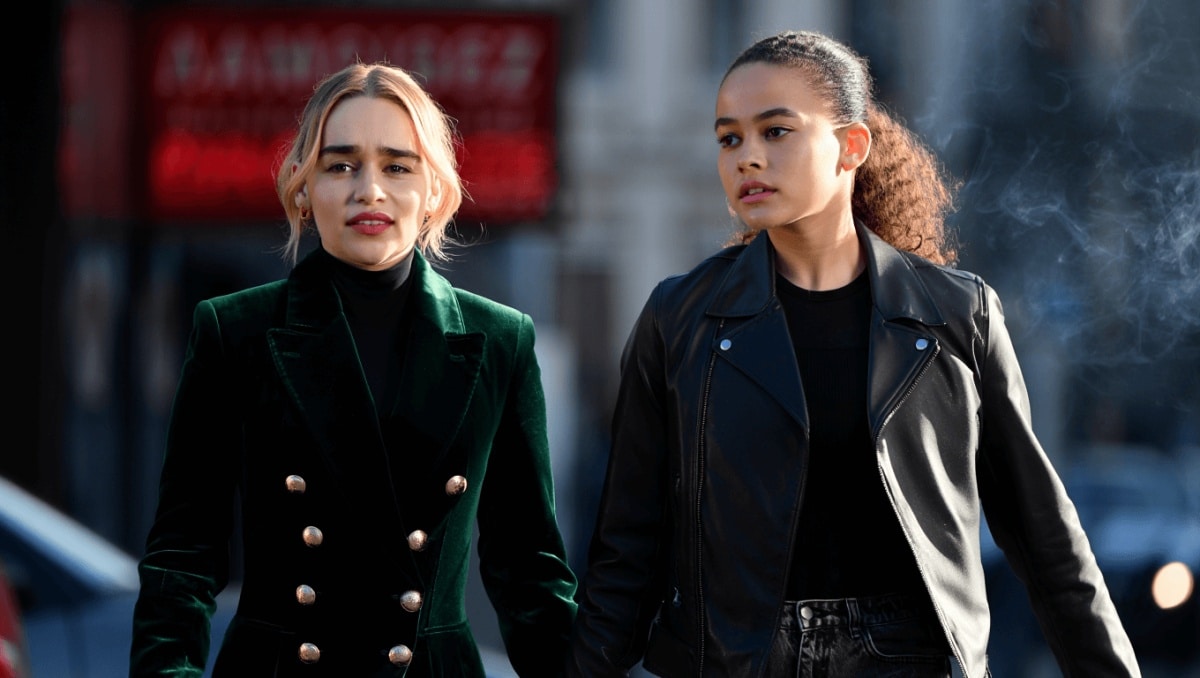
At the heart of Ponies are two American widows turned operatives. Their partnership carries the series.
Bea and Twila: Contrasting leads
- Bea is reserved, careful and slowly drawn into danger.
- Twila is loud, brash and uses charm like a tool.
That mismatch creates many of the show’s brighter moments. Watching them navigate Moscow and the CIA’s gendered blind spots provides energy. Their chemistry is one of the series’ real assets. Scenes of them gossiping or bickering land with an easy chemistry that feels genuine.
Writing and Tone: An Uneven Mix of Genres
Ponies juggles comedy, thriller beats and emotional drama.
- At times it aims for laugh-out-loud buddy comedy.
- Other moments reach for tense spycraft and heartbreak.
- Occasional romance threads try to add stakes.
That tonal variety can be thrilling. But the script rarely explains why the protagonists make key choices. Motivation often shifts without enough setup. As a result, the emotional payoff is muted. The series can feel more stylish than substantial.
Performances: Strengths and Shortcomings
The cast delivers mixed results. Some actors elevate thin material. Others are hamstrung by inconsistent pages.
- Haley Lu Richardson brings bubbly persistence to Twila.
- Emilia Clarke gives Bea a gentle, intimate center.
- Supporting players add texture but get limited arcs.
Richardson’s energy often carries scenes. Clarke finds warmth in quieter moments. But both leads sometimes land in scenes that demand more interior detail than the scripts provide. In those stretches, performances drift toward caricature or rom-com beats that clash with darker spy elements.
Supporting Cast: Flavor Without Full Development
Secondary characters provide flavor but rarely fully emerge.
- The CIA bureau chief is a cool, world-weary figure who hints at deeper stakes.
- A local electronics worker becomes a surprising romantic foil.
- Other embassy staff alternate between comic relief and thin sketches.
Moments with veteran actors add gravitas. Yet many supporting roles exist to forward plot rather than explore inner life. The result is a world that looks rich but feels a little hollow.
Visuals, Costumes and Sound: Retro Flair Done Well
When Ponies leans on aesthetics, it excels. The production design and wardrobe are bold and specific.
- Costumes highlight an American contrast in Soviet surroundings.
- Sets communicate class and secrecy with practical details.
- Music choices amplify emotional beats and era cues.
These elements make the series instantly watchable. Even if the plot meanders, the visuals and music keep viewers engaged. There are scenes where image and sound carry the story more convincingly than the dialogue.
Pacing and Plot: Slow-Burn Moments and Late Action
The season often ambles through vignettes. Then it accelerates into action near the end.
- Midseason episodes favor character banter over forward momentum.
- The finale ramps up with chases, gunfire and revelations.
- Some twists feel telegraphed; others arrive too late to resonate.
The late surge provides payoff for viewers who stick around. Still, the slow build can test patience. Important reveals sometimes feel more like devices than earned revelations. That reduces emotional impact when stakes finally spike.
Themes and Emotional Core: Identity, Deception and Agency
Ponies touches on classic spy themes. Trust, role-playing and grief recur through the season.
- Questions of identity arise as characters adopt new personas.
- Gender and expectation are central to the protagonists’ cover stories.
- Grief drives personal choices but is not always fully explored.
The show is fascinated by who people appear to be versus who they are. Yet it often prioritizes plot contrivance over deep emotional work. When it does commit to character insight, the results are affecting. Those moments, however, feel too occasional.
Where Ponies Succeeds — And Where It Falters
The series offers clear pleasures and notable limits.
- Wins: Fashion-forward visuals, a charismatic duo, and occasional genuine suspense.
- Misses: Uneven character development, tonal whiplash, and plot mechanics that stretch believability.
For viewers seeking style and light espionage entertainment, Ponies can be a fun watch. For those wanting a tightly written spy drama, it may feel scattershot. The show tries to be many things and sometimes becomes none of them fully.
Notable Episodes and Standout Scenes
Certain episodes highlight what Ponies does best. These moments show the cast and design team aligned.
- A pair of early episodes establishes the central bond and injects the series with humor.
- Midseason detours offer strong visual set pieces and costume moments.
- The finale delivers physical action and emotional reckonings.
These episodes offer the clearest view of the show’s potential. They also reveal the gulf between ambition and execution across the season.
Questions the Series Leaves Open
While plotlines resolve, many character questions stay murky. Viewers may wonder about:
- Why the protagonists stay committed beyond initial motives.
- How the CIA’s internal culture truly affects them long term.
- What the series ultimately wants to say about sacrifice and loyalty.
Those open threads suggest room for growth if the show returns. They also make the season feel unfinished in places, rather than confidently scoped.










