
Show summary Hide summary
- Where the story begins: a small town, a near-tragedy, and a sudden invitation
- Who the Riot Women are: the band, roles, and personalities
- Scenes that linger: performances and emotional peaks
- Heavy topics: violence, trauma, and the burden of repetition
- Writing choices and pacing: where nuance is missing
- Why Riot Women still matters: midlife, care labor, and health gaps
- How to watch: release schedule and streaming details
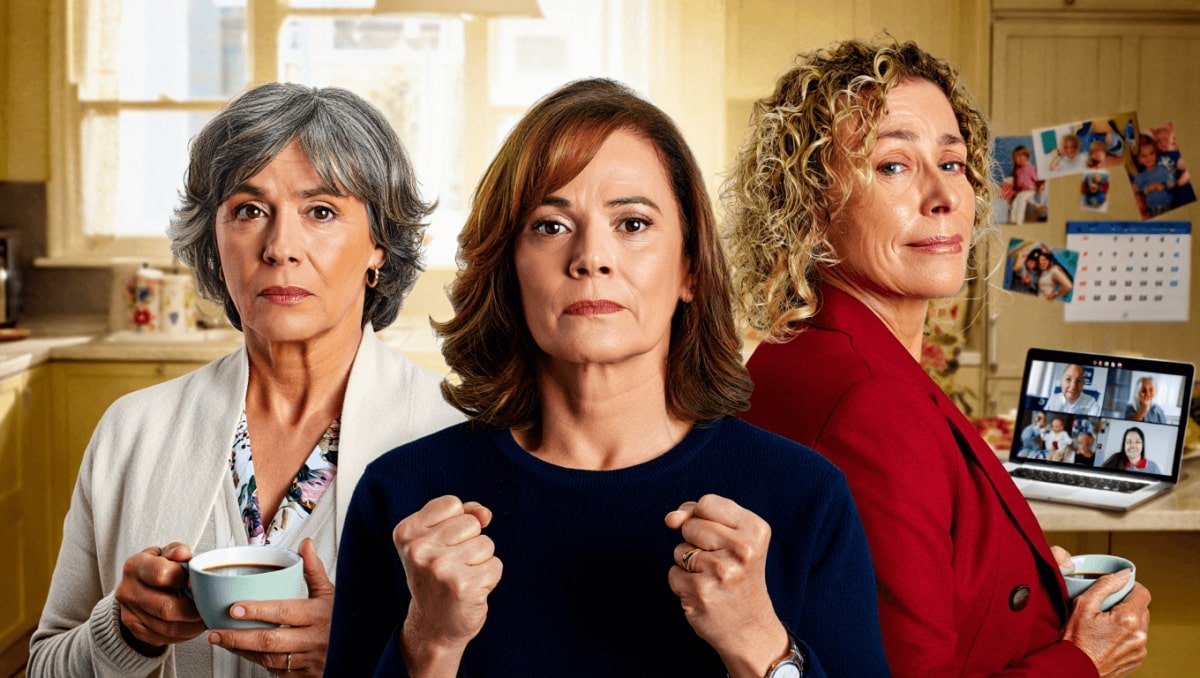
Midlife is rarely written as loudly as it is in Sally Wainwright’s new BritBox drama Riot Women. The series centers on women reclaiming their lives amid caregiving duties, strained families and the ache of being overlooked. Sharp performances and raw themes make it hard to look away, even when the show becomes uneven.
Where the story begins: a small town, a near-tragedy, and a sudden invitation
Riot Women opens in the English moors town of Hebden Bridge. A 59-year-old schoolteacher named Beth faces a breaking point. After placing her aging mother in care and coping with an inconsiderate adult son, she tries to end her life. Her attempt is interrupted by a phone call from an old friend who needs musicians for a local fundraiser.
Nas slams music industry over disrespect: teases new music, vows to address it
1992 vocal performances: 3 jaw-dropping moments that still amaze
The moment pivots the plot from private despair to communal action. Music becomes the catalyst for a group of women to confront long-simmering frustrations. The series was first shown on BBC One in fall 2025 and is streaming on BritBox. It has already been renewed for a second season.
Who the Riot Women are: the band, roles, and personalities
The show builds its momentum by introducing a diverse set of women, each with distinct histories. They come together more by accident than design. Below are the main players and what they bring to the band.
- Beth (Joanna Scanlan) — a weary teacher whose near-suicide sparks the chain of events.
- Jess (Lorraine Ashbourne) — pub owner, grandmother and instigator of the band.
- Holly (Tamsin Greig) — recently retired police officer, searching for a new purpose.
- Yvonne (Amelia Bullmore) — an obstetrician’s nurse with a dry, melancholy streak.
- Nisha (Taj Atwal) and Kam (Chandeep Uppal) — sisters eager to join the fun despite little musical skill.
- Kitty (Rosalie Craig) — a fiery, gifted singer whose arrival cements the group.
The mix of ages, backgrounds and grievances fuels both comic moments and deep emotional exchanges. When the women begin rehearsing, small tensions surface. Music quickly becomes a way to speak truths they have long ignored.
Scenes that linger: performances and emotional peaks
Certain episodes deliver standout sequences. Episode 3 features some of the series’ most affecting work. A workplace scene with Yvonne allows the show to breathe and adds a welcome comic counterpoint. Another sequence presents a quiet, intimate conversation between Beth and Kitty that peels back decades of pain.
Acting anchors these moments. Joanna Scanlan and Rosalie Craig give especially vivid portrayals. The ensemble work often lands with honest specificity. Even in scenes that verge on melodrama, the cast finds a truthful center.
Heavy topics: violence, trauma, and the burden of repetition
Riot Women does not shy away from grim realities. The series depicts gendered violence and raises the specter of sexual abuse. Those depictions are direct and, at times, brutal. Viewers should be prepared for explicit material and repeated references to trauma.
While these elements are vital to the story’s stakes, the sheer frequency of violent moments can feel draining. The relentless intensity sometimes undercuts the more tender scenes. At moments, the show’s balance between hope and horror tilts toward exhaustion.
Writing choices and pacing: where nuance is missing
The script aims to be earnest and urgent. But the writing often leans on broad strokes. Male characters are mostly depicted as hostile or callous. That choice sharpens the women’s struggles, yet it also flattens the cast of men into a single, menacing type.
Other issues include uneven subplot development and scenes that stretch to meet a runtime. Episodes sometimes feel padded to reach the 60-minute mark instead of emerging naturally. A tighter edit might have kept the emotional momentum sharper.
What works and what could improve
- Workable: strong lead performances and authentic small-town atmosphere.
- Workable: music as a connective tissue that allows characters to reveal themselves.
- Needs work: tonal shifts that jar between levity and graphic trauma.
- Needs work: one-dimensional male figures and occasional heavy-handed dialogue.
Why Riot Women still matters: midlife, care labor, and health gaps
The series resonates because it tackles lived realities rarely centered on screen. It asks what happens when decades of care work leave women with little time for themselves. It digs into the indignities of aging, the invisibility of menopausal bodies, and the failures of healthcare systems to address women’s needs.
At its core, Riot Women is about reclamation. Music becomes a vehicle for pleasure, protest and solidarity. The series insists that middle-aged women are not background figures. They are complicated, funny, wounded and resilient. Even with its imperfections, the show surfaces stories that have long been ignored.
How to watch: release schedule and streaming details
The first two episodes of Riot Women are available now on BritBox. New episodes continue to stream weekly on Wednesdays. The show originally aired on BBC One in fall 2025 and has been picked up for a second season.










