
Show summary Hide summary
- Time, place and the stakes: a school reborn in the 32nd century
- Who leads the ship: standout performances and guest stars
- Structure and pacing: episodic choices that help and hurt
- Visual design and sci-fi mechanics: ambition versus clarity
- Teaching moments and moral threads
- Who will enjoy Starfleet Academy?
- Strengths to bank on and areas that need work
- Reasons to keep watching
The new Paramount+ series Star Trek: Starfleet Academy launches into the franchise with equal parts youthful energy and shaky footing. Set centuries after most familiar Trek stories, it opens an institution rebooted after catastrophe. The show mixes campfire-level teen drama with starship-sized sci-fi, and its rookie cast often outshines some uneven plotting.
Time, place and the stakes: a school reborn in the 32nd century
The story unfolds in the 32nd century, near the later arcs of Star Trek: Discovery. The academy is reopening after a century-long closure caused by the galaxy-spanning disaster known as the Burn. Starfleet must rebuild trust and train new officers in a world still healing from that trauma.
Nas slams music industry over disrespect: teases new music, vows to address it
1992 vocal performances: 3 jaw-dropping moments that still amaze
Who leads the ship: standout performances and guest stars
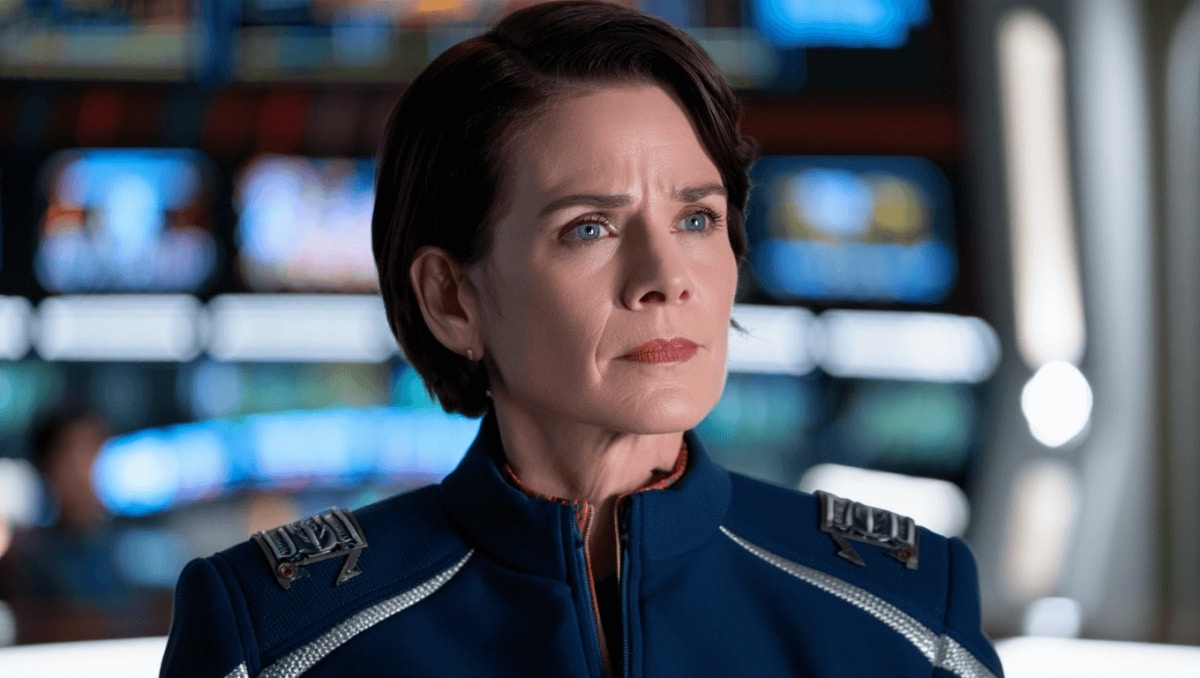
Holly Hunter plays Chancellor Nahla Ake, a compact force of warmth, dryness and moral backbone. She left Starfleet years earlier after a case that cost a family dearly. Now she returns to steer the academy toward a more compassionate future.
- Holly Hunter — grounded and subtly funny as the academy’s head.
- Paul Giamatti — a scene-stealing guest as a flamboyant Klingon-Tellarite pirate.
- Robert Picardo — the cranky holographic Doctor returns with cantankerous charm.
- Gina Yashere — fierce and direct as a cadet master with Klingon heritage.
The cadet cohort: archetypes with heart
The students could read like a list of tropes. Yet the cast makes each one feel individual. There’s a shy Klingon interested in medicine, a bubbly hologram experiencing life anew, a privileged overachiever and a rebellious young man with a criminal past. They argue, flirt and clash in ways that feel familiar—and often fun.
Structure and pacing: episodic choices that help and hurt
Rather than an ensemble that moves forward together, the series tends to spotlight one cadet at a time. That allows for deeper emotional episodes, such as a moving refugee story. But the trade-off is uneven interaction.
- Pro: Focused episodes let the writers dig into backstory.
- Con: Relationships often develop offscreen, reducing emotional payoff.
- Consequence: Some characters feel sidelined between their own chapters.
Visual design and sci-fi mechanics: ambition versus clarity
The show aims for cinematic sci-fi with holograms, alien vistas and action beats. Sometimes the visuals add wonder. Other times, green-screen shadows and dense technobabble blur the momentum.
When dialogue piles on lore or science, the pace stumbles. The series asks viewers to keep up with deep Trek continuity and new jargon at once.
Teaching moments and moral threads
Nahla and her colleagues treat crises as lessons. Pranks become exercises in empathy. Crises become opportunities to learn cultural sensitivity. If many episodes end on a familiar moral, that reflects the show’s coming-of-age core.
- Identity and self-acceptance recur across episodes.
- Leadership is framed as accountability and compassion.
- Cross-cultural understanding is a recurring practical lesson.
Who will enjoy Starfleet Academy?
Existing Trek fans will catch the references and recurring faces. New viewers can join without prior knowledge, but they should tolerate occasional lore dumps. The series is strongest when it leans on character chemistry.
- Watch if you like character-driven sci-fi.
- Skip if heavy jargon and choppy worldbuilding frustrate you.
- Stick around for the performances; the young cast is magnetic.
Strengths to bank on and areas that need work
The production’s greatest asset is its people. The leads and guest stars bring levity and depth. Where the show falters is in balancing spectacle with clarity and in making ensemble bonds feel lived-in.
- Strength: Memorable performances and emotional highs.
- Weakness: Episodic focus that sidelines other characters.
- Room to grow: Clearer worldbuilding and tighter visual effects.
Reasons to keep watching
There is a hopeful thread running through the series. Adults in charge see in the cadets a chance to mend a broken galaxy. The young characters’ bravery, curiosity and kindness suggest the show can evolve into something richer.
For now, Starfleet Academy is a promising voyage with rough edges. It will likely win many viewers with its cast and emotional moments, even as it charts a course toward cleaner storytelling.










