
Show summary Hide summary
- Why Season 2 arrives as an awards-season favorite
- The creative engine behind the ER realism
- Where the characters start this season
- New staff and the ripple effects on the ER
- Cases that expand the show’s social scope
- Performance shifts and what’s evolved on screen
- How the series balances scale with its single-location premise
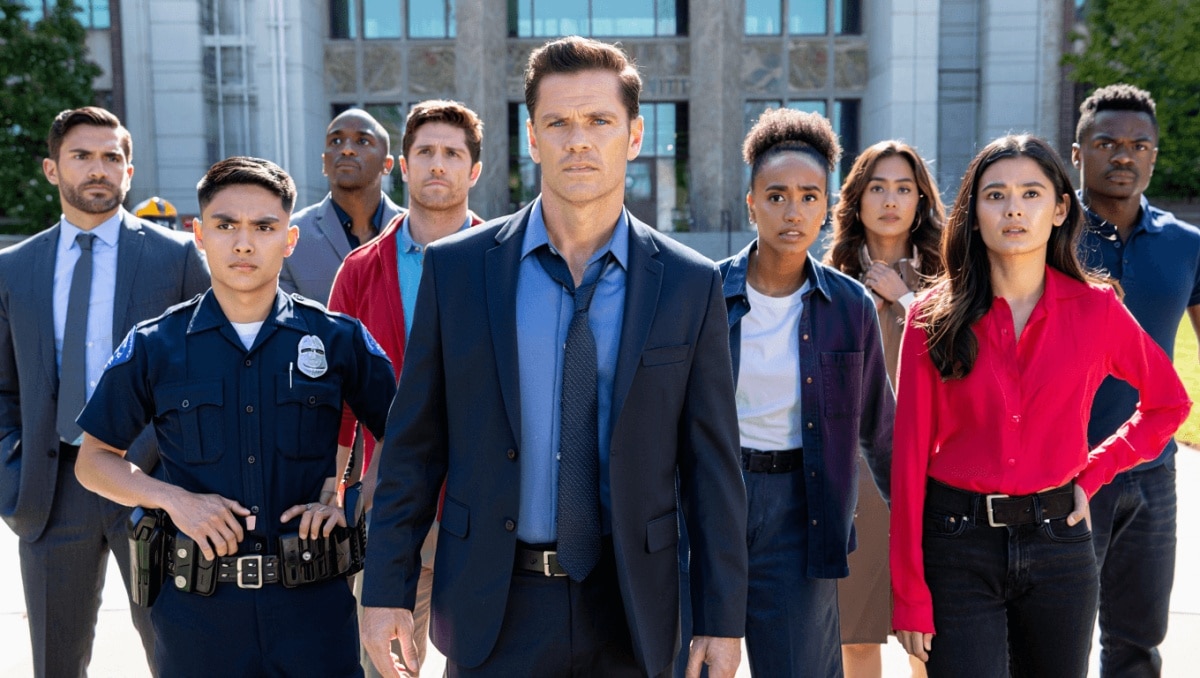
The Pitt returns to screens with the quiet confidence of a proven procedural. Last year’s sleeper hit exploded into awards-season conversation and now arrives for Season 2 with more viewers watching, more expectations, and the same insistence on intense, shift-by-shift storytelling inside a chaotic Pittsburgh emergency department.
Why Season 2 arrives as an awards-season favorite
The series that began modestly on HBO Max now carries a shelf of trophies. It swept major categories at the Emmys, including Outstanding Drama Series, and several acting prizes. The accolades didn’t transform the show’s approach. Instead, they amplified interest in its old-fashioned, weekly rhythm and long-form character work.
Nas slams music industry over disrespect: teases new music, vows to address it
1992 vocal performances: 3 jaw-dropping moments that still amaze
Critics and audiences alike framed the program as a return to classic television craft. Season 2 leans into that identity. It resists binge-style spectacle. Episodes air weekly. The season extends the series’ deliberate run, allowing character arcs to breathe.
The creative engine behind the ER realism
Noah Wyle remains central both on-screen and off. He anchors the cast and serves as an executive producer. R. Scott Gemmill and John Wells continue to guide the series’ tone.
- Storytelling unfolds in near-real time, episode to episode.
- Directorial choices favor intimacy over spectacle.
- Production design recreates an overcrowded hospital with gritty precision.
The show’s restrained aesthetic highlights the actors and the medical dilemmas. It doesn’t lean on glitz to prove its success. Instead, trust in the ensemble carries the drama.
Where the characters start this season
Season 2 picks up months after last year’s crisis. Michael “Robby” Rabinovich, played by Wyle, enters a new chapter. He arrives at the Pittsburgh Trauma Medical Center on the Fourth of July, riding a motorcycle and carrying private troubles.
Robby’s small, risky choices — like skipping a helmet — signal deeper fatigue after last season’s traumatic events. He plans a three-month sabbatical, which sets the emotional stakes for his final shifts.
Other returning staff face their own crossroads:
- Dr. Frank Langdon contends with recovery from addiction.
- Dr. Samira Mohan weighs career options as her residency ends.
- Trinity Santos shows growth from brash intern to confident resident.
New staff and the ripple effects on the ER
Season 2 broadens the cast with fresh trainees and a few challenging hires. Those additions shift dynamics and create friction that feels organic.
- Ogivly and Joy, two new med students, energize the learning environment.
- Dr. Al-Hashimi arrives as a tech-forward replacement, testing Robby’s authority.
- Noelle, the case manager, navigates insurance bureaucracy and patient access.
These characters offer new lenses on standard medical-room drama. Their interactions reveal how an ER adapts to turnover and outside pressures.
Cases that expand the show’s social scope
Medical emergencies remain the engine of each episode, but the series uses them to explore larger issues. Storylines dig into systemic and cultural matters that affect care.
- Immigration and deportation challenges intersect with treatment plans.
- Bias in medicine, including fatphobia, appears in everyday triage.
- Palliative care and end-of-life decisions receive nuanced attention.
- Generative AI, homelessness and access to interpreters are woven into cases.
The Pitt deliberately engages with public debates. It pairs its progressive instincts with human-scale moments. Comic relief emerges naturally and never undercuts the seriousness of the social themes.
The production has also increased its local specificity. References to Pittsburgh—from memorials to neighborhood traditions—help the hospital feel rooted in a real city.
Performance shifts and what’s evolved on screen
Season 2 trusts small changes in delivery to signal growth. Actors soften or harden their choices to reflect months of unseen labor.
Examples of subtle evolution:
- Robby’s patience is thinner; his empathy sharper but more brittle.
- Nurse Dana carries aftereffects of workplace violence and reacts differently.
- Trinity’s bravado gives way to an earned steadiness in crisis.
These adjustments reward viewers who follow closely. The show assumes audience intelligence and repays it with layered performances. That faith in the actors makes the season feel intimate.
How the series balances scale with its single-location premise
Keeping the drama largely anchored in one hospital is both a constraint and a strength. Season 2 shows how a single setting can still accommodate growth.
- New characters expand stakes without changing the core environment.
- Plotlines branch outward through social context rather than new locations.
- Weekly cadence allows moments to land and patient stories to resonate.
The Pitt proves a hospital can be a small world with vast consequences. The result is a show that feels both procedural and psychologically rich, episode by episode.










