
Show summary Hide summary
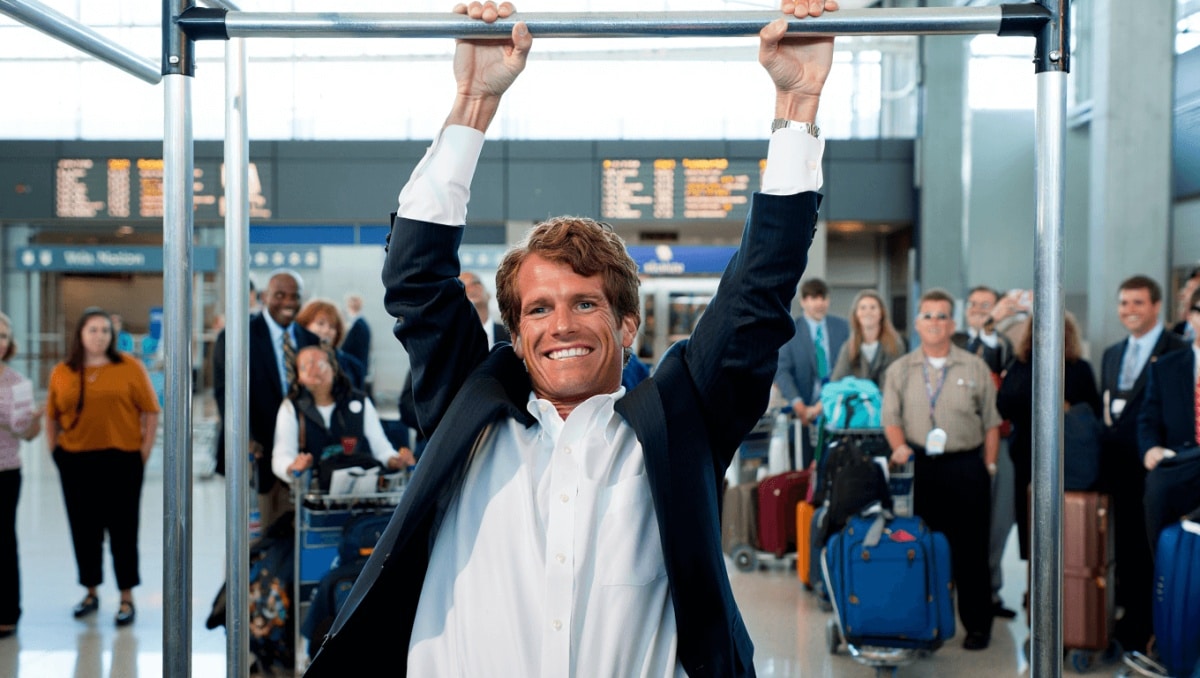
A short video of Robert F. Kennedy Jr. doing pull-ups at Reagan National went viral this month. The scene felt more like a staged campaign moment than an airport announcement. Kennedy, flanked by signage and travelers wheeling luggage, used physical fitness to underscore a message about public health and travel amenities.
When airport PR meets real travel frustrations
The clip was shot during a press event where Kennedy and Transportation Secretary Sean Duffy rolled out a plan to spend $1 billion on making airports feel healthier. The proposal includes gym equipment, more play areas for children, and expanded healthy-food options. On paper, these ideas sound upbeat and modern.
Nas slams music industry over disrespect: teases new music, vows to address it
1992 vocal performances: 3 jaw-dropping moments that still amaze
But viewers reacted with bemusement. Airports are practical, transitional places. Travelers want one thing above all: ease. Long security lines, unexpected delays, and cramped gates erode patience fast. No number of pull-ups will change that reality.
What the wellness pitch actually looked like
At the podium, the optics were obvious: a tan, tie-clad official demonstrating vigor while a departures board ticked behind him. For critics, the move felt like a distraction from deeper problems.
- Visibility over substance: The stunts draw attention quickly. They also risk masking systemic issues.
- Wellness as theatre: Gyms and salad bars make for shareable moments. They don’t solve delays or staffing shortages.
- Mixed incentives: Travelers often prefer convenience and comfort, even if that means indulgent food or lounge access.
What travelers say they really want
Conversations in terminal queues make clear what’s at the top of customers’ lists. Most complaints aren’t about options for exercise.
- Bigger, less cramped seats.
- Fewer and shorter delays.
- Fair compensation when flights are disrupted.
- Reasonable fares without surprise fees.
- Smoother security and boarding processes.
People will pay to avoid pain. That’s why fast-track security programs and airport lounges stay popular. Those purchases are about saving time or escaping an unpleasant waiting area.
Policy decisions that affect airport experience
Several structural issues are driving traveler dissatisfaction. These problems are bureaucratic, economic, and operational.
- Staff shortages: Fewer FAA air-traffic controllers create delays and safety concerns.
- Regulatory rollbacks: The current administration ended a Biden-era rule that encouraged airlines to compensate passengers for long delays.
- Cost pressures: Airfares have crept up, and carriers layer on fees for seats, bags, and priority boarding.
- Bad seat economics: Airlines shrink seat size to squeeze profits, worsening comfort on flights.
Why airport gyms won’t fix the root problems
Transforming a concourse into a wellness zone assumes travelers have time and inclination to use it. Most do not. Airports are liminal spaces where rules relax and routines break.
Some travelers might appreciate healthier options or a quiet corner to stretch during a long delay. Yet these are stopgap comforts. Fixing the core experience—timely flights, better seating, fair compensation—has far greater value for most passengers.
How optics can obscure accountability
PR-friendly moments help officials control the narrative. They also distract from unpopular policy choices. While cameras focus on pull-ups and smoothie bars, larger discussions about staffing, regulation, and industry incentives go quiet.
Critics argue that public attention diverted by glossy initiatives can reduce pressure to address harder fixes. Voters experience the friction of travel every day. They’d prefer meaningful operational improvements over staged demonstrations.
Small comforts vs. systemic change
There is room for both incremental improvements and structural reform. Airports could add calmer waiting areas, better food, and family spaces. Those changes would help some travelers, especially during long delays.
But until policymakers confront shortages, compensation rules, and airline business models, the daily grind of air travel will remain unchanged. Passengers say they want less hassle, not more photo opportunities.










