
Show summary Hide summary
- Why a chief of staff’s off-the-record comments became front-page drama
- How the White House started to look like an influencer ecosystem
- Reality-TV grammar applied to politics
- Consumption habits: why viewers treat politicians like stars
- Examples that show the crossover between spectacle and statecraft
- Is this new, or a continuation of older political spectacle?
- Why media control matters more than ever
- How cultural shifts reshape political expectations
- What the mixed signals mean for governance and trust
- Strategies for readers navigating political infotainment
- What to watch next as politics and pop culture converge
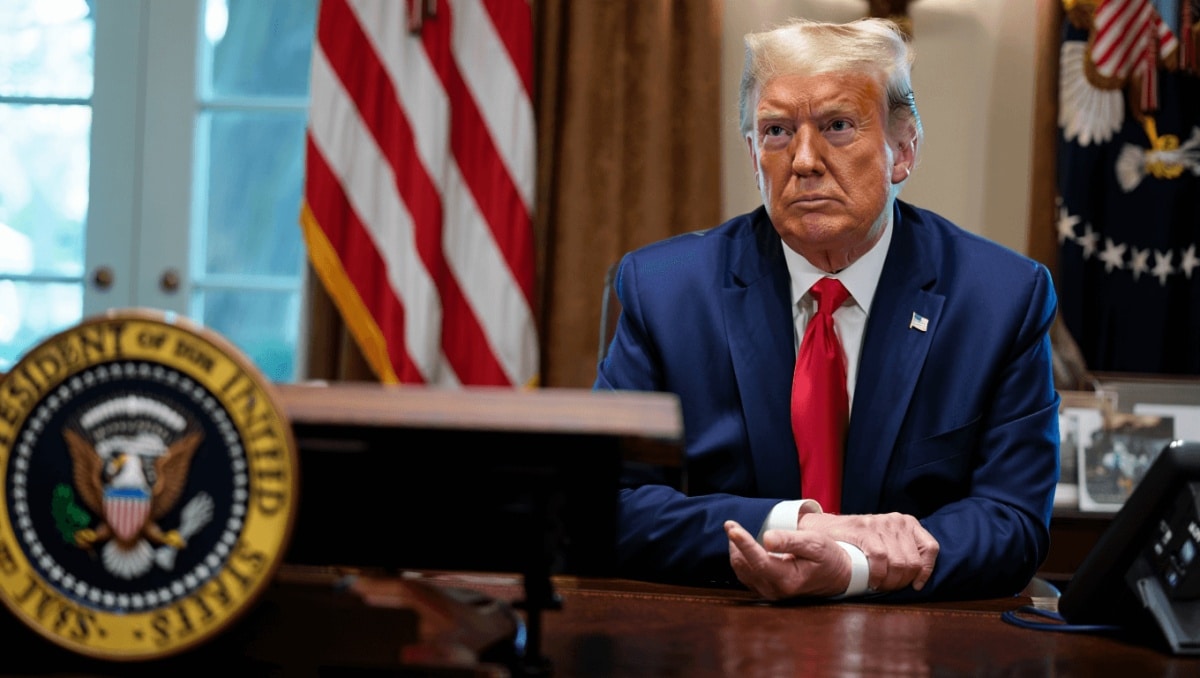
When a Vanity Fair profile of White House chief of staff Susie Wiles spilled candid observations about President Trump and his inner circle, the piece blew up online. The reactions were immediate: disbelief, defense, and renewed debate about whether the White House is running like a governing body or a reality TV production. That controversy is only the latest example of how celebrity culture and political power now blur into one another.
Why a chief of staff’s off-the-record comments became front-page drama
Wiles’s interview turned routine staff talk into a national story. It did that by mixing personality detail with insider critique. That mix made readers feel they were watching a behind-the-scenes episode.
Nas slams music industry over disrespect: teases new music, vows to address it
1992 vocal performances: 3 jaw-dropping moments that still amaze
The fallout exposed two things at once:
- How quickly personal assessments can become political crises.
- How audiences hunger for human drama from political leaders.
In this moment, the White House functioned less like a policy shop and more like a cast of characters.
How the White House started to look like an influencer ecosystem
Over the past term, officials leaned into media strategies that mimic influencers. Short videos, staged moments, and confessional-style interviews have proliferated.
- Senior officials produce promotional clips that resemble social-media content.
- Interviews emphasize personality and loyalty more than policy detail.
- Staffers appear to prioritize audience engagement and image control.
These moves break old expectations about distance between leaders and the public. The result: a presidency shaped by attention mechanics as much as governance.
Reality-TV grammar applied to politics
Reality television thrives on archetypes. Producers cast people who fit roles: the hero, the villain, the comic relief.
Political actors now fit those same boxes. That makes messaging simple and emotionally direct.
Why archetypes work
- They simplify complex issues into digestible narratives.
- They invite strong loyalties and defections.
- They create predictable storylines for followers to track.
Simple stories are memorable, and memorable stories travel fast online.
Consumption habits: why viewers treat politicians like stars
Audiences have grown used to parasocial relationships. Fans feel intimate connection with TV stars and influencers. The same psychology now applies to political figures.
This matters because people respond emotionally. They may accept inaccuracies if the narrative satisfies them.
- Followers often evaluate leaders by feeling, not fact.
- Echo chambers amplify confirmation and punish nuance.
- Social platforms let supporters interact directly with public figures.
That closeness encourages absolutist loyalty. Some voters will defend a favorite figure regardless of evidence. Others will treat opponents as existential threats.
Examples that show the crossover between spectacle and statecraft
Several recent actions read more like content strategies than traditional governance.
- High-profile staffers staging interviews that highlight personal toughness.
- Department accounts engaging in culture-war skirmishes on social platforms.
- Media lists and preferred outlets that mimic celebrity PR playbooks.
These practices shift the energy of politics toward branding and drama.
Is this new, or a continuation of older political spectacle?
Spectacle in politics is not brand-new. Past leaders used entertainment venues to broaden appeal.
But three factors make the present era distinct:
- Social media fragments audiences into tailored echo chambers.
- Reality-TV aesthetics prioritize personality over expertise.
- Modern celebrity culture normalizes constant self-promotion.
Together, those forces create a feedback loop. Political figures stage moments that drive engagement. Engagement rewards similar stunts.
Why media control matters more than ever
Public figures can now bypass traditional outlets. They publish directly to followers and curate who covers them favorably.
Yet they still court mainstream press when it helps the narrative. The strategy is twofold:
- Use direct channels to energize the base.
- Use favorable profiles to legitimize the brand.
That dual approach looks a lot like what reality stars do when they juggle earned media and personal platforms.
How cultural shifts reshape political expectations
Voters today expect more access and more spectacle. They also expect an emotional storyline they can follow.
That changes the criteria for leadership. Charisma, relatability, and narrative consistency can outweigh mastery of policy.
- Accessibility breeds intimacy, and intimacy breeds loyalty.
- Drama fuels attention, which can override accountability.
The political landscape now rewards those who can perform well on multiple screens.
What the mixed signals mean for governance and trust
When a government communicates like an influencer network, trust and competence can suffer.
Audiences may be entertained but unsure about who is actually running the machinery of state.
The longer media spectacle substitutes for clear institutional communication, the more questions arise about capacity and oversight.
Strategies for readers navigating political infotainment
Audiences can take steps to separate performance from policy.
- Check multiple sources for context.
- Evaluate policy outcomes, not just personalities.
- Recognize emotional hooks in messaging.
Understanding the mechanics of spectacle helps citizens spot when drama is masking substance.
What to watch next as politics and pop culture converge
Expect more hybrid content from political figures. Short-form clips, staged interviews, and curated media moments will continue.
And expect audiences to keep responding with devotion or outrage. That dynamic will shape campaigns and the stories the media tell.
Susie Wiles’s Vanity Fair profile is a flashpoint. It signals a broader trend: governance is increasingly performed as content.










