
Show summary Hide summary
- How Purple Rain Keeps Finding New Audiences
- The Sound That Broke Expectations
- Prince’s 1986 Interview: Pushing Back Against Pop Formulas
- Why Prince Looked to the 1960s for Inspiration
- Money, Trends, and the Music Industry’s Pull
- Signs of Hope and a Future Sound
- Legacy: From 1984 to Today’s Playlists
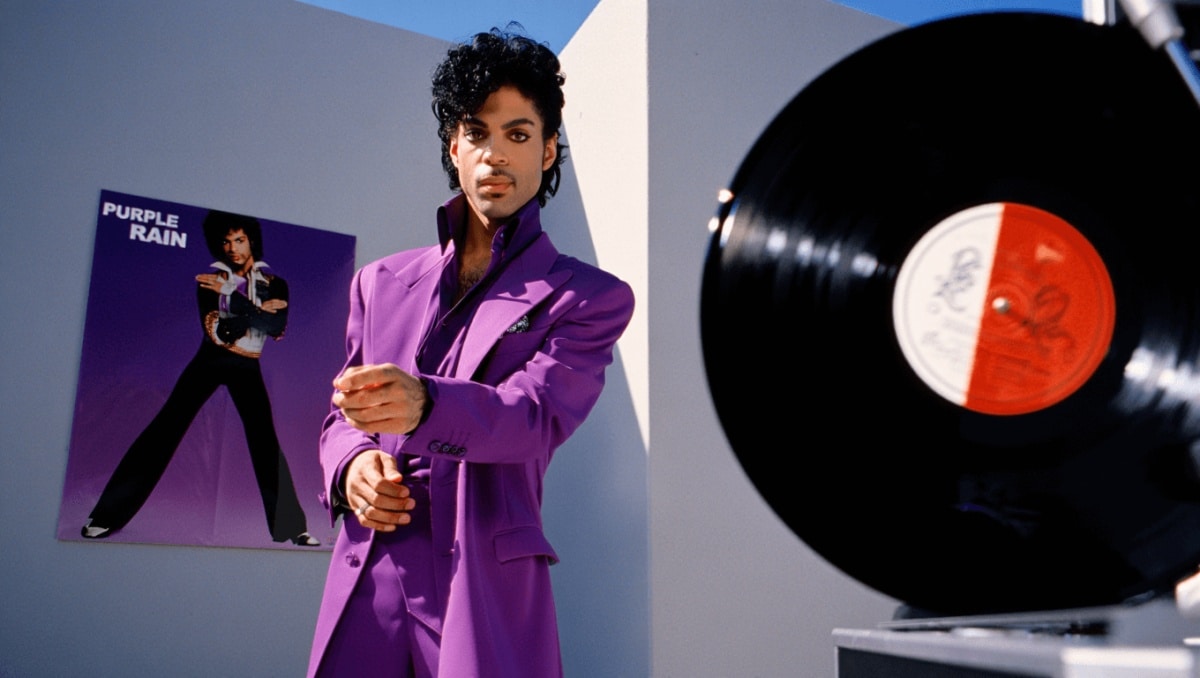
Purple Rain has reclaimed the spotlight years after its release, and a recent placement in a hit streaming show has reintroduced Prince’s music to a new audience. The album’s title track and singles still feel immediate, charged, and oddly futuristic. That timeless energy is part composition, part performance, and part cultural momentum.
How Purple Rain Keeps Finding New Audiences
Purple Rain’s revival shows how music can skip generations. A single scene on a popular series can turn an album track into a viral moment.
Nas slams music industry over disrespect: teases new music, vows to address it
1992 vocal performances: 3 jaw-dropping moments that still amaze
- Streaming exposure gives classic songs fresh reach.
- Iconic hooks and production make the album easy to rediscover.
- Prince’s blend of rock, pop, and soul keeps songs relevant.
The record’s textures and melodies still cut through modern playlists. That blend helps tracks pop up on algorithmic radio and editorial lists alike.
The Sound That Broke Expectations
The opening of “Let’s Go Crazy” still startles. That buzzing synth and the sudden thrust into the groove felt novel in the 1980s.
Prince reshaped expectations about what radio-ready pop could sound like. The arrangements on Purple Rain often went against formula.
- Unexpected song structures.
- Bold production choices and raw guitar moments.
- Lyrics that mixed romance, drama, and spiritual hints.
These choices helped the record avoid sounding like a calculated hit machine. Instead, it presented songs that felt handcrafted.
Prince’s 1986 Interview: Pushing Back Against Pop Formulas
What he told Ebony
In a mid-1980s conversation with a major Black publication, Prince voiced frustration with how music had become a formula for quick profit.
He argued that many artists chased the same trends to secure radio play and big paydays. For him, that approach drained art of risk and surprise.
Prince believed the creative bar could be higher and urged artists not to let commercial pressure dictate their choices.
Why Prince Looked to the 1960s for Inspiration
He often contrasted the mid-80s climate with the vibrancy of the 1960s. In his view, the earlier era encouraged daring experiments and individuality.
Prince pointed to acts who embraced distinct voices rather than follow-ups on a single template.
- Artists he admired showcased unique blends of style and sound.
- They took risks with rhythm, instrumentation, and image.
- That variety created a richer musical landscape on the radio.
By invoking those names and moments, Prince made a case for creative risk in mainstream music.
Money, Trends, and the Music Industry’s Pull
He warned that when music becomes a business first, art often follows the money. Success encouraged mimicry across genres and audiences.
Prince described a cycle where trends create demand that then shapes production choices. For him, that dynamic stifled experimentation.
He wanted artists to set the tone, not follow it. That stance informed his songwriting and public comments through the decade.
Signs of Hope and a Future Sound
Despite his critiques, Prince didn’t seem fatalistic. He spoke of a coming shift in which music would become more daring again.
He used colorful language to suggest the next wave would be strict in craft, wild in spirit, and aesthetically striking.
That optimism framed his own work as both a challenge and an invitation to peers and listeners.
Legacy: From 1984 to Today’s Playlists
Decades later, Purple Rain tracks still surface in new cultural moments. They re-emerge when storytellers want an emotional hit or a particular era’s mood.
- Synch placements in TV and film introduce songs to young listeners.
- Curators and playlists revive album cuts beyond the singles.
- Artists cite Prince’s blend of genres when experimenting today.
The album’s ability to sound both of its time and ahead of it is central to why it continues to matter on the charts and in cultural conversations.










