
Show summary Hide summary
- Which artists have pulled out and what they said
- Artists’ motivations and cultural objections
- Leadership shake-up and political fallout
- Ticket demand, ratings and financial signals
- Responses, legal threats and counterclaims
- Voices who remain and viewpoints from the field
- Legal limits on renaming and congressional constraints
- What to watch next
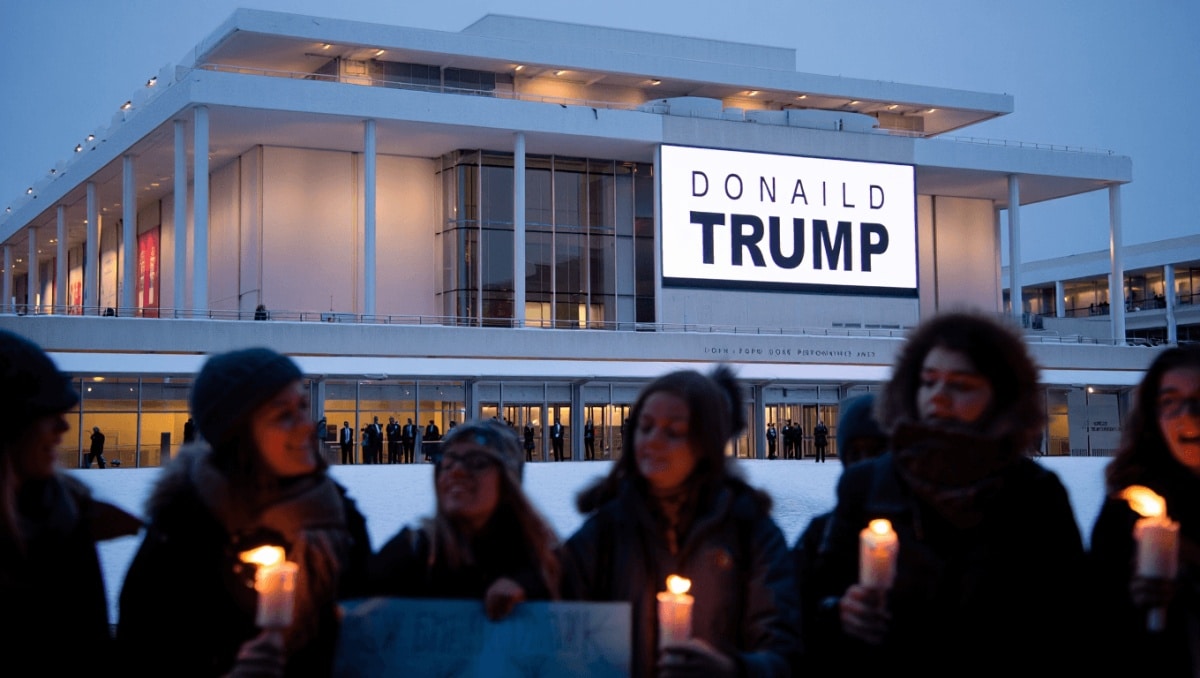
The Kennedy Center has entered the holiday season under a cloud of controversy as several performers cancel shows after the venue’s exterior began displaying President Donald Trump’s name. What started as a handful of last-minute pullouts has grown into a string of high-profile withdrawals, stirring debate about art, politics and the future of one of the nation’s flagship cultural institutions.
Which artists have pulled out and what they said
In recent days, multiple acts chose to remove themselves from scheduled appearances. Each announcement carried a similar tone: discomfort with the institution’s new public identity and concern for audience experience.
Nas slams music industry over disrespect: teases new music, vows to address it
1992 vocal performances: 3 jaw-dropping moments that still amaze
- The Cookers, a long-running jazz supergroup, canceled their “A Jazz New Year’s Eve” concert. They said the decision came quickly and expressed sympathy for disappointed ticket-holders.
- Doug Varone and Dancers announced on Instagram they would not perform in April, saying they could not ask audiences to enter what they described as a changed institution.
- Chuck Redd canceled a Christmas Eve engagement last week, citing similar objections.
Artists’ motivations and cultural objections
Beyond scheduling, performers signaled deeper reservations. Some framed their choices as moral stands tied to race, representation and the leadership now steering the center.
One musician publicly declared he would not play in a venue that, in his view, symbolizes “overt racism” and the erosion of African American musical traditions. Other musicians emphasized a desire for spaces that celebrate diversity rather than inflame division.
Leadership shake-up and political fallout
The cancellations follow a dramatic change at the top of the Kennedy Center. The president of the United States moved to replace the board and install new leadership, prompting strong reactions from the arts community.
Richard Grenell, tapped by the president to lead the Kennedy Center after the prior leadership was removed, blamed the earlier board for bookings and framed the cancellations as politically motivated. He said the departures proved those artists were unwilling to perform for broader audiences.
Ticket demand, ratings and financial signals
The controversy is unfolding against a backdrop of softer public engagement.
- Ticket sales for some events at the center are reportedly down.
- Viewership for the Dec. 23 broadcast of the Kennedy Center Honors fell roughly one-third compared to last year.
Those figures add to the pressure on the venue as it navigates a turbulent public relations landscape.
Responses, legal threats and counterclaims
Officials have not said whether the center will sue artists who cancel. But one senior figure signaled an intent to seek damages after a prior musician withdrew, calling that act a “political stunt” and mentioning a $1 million claim.
The situation raises questions about contracts, force majeure clauses and whether political objections open the door to litigation. No formal filings have been reported.
Voices who remain and viewpoints from the field
Not every artist is walking away. Some performers say they will still appear, hoping music can bridge political divides rather than widen them.
Bluegrass banjoist Randy Barrett said he understands colleagues who canceled, but he believes live art can help a polarized nation heal. Others echoed that sentiment, arguing audiences need access to culture even amid controversy.
Legal limits on renaming and congressional constraints
The building’s name is tied to federal law. Legislation passed after President John F. Kennedy’s assassination designates the center as a living memorial to him.
Scholars note any permanent name change or exterior inscription naming another person would likely require congressional action. The governing statute explicitly restricts the trustees from rebranding the center as a memorial to anyone else.
What to watch next
The story is evolving. More artists could alter plans. Officials may pursue legal remedies. And lawmakers might weigh in if calls grow to restore or protect the center’s historical designation.
For now, the Kennedy Center faces an uncertain calendar and a cultural debate that is far from over.










