
Show summary Hide summary
- How Netflix staged the finale and its unusual shape
- Big emotional beats that worked — and the ones that didn’t
- Eleven’s “sacrifice” and the problem of reversals
- Vecna, the monster design, and missed imagination
- Visual effects: hits and misses
- Character futures left intentionally vague
- Time jumps, aging and continuity headaches
- What still felt true: casting and performances
- Scenes critics singled out — both praise and eye-rolls
- Questions about agency and honoring choices
- How nostalgia shaped the narrative
- Legacy, spin-offs and the future of the franchise
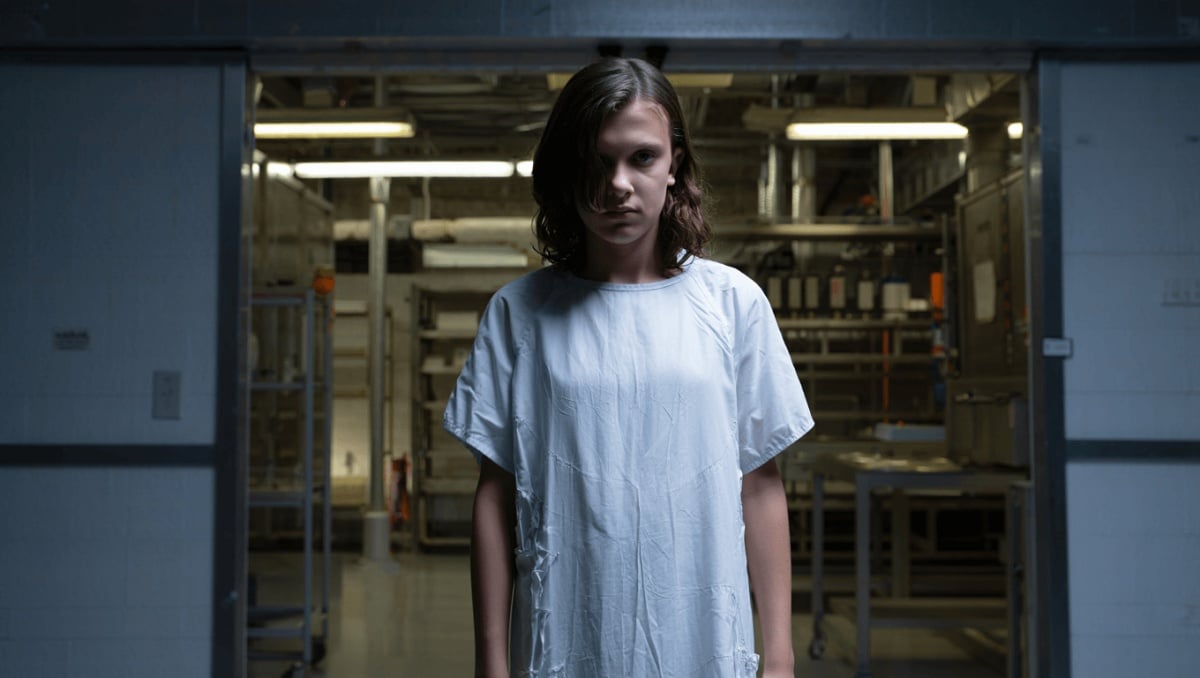
The long-awaited end of Stranger Things arrived as a sprawling, 128-minute finale that alternated between loud spectacle and quiet epilogue. Fans got a lavish effects-driven middle and a low-key 45-minute denouement set 18 months later. If you haven’t watched the last episode, be warned: there are spoilers ahead.
How Netflix staged the finale and its unusual shape
The closing installment aired on New Year’s Eve 2025 and plays out largely in May 1989. Rather than one tidy hour, the producers delivered a three-part structure: an effects-heavy centerpiece bookended by quieter scenes. The final act devolves into a 45-minute epilogue with almost no CGI, revisiting the core friendships and ending with a small, domestic moment.
Nas slams music industry over disrespect: teases new music, vows to address it
1992 vocal performances: 3 jaw-dropping moments that still amaze
The format created two tones at once: blockbuster set pieces and a reflective coda. That contrast pleased some viewers and left others feeling worn out.
Big emotional beats that worked — and the ones that didn’t
- Effective moments: Several intimate scenes landed emotionally. El asking Hopper to trust her; her farewell to Mike; and the symbolic passing of the basement to the new generation resonated.
- Less convincing choices: The finale leaned heavily on montages, callbacks and lectures about “choices.” That piling-on reduced the impact of many intended emotional peaks.
- Spectacle over soul: The episode often felt like it was serving up spectacle rather than building lasting emotional meaning.
Eleven’s “sacrifice” and the problem of reversals
The show staged what appeared to be a heroic sacrifice, then undercut its finality. Close-ups and repeated reaction shots tried to amplify the moment, but the pay-off felt diluted when the narrative reversed course.
That reversal raised questions about narrative stakes. If dramatic choices can be undone for convenience, their emotional value diminishes. The finale oscillated between honoring character decisions and rewiring them to preserve fan-friendly outcomes.
Vecna, the monster design, and missed imagination
After seasons of slowly escalating weirdness, the last confrontation relied on familiar beats. The big antagonist emerges as another iteration of earlier foes. Many viewers felt the ultimate monster choice was underwhelming.
Criticisms focused on two failings: derivative homages that sometimes became mimicry, and set pieces that replayed earlier visuals rather than inventing new ones. The so-called Abyss looked like prior digital wastelands, and the “giant monster” reveal left a number of critics unsatisfied.
Visual effects: hits and misses
- Some sequences boasted impressive creature work and ambitious large-scale visuals.
- Other moments landed as awkward or overcooked CGI, which diluted tension instead of heightening it.
- The finale’s visual tone swung from well-crafted practical moments to heavy-handed digital excess.
Character futures left intentionally vague
Once the kids cross into adulthood, the series becomes coy about their destinies. The episode offers glimpses — hints of college, moves to bigger cities, career paths — but rarely commits to firm outcomes.
That choice felt inconsistent, since older characters received explicit end points. The ambiguity around the younger cast’s futures suggested either a deliberate creative choice or a way to keep doors open for potential returns.
Time jumps, aging and continuity headaches
The show’s timeline grew increasingly elastic. Multi-season leaps and production pauses left some ages and intervals fuzzy. Viewers were often left guessing how much time had actually passed.
That looseness harmed immersion. The series built early strengths on small-town stakes and grounded drama. As the timeline stretched, some of that intimacy slipped away.
What still felt true: casting and performances
- Early seasons thrived on the fresh chemistry of a young ensemble.
- By the finale, certain performers stood out as clear long-term talents.
- Standouts included actors whose careers seem likely to continue, while others appeared ready to pivot to new pursuits.
Scenes critics singled out — both praise and eye-rolls
Reviewers pointed to specific moments that either worked emotionally or felt perfunctory.
- High points: small, human scenes that recalled the show’s origins.
- Low points: repeated flashbacks, montages of the dead used as motivation, and moments that felt engineered rather than earned.
Questions about agency and honoring choices
One recurring debate centered on whether the finale truly respected characters’ choices. If a sacrifice or moral decision can be rewritten after the fact, what does that say about autonomy within the story?
The episode often asked characters to value agency, then muddied the consequences for the sake of neat reunions or hopeful images.
How nostalgia shaped the narrative
The series began as a tight homage to 1980s pop culture. Over time, that nostalgia grew into the show’s scaffolding.
By the end, references and callbacks had multiplied. Some viewers loved the loving touches. Others felt the homages stopped being creative and instead became the script’s primary engine.
Legacy, spin-offs and the future of the franchise
After five seasons, the show leaves behind fiercely devoted fans and plenty of critics. Plans are already in motion to expand the brand with both animated and live-action offshoots.
The real legacy may not be a single story beat but a larger question: will the franchise evolve into meaningful new work, or will it keep circling the same well of ideas until the well runs dry?










