
Show summary Hide summary
- Where the film fits in today’s celebrity-doc boom
- Key revelations and how they’re framed
- Chase on camera: provocation and restraint
- Voices included — and those missing
- Reporting gaps and missed follow-through
- The tone: empathy without full exoneration
- Documentary craft: choices that shape understanding
- Conversations the film enables but does not resolve
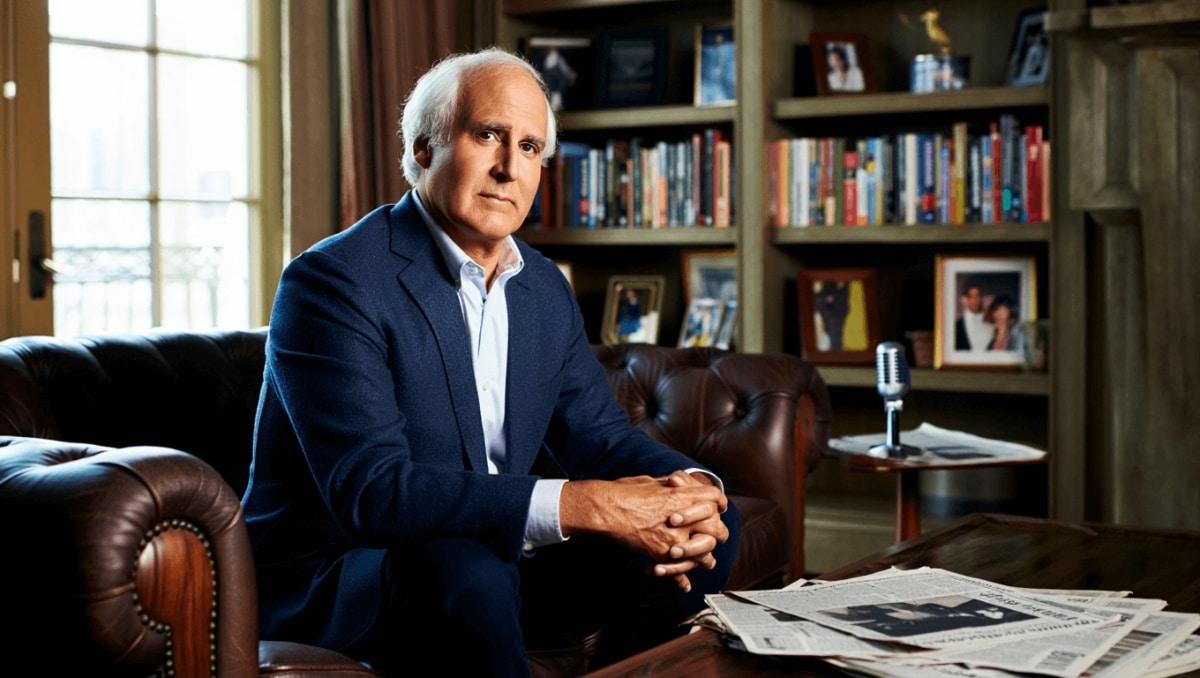
Marina Zenovich’s new film peels back decades of fame and friction to examine Chevy Chase’s rise, stumbles and public reputation. Rather than a hard-hitting exposé, the documentary mixes candid scenes with familiar stories, asking whether the personal revelations it surfaces change how we view a complicated comic figure.
Where the film fits in today’s celebrity-doc boom
In recent years, many documentaries have traded depth for headlines. They aim to spark viral lists and clickbait takeaways. Zenovich’s project lands among these, but it leans more toward portraiture than tabloid drama.
Nas slams music industry over disrespect: teases new music, vows to address it
1992 vocal performances: 3 jaw-dropping moments that still amaze
That choice shapes everything you’ll see in I’m Chevy Chase and You’re Not, which premieres on CNN on New Year’s Day and runs about 97 minutes. The film prefers human moments to prosecutorial zeal. That makes it gentler than some exposés, but also less likely to reveal radical new truths.
Key revelations and how they’re framed
The movie surfaces several facts that have already circulated in press accounts. It aligns them in a sympathetic arc rather than using them to indict. Among the personal disclosures the film highlights:
- Chevy’s near-death episode and days in a coma after heart failure.
- The sting of being sidelined during a major SNL anniversary event.
- Accounts of childhood abuse and later battles with depression.
- Memory gaps that Chase attributes to his hospitalization.
Zenovich often positions these elements as context for his difficult behavior. The effect is to make the audience consider explanation over simple condemnation. The film repeatedly suggests that Chase is “understandable” even when he is not admirable.
Chase on camera: provocation and restraint
Chevy Chase appears on-screen throughout, but he rarely offers extended confessions. Instead, he oscillates between sharp retorts and performative asides. At times he plays the role of provocateur, deflecting serious lines of inquiry with sarcasm.
Those offhand moments are revealing in a different way. They show how an entertainer’s instincts can be used to avoid vulnerability. Yet Zenovich also captures quieter, domestic scenes. Shots of Chase in his Bedford home and at fan Q&A events present a warmer, more mischievous side.
When performance replaces explanation
Rather than sitting for a full reckoning, Chase often stages responses. On-camera skits, jokes and evasions are woven into the film. These bits complicate the documentary’s attempt to extract truth.
Voices included — and those missing
The film assembles a roster of familiar names to map Chase’s public life. Some of the contributors:
- Lorne Michaels, who shaped SNL and worked with Chase early on.
- Dan Aykroyd and Paul Shaffer, reflecting on sketch-comedy history.
- Goldie Hawn and Beverly D’Angelo, speaking to his Hollywood years.
- Director Jay Chandrasekhar, on the set dynamics of Community.
- Members of Chase’s family and college friends, who describe his private side.
But the film’s absences are as notable as its inclusions. Key voices linked to specific incidents decline or are not present on camera. The lack of certain first-person accounts leaves some episodes reconstructed rather than directly examined.
Reporting gaps and missed follow-through
Zenovich raises serious topics, then sometimes stops short of connecting the dots. For example, a notable incident involving a guest’s hurtful on-air exchange gets referenced but not fully documented by those involved. That omission leaves viewers relying on secondhand accounts and narration.
Similarly, the documentary does not probe industry complicity in depth. Many executives and decision-makers who repeatedly re-employed or protected problematic performers do not undergo sustained scrutiny. The film asks questions about tolerance for bad behavior, but it rarely forces hard answers.
What the film avoids interrogating
- Why powerful figures repeatedly enable controversial talent.
- How workplace cultures tolerated abusive conduct for decades.
- Whether rehabilitation or accountability has meaning in such cases.
The tone: empathy without full exoneration
Zenovich frames Chase as a man who can infuriate and charm in equal measure. The documentary does not claim he is redeemed. Instead, it presents a portrait that asks audiences to hold two ideas at once: he hurt people, and he’s been hurt.
That ambivalence is the film’s central engine. It invites viewers to weigh cruelty alongside private sorrow, fame alongside decline. Whether that balance satisfies your appetite for accountability depends on what you expect from a biographical film.
Documentary craft: choices that shape understanding
Stylistically, the film favors conventional talking-head segments and archival clips. Zenovich’s voice appears throughout as a guiding presence. The director’s interviews are persistent, but not always confrontational.
Because much of the fresh headline material is recontextualized to foster sympathy, the documentary functions partly as a reputation-management narrative. It opens space for uncomfortable details, then cushions them with personal backstory.
Conversations the film enables but does not resolve
Viewers may leave wanting more debate about systemic responsibility. The movie hints at larger industry patterns but stops short of a thorough institutional critique. It prompts several unresolved questions:
- How do we reconcile creative brilliance with harmful behavior?
- What obligations do employers owe to colleagues who suffer from a toxic star?
- Can memory loss or illness absolve past misconduct, or only complicate moral judgment?
These unresolved issues echo through the film’s title and tone, suggesting complexity rather than delivering tidy conclusions. The result is a portrait that favors human texture over prosecutorial clarity, and that will likely spark debate about how America remembers its comic stars.










