
Show summary Hide summary
- Political leaders using Tolkien the wrong way
- How these comparisons collapse under scrutiny
- Examples of symbolism co-opted by tech and politics
- Why the original themes contradict authoritarian impulses
- What this means for public discourse and policy
- How cultural literacy changes the stakes
- Signs to watch for in future appropriations
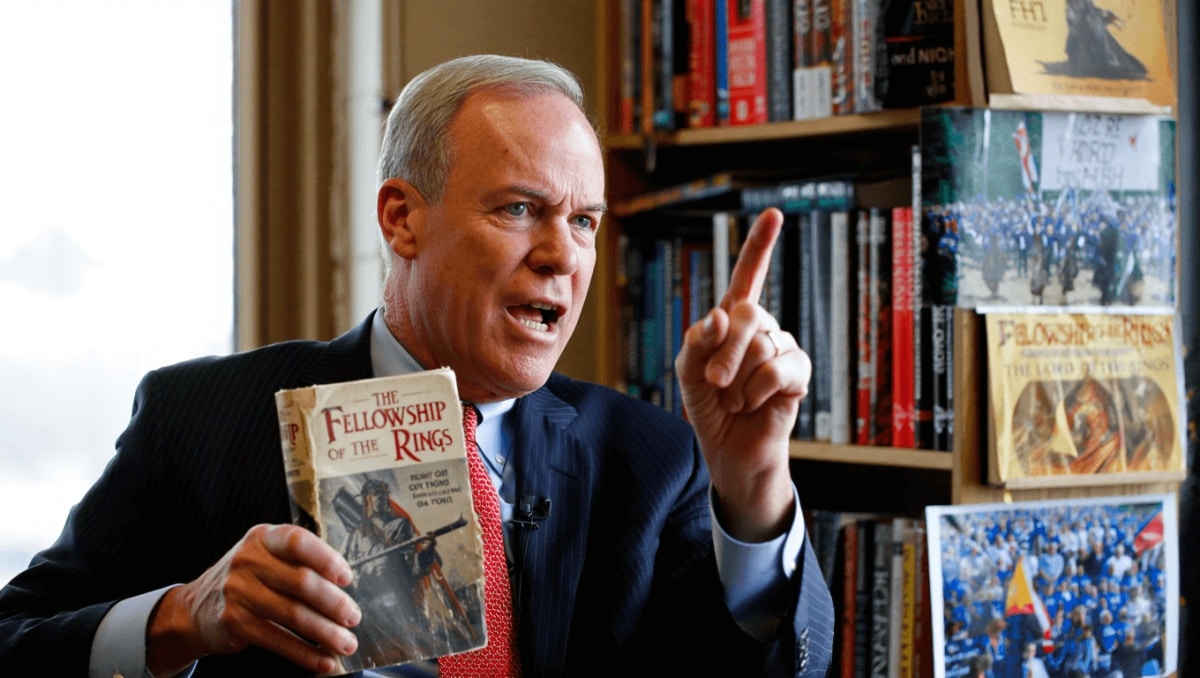
When powerful people borrow a beloved fantasy to justify real-world politics, the result can be strange. Recent episodes show influential figures invoking The Lord of the Rings while missing its basic moral logic. The mismatch matters because these leaders shape policy and public opinion.
Political leaders using Tolkien the wrong way
High-profile personalities have repeatedly turned to J.R.R. Tolkien’s work as a cultural shorthand. But they often twist the story to back hard-line politics.
Nas slams music industry over disrespect: teases new music, vows to address it
1992 vocal performances: 3 jaw-dropping moments that still amaze
- Elon Musk suggested that the peaceful Shire depends on “the hard men of Gondor.” He linked that reasoning to supporting far-right activist Tommy Robinson and said England needs similar protectors. Robinson is currently on trial and has said Musk is covering his legal fees.
- The Department of Homeland Security ran an ICE recruitment image featuring a screengrab of Merry from Peter Jackson’s films. The text over the picture and a link to join.ice.gov implied a Hobbits-vs.-invaders narrative.
- Other conservatives publicly celebrate Tolkien while adopting language and symbols from the books to justify surveillance, power grabs, or exclusionary policies.
How these comparisons collapse under scrutiny
On the surface, the analogy looks neat: small, innocent communities threatened by outside forces are rescued by armed defenders. But the books tell a different story.
In Tolkien’s narrative, the hobbits are not passive victims waiting for armed guardians. Their unambitious nature allows them to resist the lure of absolute power. They carry the burden others cannot. Meanwhile, the so-called “mighty” are often vulnerable to corruption.
Key points from the books that get ignored
- Power corrupts: Tolkien repeatedly shows how desire for power destroys character and society.
- Mortality is meaningful: Human fragility gives life texture. Seeking immortality is portrayed as dangerous.
- Humility matters: The quiet, ordinary people succeed where rulers fail.
Examples of symbolism co-opted by tech and politics
Tech financiers and conservative politicians have adopted Tolkien-derived names and metaphors. That appropriation matters because it signals how they want their followers to see them.
- JD Vance named his venture firm Narya, after a Tolkien ring.
- Peter Thiel’s firm Mithril takes its name from the books’ magical metal.
- Thiel’s Palantir borrows from the story’s crystal-seeing devices. In the novels, such tools are used for surveillance and deception by malevolent forces.
These names are more than cultural nods. They reveal an affinity for the parts of the story that highlight secrecy, strength, and dominance.
Why the original themes contradict authoritarian impulses
Tolkien’s central moral stakes revolve around restraint, not domination. The heroism of the hobbits is their resistance to temptation. They succeed because they do not seek power.
Those who rush for control often mirror Tolkien’s villains. Characters who try to escape death or hoard power are punished. The text repeatedly shows that the pursuit of immortality or absolute rule leads to ruin.
Saruman as a cautionary figure
Saruman begins as a wise leader but becomes consumed by the desire to command. His fall is a direct caution against replacing humility with force. In Tolkien’s telling, aggression and the hunger for dominance destroy the very communities one claims to protect.
What this means for public discourse and policy
Misusing literary metaphors can obscure ethical choices. When officials borrow fantasy to justify harsh measures, they often overlook the lessons those stories offer.
- Invoking “hard men” to maintain order ignores the value of restraint.
- Branding civic defense as a call to cruelty conflates security with domination.
- Glorifying technologies or institutions with Tolkien-derived names risks normalizing surveillance and elitism.
Understanding the original text would steer debate toward humility and limits on power. Yet many influential readers seem to favor the romance of strength over the book’s cautionary messages.
How cultural literacy changes the stakes
Middle-school readers often grasp Tolkien’s main ideas. They see that the story elevates ordinary decency over conquest. The failure of some powerful actors to notice that is striking.
When public figures selectively read fiction, they reshape how citizens view governance. That selective reading can turn a cautionary tale into a rationale for aggression.
Signs to watch for in future appropriations
- References to rings, palantíri, or Mithril used to brand firms or projects.
- Political messaging that frames civilian life as dependent on violent guardians.
- Attempts to equate immortality or extended life with moral progress.
These patterns reveal how myth and marketing intersect. They also show why a closer reading of the source material matters.










