
Show summary Hide summary
- Deal specifics: price, structure and timeline
- How the merger could reshape streaming and content catalogs
- Antitrust scrutiny and regulatory obstacles ahead
- Implications for movie theaters and theatrical releases
- Corporate context: Warner’s planned split and the bidding contest
- Voices from leadership and industry reaction
- What assets move and what stays behind
- Next steps and what to watch
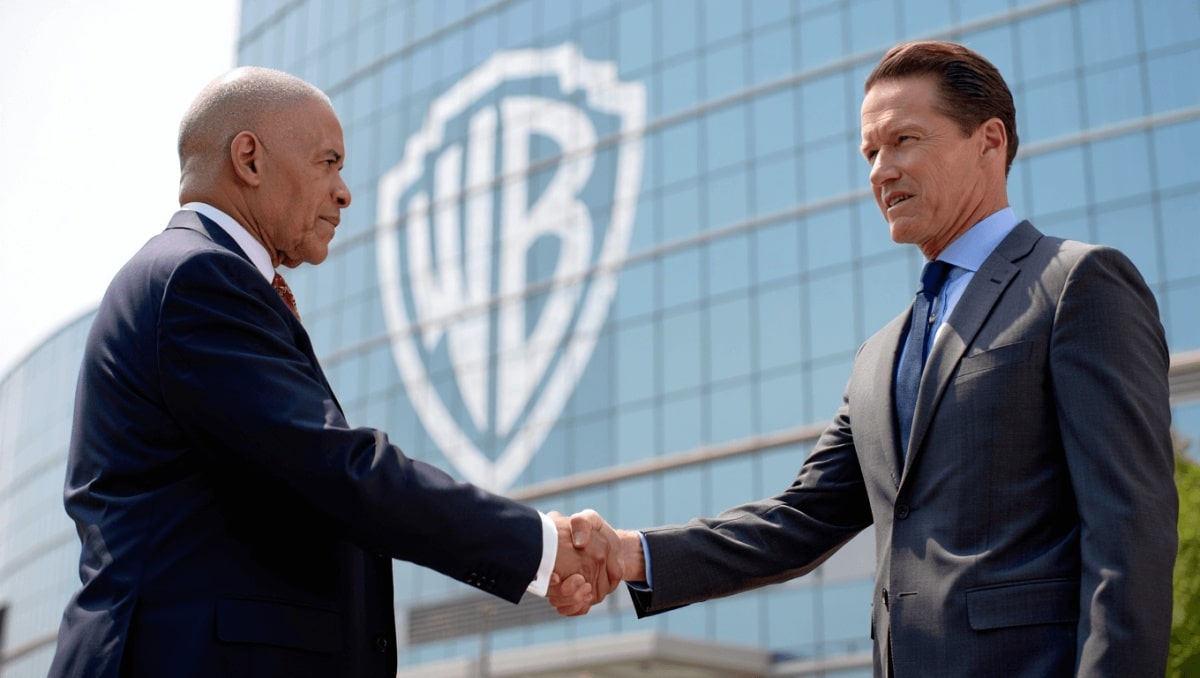
In a deal that reshapes Hollywood, Netflix has agreed to acquire Warner Bros. Discovery’s studio and streaming operations. The move joins two of the most influential entertainment companies and will ripple across streaming, theatrical distribution and media competition worldwide.
Deal specifics: price, structure and timeline
The offer combines cash and stock and values the studio-and-streaming unit at about $72 billion. When factoring in debt and other elements, the total enterprise value rises to roughly $82.7 billion. Warner shareholders would receive $27.75 per share as part of the transaction.
Nas slams music industry over disrespect: teases new music, vows to address it
1992 vocal performances: 3 jaw-dropping moments that still amaze
- The acquisition covers Warner’s film and television studios, HBO and HBO Max, and DC Studios.
- Excluded from the sale are cable networks such as CNN and Discovery; those assets are planned to separate into a distinct company.
- The companies expect the deal could close within 12 to 18 months, after the planned separation of Warner’s cable operations is finalized.
How the merger could reshape streaming and content catalogs
Combining Netflix and Warner’s libraries would create a vast catalog of movies and series. Executives say that subscribers could see an immediate expansion in available titles.
Subscriber options and potential bundling
- If both platforms remain separate, expect more joint promotions and bundle offers.
- Integrations could allow cross-platform access and larger shared libraries for members.
- Decisions about pricing tiers, ad-supported plans, and international rollout will be critical.
Netflix framed the move as a way to give its audiences more high-quality options. Analysts warn, however, that a single owner for two major streaming brands could reduce diversity in content creation and distribution over time.
Antitrust scrutiny and regulatory obstacles ahead
Regulators in multiple countries will closely examine the transaction. The merger would place Netflix and HBO Max under the same corporate umbrella, changing competitive dynamics in streaming.
- Antitrust authorities will assess whether the deal harms competition or consumer choice.
- Past consolidation in media has prompted long investigations and, in some cases, enforced divestitures.
- Lawmakers and industry groups have already signaled concerns about market concentration.
Experts say any approval process could be lengthy and might include conditions designed to preserve competition.
Implications for movie theaters and theatrical releases
Netflix has promised to continue theatrical runs for Warner’s studio films and honor existing contracts. Still, the cinema industry voiced alarm.
Theatre operators argue that Netflix’s overall approach favors streaming and short theatrical windows. Trade groups warn that long-term ownership could reduce studio support for cinemas and threaten exhibition jobs.
- Cinema associations called the acquisition a major risk to the global exhibition business.
- Exhibitors say sustained streaming-first strategies can lead to fewer bookings for wide theatrical releases.
- Some past Netflix titles have had limited theatrical runs to qualify for awards or boost visibility.
Industry leaders urged regulators to evaluate potential damage to local theaters and related jobs.
Corporate context: Warner’s planned split and the bidding contest
Warner had already announced plans to separate its cable networks from its studios and streaming platforms. The studio-and-streaming assets were positioned as a standalone company to attract buyers.
- Under that plan, networks like CNN, Discovery and sports channels would form a separate, publicly traded company.
- The new cable entity is slated to emerge in the third quarter of 2026.
- The split left Warner’s studios and HBO brands available for acquisition or strategic partnership.
The sale followed months of interest from several suitors. Comcast and private buyers explored bids. Paramount had also made aggressive offers during the contest for Warner’s assets.
Voices from leadership and industry reaction
Warner’s chief executive framed the move as a way to preserve the studio’s cultural legacy and global reach. Netflix’s leadership positioned the acquisition as an expansion of entertainment choices for viewers.
Analysts described this as a “seismic shift” in the streaming wars and said the combined company could become the dominant global streamer.
- Media analysts predict portfolio synergies, but also complex integration work and cultural challenges.
- Exhibitors and some creators expressed concern over how content windows and theatrical strategies might change.
- Shareholders reacted quickly: Warner’s stock ticked up while Netflix shares slipped on the announcement.
What assets move and what stays behind
The deal focuses on content creation and streaming platforms. Networks and some digital properties remain excluded from the transaction.
- Included: Warner Bros. film and TV production, HBO and HBO Max, DC Studios.
- Excluded: CNN, Discovery channels, TNT Sports, Discovery+ and related cable operations.
- Excluded assets will become part of a separate public company that will focus on cable networks and sports rights.
Next steps and what to watch
Over the coming months regulators will review the merger and the companies will work on integration plans. Both firms must also outline how they will run theatrical releases and subscription offerings post-close.
- Watch for regulatory filings and timelines from antitrust authorities.
- Look for details on how Netflix plans to integrate HBO content and protect theatrical partners.
- Monitor how competitors respond with new alliances, programming investments, or price changes.










