
Show summary Hide summary
- How a single man reveals a nation’s unease
- Performances that hold the film together
- Recife as character: carnival, alleys and public panic
- Kleber Mendonça Filho’s direction: intimate, freewheeling and precise
- Genre echoes: thrillers, Spielberg and political sharks
- What the film captures about ordinary courage
- Scenes that stay with you
Living under an authoritarian regime reshapes small moments into sources of fear. That mood powers The Secret Agent, a new film by Kleber Mendonça Filho that folds political menace into everyday life. Told through the narrow, anxious world of one man, the movie is at once a thriller, a city portrait, and a darkly funny meditation on power.
How a single man reveals a nation’s unease
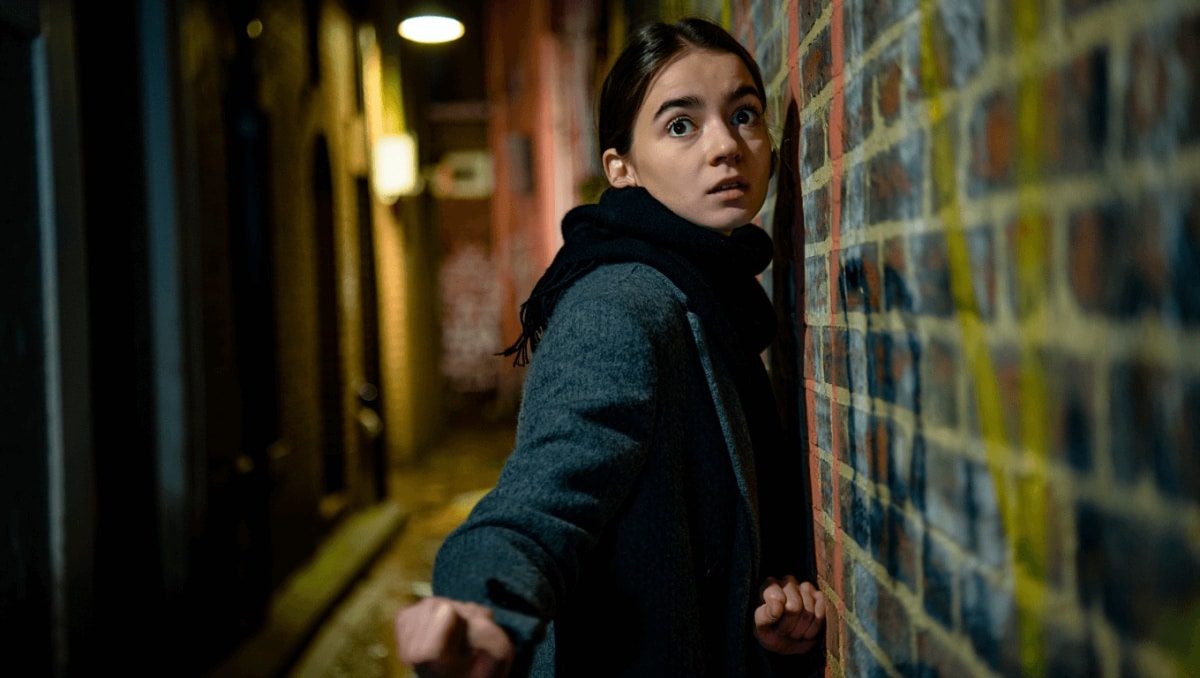
Set in 1977 at the height of Brazil’s military rule, the story follows Marcelo, a research scientist on the run. He arrives in Recife to collect his young son from his late wife’s parents. What begins as a plan to flee becomes a study of how an ordinary family navigates extraordinary danger.
Nas slams music industry over disrespect: teases new music, vows to address it
1992 vocal performances: 3 jaw-dropping moments that still amaze
The film quietly tracks Marcelo’s routines. He is careful, exhausted and private. But his fate is tied to forces far larger than his own choices. The tense, patient narrative keeps viewers aware of the invisible lines that can snap at any moment.
Performances that hold the film together
Wagner Moura’s restrained center
Wagner Moura anchors the movie with a performance of small gestures and deep reserves. He never overwhelms a scene. Instead, he conveys fear and tenderness with looks, pauses and the occasional humor. In the film’s most affecting sequence, Moura introduces Marcelo to the tenants of a small apartment building. His gaze maps each person with kindness and quiet sorrow.
Memorable supporting characters
- Dona Sebastiana, a vivid septuagenarian, opens her home to fugitives and becomes Marcelo’s sanctuary.
- Two hit men arrive from the south, offering menace with odd moments of humanity.
- A corrupt local police chief embodies the cruelty of the regime while also providing dark comic relief.
- A handful of neighbors — from a scarred tailor to an ambitious tycoon — give the story its social texture.
Each actor receives careful attention. The director treats even smaller roles as complete people. That decision deepens the film’s moral and emotional complexity.
Recife as character: carnival, alleys and public panic
Mendonça recreates Recife in loving detail. Cafes, high-rise apartments, narrow streets and beaches appear as parts of a living organism. The city’s carnival is a central image.
The movie juxtaposes joy and violence. Carnival erupts with samba, drinking and music. Yet headlines and radio reports in the film remind viewers of a recent massacre that claimed many lives. That contrast pushes the film’s tension higher.
There is also an odd, hallucinatory subplot about a severed leg said to have come back to life. It feeds the film’s eerie, sometimes comic atmosphere and highlights how rumor and fear spread in an anxious society.
Kleber Mendonça Filho’s direction: intimate, freewheeling and precise
Mendonça began his career as a critic, and his films wear that intelligence on their sleeves. He respects narrative momentum but resists rigid genre rules. The Secret Agent moves through time, detours into textures and lingers on small social spaces.
- He lets scenes breathe, showing ordinary life alongside political cruelty.
- He moves freely between suspense and satire.
- He uses local color — a gay cruising spot, a movie house, a dying body on the street — to build a convincing world.
The result is a film that feels like a personal memory of the era and a wider reflection on how regimes shape daily habits.
Genre echoes: thrillers, Spielberg and political sharks
The movie borrows from classic 1970s political thrillers while keeping a distinct voice. Mendonça pays tribute to mainstream suspense but reframes it for a Brazilian context. He makes the political machine the true predator.
Jaws appears inside the film as a motif. Marcelo’s son wants to see it. The poster terrifies him. The reference works on two levels: it builds mounting dread and suggests a metaphorical predator. The real danger here is not a shark but a military apparatus that devours dissent.
What the film captures about ordinary courage
At the heart of the movie is a network of everyday acts that resist oppression. A grandmother who shelters fugitives. Neighbors who exchange favors. A scientist who clings to paternal hope. These small, human gestures provide the movie’s strongest emotional roots.
The Secret Agent insists that courage is rarely heroic in the cinematic sense. It is often quiet, improvised and fragile. The director celebrates those fragile acts without sentimentalizing them.
Scenes that stay with you
- The first meeting at Dona Sebastiana’s building. A single scene shows an entire moral universe.
- A carnival street where Marcelo briefly drinks and dances. The moment underscores what life might have been.
- The film’s collage of public hysteria, newspapers and rumor. It amplifies how social panic can be weaponized.
As Marcelo moves through the city’s squares and hidden rooms, the film keeps a steady, growing dread. It never rushes its moral questions. Instead, it lays them out in human terms and lets the audience inhabit them.










