
Show summary Hide summary
- How Ford turned cars into a national story
- What early ads implied about who belongs
- Campaigns that reflected a more diverse optimism
- Recent ads: ruggedness, roots, and cultural signaling
- Why resentment shows up in brand storytelling
- Marketing meets politics: Ford in a polarized moment
- What the changing imagery reveals about America
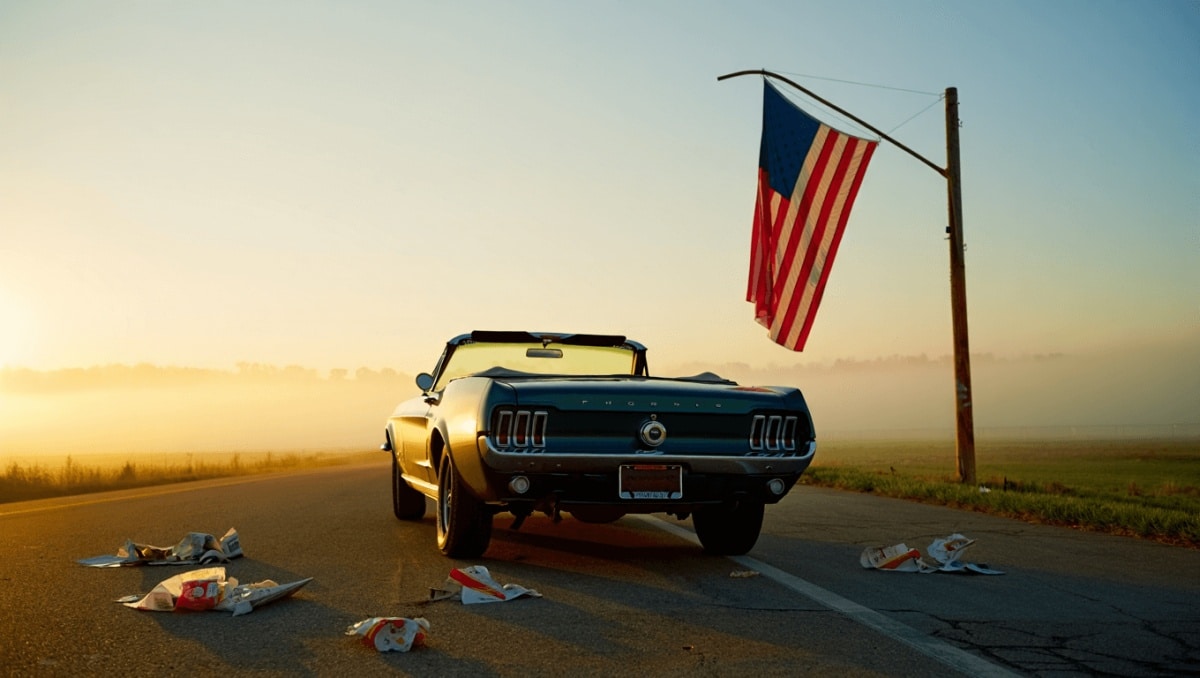
Ford does more than sell vehicles. It sells a version of America — a narrative that has shifted with the nation’s moods. Each campaign reveals what the company thinks the country wants to believe about itself, from boundless optimism to defensive grit.
How Ford turned cars into a national story
From the Model T to modern pickups, Ford has long wrapped its products in national meaning. The company’s early success was tied to mass production and the promise that new technology could lift everyday lives.
Nas slams music industry over disrespect: teases new music, vows to address it
1992 vocal performances: 3 jaw-dropping moments that still amaze
In the 1920s, as sales slipped, Ford tried to revive demand not by changing the car but by reshaping the cultural frame around it. The automaker produced grand, painted spreads that portrayed factories, foundries, and a glossy image of industrial progress.
- Ford promoted not just a vehicle, but a whole way of life.
- The idea was that affordable mobility expanded personal freedom.
- Those visuals linked Ford to national infrastructure and the growing highway system.
Years later, elements of those campaigns were recycled for prestige models. The message remained: owning a Ford meant participating in a larger American promise. The brand became shorthand for a certain civic identity.
What early ads implied about who belongs
Those nostalgic images did more than inspire longing. They defined an ideal consumer and a social order. The scenes often centered on a nuclear family at the edge of a new highway, implying who was welcome in that dream.
- Travel as a private family right, not a communal journey.
- The stable, middle-class household as the cultural norm.
- Visual cues that privileged whiteness, straightness, and propertyownership.
Implicit exclusions mattered. The ad narrative suggested a future open to some, closed to others. Mobility was framed as an entitlement tied to a narrow social image.
Campaigns that reflected a more diverse optimism
Decades later, Ford’s creative voice shifted with the times. During the 2010s, ads leaned into inclusivity and possibility. The tone was forward-looking and culturally aspirational.
Commercials from this era showed a wider set of faces and ambitions. A child staring in awe at a Mustang, for example, sent a message that the car’s excitement belonged to everyone. Other spots featured confident women navigating cities, soundtracked by anthemic pop music.
- These ads tapped into cultural optimism about progress.
- They used diversity as a selling point, not tokenism.
- For a time, feminism and mobility intersected as marketable themes.
In that moment, Ford appeared to bet on a pluralistic future. Its imagery suggested a country open to new possibilities.
Recent ads: ruggedness, roots, and cultural signaling
More recently, Ford’s messages have grown combative and protective. The tone emphasizes endurance, hands-on work, and a rooted identity. This is not the same optimism of the Obama years.
Modern spots often celebrate rural life over metropolitan modernity. They contrast manual labor with office-based work and place pride in skilled craftsmanship. Even product tie-ins lean into this aesthetic, such as videos highlighting artisanal accessories built by lifelong truck owners.
One prominent recent piece used sports and local toughness to make a point about resilience. A stern voiceover praised the necessity of struggle and the absence of easy gains. The emotional register here is defensiveness mixed with pride.
Why resentment shows up in brand storytelling
The change in tone tracks wider political currents. A sense of grievance, the feeling that rewards have been unfairly distributed, has been prominent in public life. Ads that echo that mood can feel like cultural reinforcement.
Social scientists describe this as a “deep story” — a simplified narrative that explains how people feel even when facts are complicated. In this schema, many citizens imagine themselves waiting in line for the American dream and watching others cut ahead.
- The line metaphor captures frustration at slow economic mobility.
- Perceived unfair advantages for some groups intensify that frustration.
- Political figures and media can reinforce the sense of being overlooked.
Brands can tap that emotional logic. When an ad emphasizes fighting for what’s yours, it resonates with people who feel dispossessed.
Marketing meets politics: Ford in a polarized moment
Ford’s advertising choices intersect with policy debates and symbolic politics. The company’s claim to Americanness has been used in political theater. A recent diplomatic moment featured a pickup truck parked outside a high-profile meeting to signal alignment with American industry.
At the same time, trade policy and tariffs have complicated the story. Company leaders have warned that higher import duties can raise manufacturing costs, even as politicians frame such moves as renewing domestic production.
- Brand symbolism can be deployed by politicians to signal patriotism.
- Corporate leaders must balance public image with operational realities.
- Advertising that leans into identity politics risks alienating some customers.
These tensions show how corporate mythmaking and public policy influence each other. Ford’s ads reflect not only market strategy but the country’s ongoing cultural debate.
What the changing imagery reveals about America
Watching Ford’s adography over a century offers a mirror to shifting national self-concepts. Sometimes the company promises a future of shared expansion. Other times it comforts a base that feels besieged.
Through style, casting, and music, Ford tells a story about who Americans are and who they should be. That narrative matters because it helps shape what people believe is possible and who belongs in that future.
Ultimately, the brand sells more than metal: it sells an idea of America, one that evolves as anxieties and aspirations change.










