
Show summary Hide summary
- From San Juan streets to the piano: the early years of Rafael Ithier
- Military service that changed his approach to music and leadership
- New York and Puerto Rico: formative bands before El Gran Combo
- Founding and shaping El Gran Combo de Puerto Rico
- Signature songs and influence on modern artists
- “La universidad de la salsa”: a talent factory for the genre
- Awards, recognition and public reaction to Ithier’s passing
- What his leadership meant for salsa’s evolution
- How El Gran Combo influenced generations of listeners
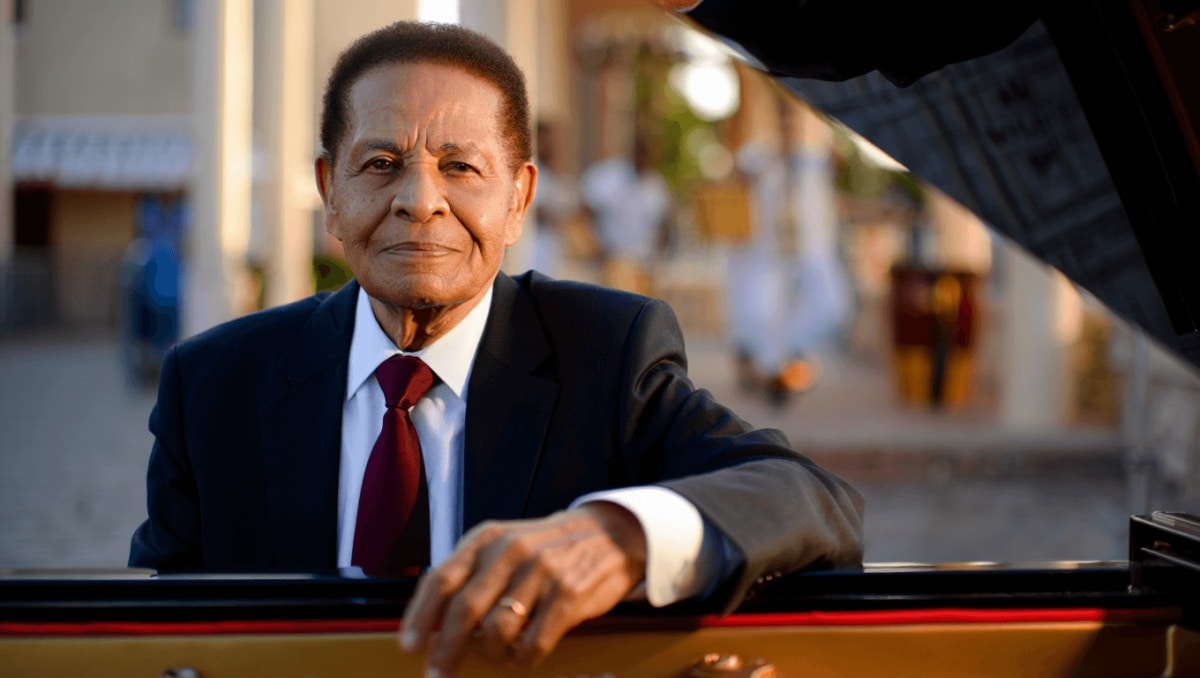
Rafael Ithier, the pianist and bandleader who built El Gran Combo de Puerto Rico into a global salsa force, has died at 99. His passing marks the end of an era for a band that shaped generations of Latin music fans.
From San Juan streets to the piano: the early years of Rafael Ithier
Born in San Juan in 1926, Ithier began playing music as a child. Family needs forced him to leave school at 14, but he kept learning instruments.
Nas slams music industry over disrespect: teases new music, vows to address it
1992 vocal performances: 3 jaw-dropping moments that still amaze
- Started on guitar at age 10.
- Added the Cuban tres and the double bass to his skill set.
- Ultimately made the piano his signature voice.
Those early hardships shaped his work ethic and his musical curiosity. He moved from local gigs to larger ensembles, always focused on arranging and directing.
Military service that changed his approach to music and leadership
In 1952 Ithier was drafted and served in Korea. The experience tested him and taught discipline he would later apply to leading an orchestra.
He later reflected that the Army’s rules helped him become a more rigorous bandleader. That discipline became part of El Gran Combo’s identity.
New York and Puerto Rico: formative bands before El Gran Combo
After his military duty, Ithier worked with groups in New York, including a band named for the Borinqueneers. He eventually returned to Puerto Rico.
Back home, he joined Cortijo y Su Combo, one of the most important orchestras on the island. When political and legal turmoil hit that group in the early 1960s, new opportunities emerged.
Founding and shaping El Gran Combo de Puerto Rico
Ithier helped create El Gran Combo at a pivotal moment in the island’s music scene. He became the orchestra’s musical director, composer and arranger.
Under his stewardship, the band developed a distinct sound: tight brass, driving percussion and polished arrangements.
- Led the group for more than six decades.
- Recorded dozens of albums.
- Performed worldwide, spreading Puerto Rican salsa.
Signature songs and influence on modern artists
El Gran Combo released tracks that became salsa classics. Their 1975 tribute to New York’s Puerto Rican community captured the era’s energy.
The 1979 hit “Brujeria” showcased a powerful brass line and lively percussion. Vocalist Charlie Aponte delivered lyrics with playful bite.
These records sustained the group’s reputation as a bridge between Caribbean roots and urban sounds. Decades later, contemporary stars helped bring renewed attention to their catalog.
- “Un Verano en Nueva York” — an ode to the Nuyorican scene.
- “Brujeria” — a rhythmic showcase with memorable horn arrangements.
“La universidad de la salsa”: a talent factory for the genre
Musicians frequently called El Gran Combo “la universidad de la salsa.” The band trained countless players who later led their own projects.
That nickname also became an album title in the 1980s, reflecting the group’s role as both educator and employer for salsa talent.
Awards, recognition and public reaction to Ithier’s passing
El Gran Combo received a Lifetime Achievement Award at the Latin Grammys in 2015. The honor affirmed the group’s global impact.
News of Ithier’s death prompted an outpouring of condolences. Musicians, institutions and public figures praised his contribution to Latin music.
The Latin Recording Academy thanked him for a life devoted to music and called his legacy enduring.
What his leadership meant for salsa’s evolution
Ithier kept El Gran Combo musically relevant across shifting trends. He balanced tradition with fresh arrangements.
Even as personnel changed, the ensemble maintained consistent quality. Ithier’s role as arranger and director ensured the band stayed true to its roots.
Key milestones in Ithier’s career
- 1926 — Born in San Juan, Puerto Rico.
- 1952 — Drafted and served in Korea.
- 1960s — Helped form and lead El Gran Combo de Puerto Rico.
- 1970s — Produced hits that defined Puerto Rican salsa.
- 2015 — Latin Grammy Lifetime Achievement Award for the group.
How El Gran Combo influenced generations of listeners
Through radio, records and live shows, the orchestra reached fans across Latin America and beyond. Their sound became a cultural touchstone.
Young bands learned from their arrangements. DJs and producers sampled their grooves, keeping classics alive in new forms.
Social media tributes after Ithier’s death underscored how many artists and fans felt indebted to his work.










