
Show summary Hide summary
- How Friendsgiving grew from small gatherings to a national tradition
- What defines a Friendsgiving: the vibe, the menu, the rules
- Practical tips for hosting or joining a Friendsgiving
- Friendsgiving in media and online: videos, guides, and sponsorships
- Why Friendsgiving matters now: belonging, mobility, and new traditions
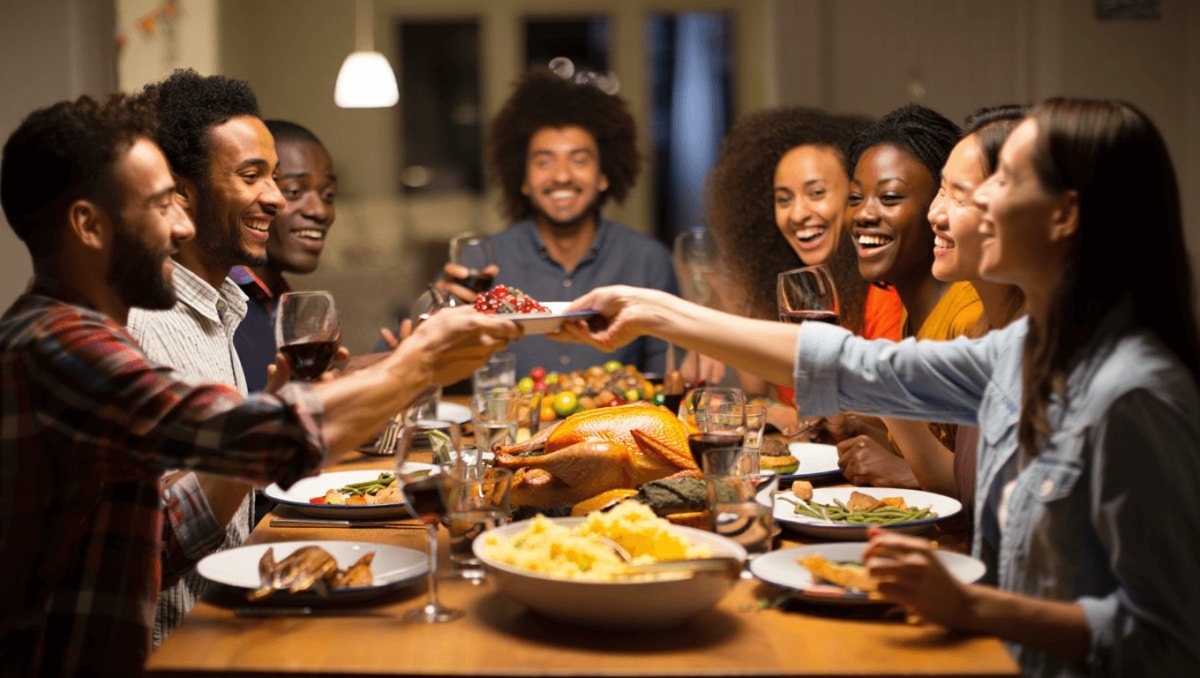
When the Thanksgiving travel plans fall through or family gatherings feel like too much, many Americans find a warmer, looser alternative: Friendsgiving. This grassroots celebration flips the script on holiday expectations. It’s casual, often potluck-style, and centered on chosen family — the people you pick to share a table with when the traditional route isn’t an option.
How Friendsgiving grew from small gatherings to a national tradition
What began as informal dinners among roommates and coworkers has become a recurring holiday fixture. Social media and television helped spread the idea in the 2010s. A few high-profile pop-culture moments made the term familiar to millions.
Nas slams music industry over disrespect: teases new music, vows to address it
1992 vocal performances: 3 jaw-dropping moments that still amaze
Key points in its rise:
- Early adopters in urban areas turned seasonal dinners into annual rituals.
- TV shows and influencers amplified the concept and vocabulary.
- Young adults and mobile professionals found it a natural fit.
Today, Friendsgiving is recognized nationwide as a viable option for people who want community without the pressure of a formal holiday meal.
What defines a Friendsgiving: the vibe, the menu, the rules
Friendsgiving isn’t a copy of Thanksgiving. It borrows some traditions but prioritizes flexibility and personal taste. Hosts can choose a low-key night of comfort food or an elaborate feast. Guests often bring dishes, which keeps stress and costs down.
- Potluck format: everyone contributes one dish.
- Flexible timing: before, on, or after Thanksgiving Day.
- Adaptable menus: dietary restrictions are easier to accommodate.
- Casual atmosphere: games, music, and less rigid etiquette.
The emphasis is on connection, not perfection.
Practical tips for hosting or joining a Friendsgiving
Planning a successful Friendsgiving is about communication and simple systems. These practical steps help keep the event stress-free.
- Set a date and time early to lock in attendees.
- Create a shared list for dishes to avoid duplicates.
- Label foods with ingredients for allergy awareness.
- Plan a few easy staples—bread, drinks, a simple protein.
- Keep serving logistics simple: disposable plates reduce cleanup.
Consider assigning themes or categories to guide contributions. A dessert-only Friendsgiving is a fun twist.
Friendsgiving in media and online: videos, guides, and sponsorships
Coverage of Friendsgiving appears across streaming platforms and news outlets. There are how-to videos, recipe reels, and sponsored content explaining trends and menus. Some content is supported by brands that help fund production.
Watchable guides and short documentaries show how a casual potluck evolved into a cultural pattern. Creators often pair practical advice with personal stories about chosen family and community.
Why Friendsgiving matters now: belonging, mobility, and new traditions
Modern life is more mobile. Families are scattered and schedules conflict. Friendsgiving answers that reality by valuing relationships you build where you live. It’s about intentional community.
- Young professionals use it to mark milestones away from home.
- It offers a less formal way to celebrate cultural and culinary diversity.
- For many, it’s a ritual of care and mutual support.
In short, Friendsgiving is a flexible ritual that reflects changing patterns of family and friendship in the 21st century.










