
Show summary Hide summary
- An intimate story that opens with an emergency room
- The incident that drives the mystery
- Cast, characters and performance highlights
- How the show handles parenting debates and public health
- Narrative structure: misdirection, perspective and tone
- Class, economics and the unseen pressures on parenting
- The show’s tonal swings and where uncertainty pays off
- Strengths, weaknesses and notable scenes
- Style, pacing and direction choices worth noting
- Audience fit: who might like Little Disasters
- Elements that provoke debate
Paramount+’s Little Disasters arrives as a compact, six-episode drama adapted from Sarah Vaughan’s novel. It folds a parenting-circle thriller into moral puzzles about judgment, truth and trust. The centerpiece is a sudden hospital visit that fractures long friendships and forces viewers to pick sides.
An intimate story that opens with an emergency room
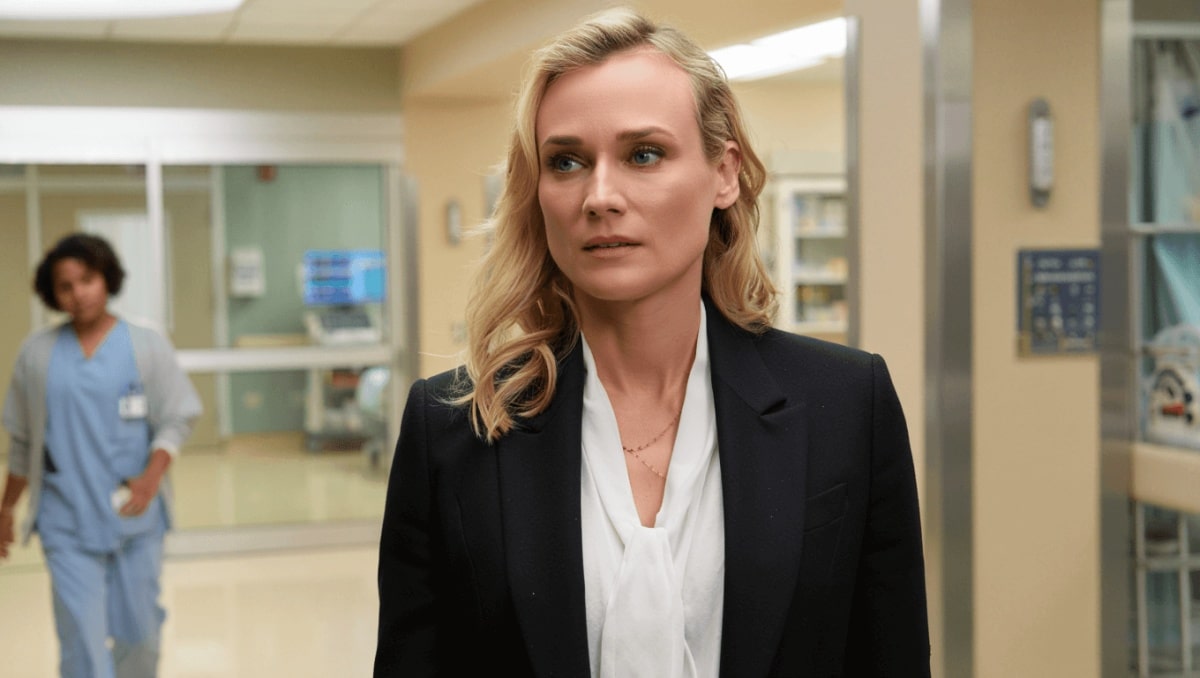
The series opens when Jess, played by Diane Kruger, brings her infant daughter to the ER. The baby won’t stop crying and signs of injury appear. What begins as a medical emergency quickly becomes a simmering social crisis.
Nas slams music industry over disrespect: teases new music, vows to address it
1992 vocal performances: 3 jaw-dropping moments that still amaze
All eight parents share a history. They met in an antenatal class and have remained woven into one another’s lives for over a decade. Their routine — shared dinners, holidays and school runs — makes the break in trust that follows feel sharper.
The incident that drives the mystery
Betsy’s injury is the narrative fulcrum. The doctor on duty is Liz, a friend from the same parenting set. She finds a skull fracture that does not match Jess’ initial account.
- Liz must decide whether to trust a friend or report a suspected injury.
- Jess’s account shifts and raises suspicion about other adults in the household.
- Police and social services enter the story, turning personal anxieties into public inquiries.
These facts push the group into interrogation mode, and the show uses that pressure to pry open old resentments and private secrets.
Cast, characters and performance highlights
The ensemble anchors the drama. Diane Kruger gives Jess a taut, frayed energy. She can be both unnerving and vulnerable on screen. Jo Joyner’s Liz provides the counterbalance — a medic wrestling with duty and friendship.
- Diane Kruger — builds a layered portrait of a mother under strain.
- Jo Joyner — conveys quiet authority and conflicted loyalty.
- Emily Taaffe and Patrick Baladi — offer smaller but credible arcs.
- JJ Feild, Shelley Conn, Ben Bailey Smith and Stephen Campbell Moore — populate the friend group with diverse tensions.
Not every character receives equal attention. Some are sketched thinly and reappear only to advance plot points. Still, the principal relationships feel authentic in many scenes.
How the show handles parenting debates and public health
One of the series’ most provocative choices is to present Jess as openly skeptical of vaccines. That trait is folded into the larger theme of judging parents. The writing treats this stance as one of many personal choices — not a central political indictment.
This approach will land differently for viewers. Some will appreciate the show’s softer framing of parenting choices. Others will see it as too neutral on a topic that many consider a civic duty.
The series intentionally leaves room for ambiguity about whether actions stem from ideology, negligence or fear.
Parenting choices as a mirror of social judgment
Little Disasters repeatedly returns to a single idea: mothers are often judged first and hardest. Characters voice that truth directly, and the drama exploits common insecurities among parents.
- Perfection is a public expectation.
- Small lapses can lead to lasting suspicion.
- Close friendships amplify scrutiny and doubt.
Narrative structure: misdirection, perspective and tone
The plot leans into unreliable narration. Characters offer contradictory accounts and memories. The scripts plant red herrings that keep viewers guessing.
Director Eva Sigurðardóttir stages moments of disorientation. Several sequences use repeated sounds, dreamlike imagery and inward-focused camera work to show mental strain.
Sometimes this stylistic choice heightens the mystery. Other times it dilutes clarity and slows momentum.
Class, economics and the unseen pressures on parenting
Economic context threads through the series, but not always convincingly. The friend group contains couples with different means. Some are comfortably well-off. Others have tighter finances.
The show attempts to link choices to resources. It hints that money and time shape parenting options. But the depiction rarely reaches the sharper, rawer realities of class struggle.
As a result, viewers may feel the economic stakes have been sanitized rather than examined.
The show’s tonal swings and where uncertainty pays off
Much of Little Disasters succeeds by keeping viewers off balance. It is strongest when it refuses tidy judgments.
- The ambiguity around motive fuels suspense.
- Personal flashbacks deepen character relatability.
- Direct-to-camera asides offer intimacy, though they are uneven in effect.
But the series also trips on its own devices. In later episodes, certain characters harden into one-dimensional figures. The final revelations lean toward melodrama.
Strengths, weaknesses and notable scenes
The show offers several compelling moments. Tense hospital sequences and private confrontations deliver real emotional stakes. The performances often sell the uncertainty and grief at the story’s center.
Key weaknesses include rushed resolutions and an ending that strains credibility. The finale attempts neat closure but sacrifices ambiguity and some moral complexity.
- What works: character-driven tension, strong lead performances, effective use of atmosphere.
- What falters: thin secondary arcs, a finale that simplifies motives, and an undercooked economic critique.
Style, pacing and direction choices worth noting
Sigurðardóttir favors intimacy over spectacle. Many scenes feel inward and claustrophobic, appropriate for a story about small communities and large accusations.
Sound design plays a deliberate role. The persistent crying of a baby becomes almost a motif. It underlines anxiety and keeps the viewer on edge.
At times the show’s editing pushes for mystery at the expense of coherence. Flashbacks and hallucinations can accumulate without always clarifying their purpose.
Audience fit: who might like Little Disasters
The series will appeal to viewers who enjoy character-driven domestic mysteries. Fans of ensemble dramas about friendships and buried secrets may find much to engage with.
- Recommended for viewers who like moral ambiguity.
- Less satisfying for those seeking a tightly plotted whodunit.
- A must-watch for audiences curious about parenting culture on screen.
Elements that provoke debate
The show deliberately courts controversy by normalizing a disputed health stance as a personal parenting decision. That choice opens lines of argument outside the narrative.
Is vaccine skepticism presented as experimental empathy or irresponsible ambivalence? The series prefers not to decide, and that refusal will irritate some viewers.
Similarly, the legal and moral resolutions in the final episodes may feel engineered to force catharsis rather than reflect uncertainty.










