
Show summary Hide summary
- How CBGB’s name and mission evolved in New York
- From folk roots to punk incubator: the scene that erupted
- The Bowery backdrop: why the neighborhood shaped the sound
- Booking, touring bands, and the widening influence
- Trouble with the landlord and the fight to stay open
- The final performances and the end of an era
- Aftermath: memory, preservation and urban change
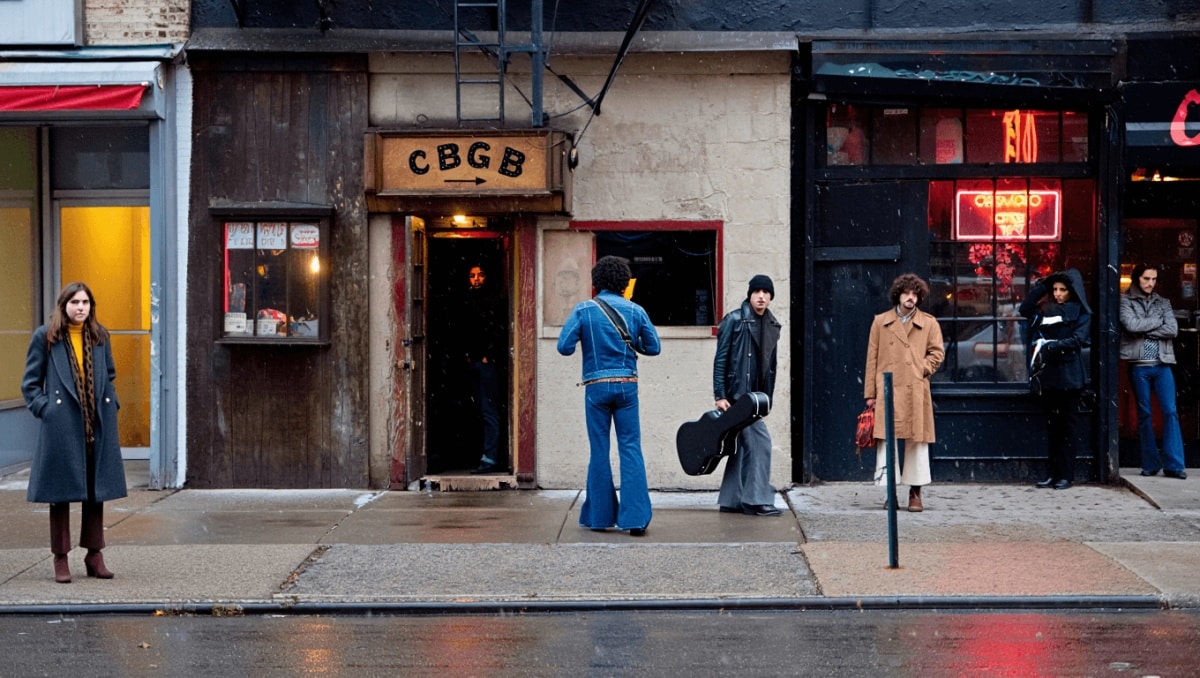
On a chilly December night in 1973, a modest hole-in-the-wall on Manhattan’s East Village set the stage for one of music’s most influential revolutions. What began as a small club meant for country, bluegrass and blues soon became the furnace where New York punk and new wave were forged. CBGB turned gritty nights and raw performances into a cultural movement, launching dozens of bands that rewrote rock’s rulebook.
How CBGB’s name and mission evolved in New York
Hilly Kristal opened the club with a simple premise: a place for country and bluegrass. The letters CBGB stood for that initial idea. Yet Kristal added a cheeky suffix, rendering the full marquee CBGB & OMFUG, an eccentric phrase meant to defy neat definitions.
Nas slams music industry over disrespect: teases new music, vows to address it
1992 vocal performances: 3 jaw-dropping moments that still amaze
Over time, the venue’s stated purpose mattered less than what actually happened on its cramped stage. Bands that didn’t fit mainstream venues found a home here. The club’s name became a brand tied to a scene, not a musical instruction.
From folk roots to punk incubator: the scene that erupted
By the mid-1970s the club’s calendar filled with short, explosive sets. Night after night, young groups tested their sound and identity under the dim lights.
Artists who cut their teeth at CBGB
- The Ramones — stripped-down, frenetic songs that defined punk’s pace.
- Television — artful guitar work and lyrical complexity.
- Talking Heads — cerebral new wave that blurred genres.
- Blondie — pop instincts mixed with punk attitude.
- Patti Smith — poetic performances that bridged rock and literature.
In the 1980s CBGB also hosted harder-edged hardcore acts. Names like Cro-Mags and Agnostic Front reflected the scene’s increasingly aggressive energy.
The club’s real gift was exposure: unknown bands could play, meet their peers, and find a growing audience. Promoters, record scouts and fans came to expect discovery.
The Bowery backdrop: why the neighborhood shaped the sound
CBGB sat below a flophouse on the Bowery, an area that had fallen into decay. The neighborhood’s grit matched the music’s attitude. Performers and fans embraced an aesthetic of rough edges and authenticity.
That raw environment offered creative freedom. The scene thrived because the city’s neglect created a cheap, risk-tolerant space where outsiders gathered and exchanged ideas.
Booking, touring bands, and the widening influence
Kristal began inviting groups from across the region. Acts rolled in from Boston, Philadelphia, and beyond. The cross-pollination pushed local bands to sharpen their craft.
- Out-of-state visitors brought new styles and rivalries.
- Local acts absorbed influences and evolved rapidly.
- Managers and labels used CBGB as a testing ground for talent.
That national flow of bands helped turn CBGB into a landmark beyond New York.
Trouble with the landlord and the fight to stay open
Decades of shows did not guarantee long-term stability. Financial disputes with the building’s owners intensified in the 2000s. Allegations of unpaid rent and rising costs brought legal pressure.
Kristal disputed some claims and resisted steep increases. Negotiations and court battles followed, but the club’s future grew uncertain as the neighborhood changed.
The final performances and the end of an era
CBGB closed its doors as the city and its property market transformed the Bowery. The last official week of shows drew many who had started their careers there.
Veteran performers returned for farewell sets. The atmosphere was equal parts celebration and mourning. On October 15, 2006, musicians and longtime patrons shared a final night that became part of the club’s legend.
Aftermath: memory, preservation and urban change
After the closure, the alley behind the club was altered and the block took on a different face. Some saw progress; others lamented loss. For many artists, though, the creative spark ignited at CBGB remained a defining chapter.
Photographs, recordings and memoirs preserve the club’s sound and ethos. Even as real estate remade the Bowery, CBGB’s name continued to symbolize a DIY spirit and a moment when New York’s musical underground became global.
Photo credit: Charlie Steiner – Highway 67/Getty Images










