
Show summary Hide summary
- Packages, pocketability, and what’s packed inside
- Goggles, battery setup, and the control interface
- Piloting feel: immersive flight, head tracking and collision reactions
- How 360 capture changes the workflow for creators
- Price point, competition, and who this drone suits
- Technical highlights and full specifications
The Antigravity A1 lands as a bold attempt to reshape consumer drone filming. It swaps a forward-facing camera for a full 360-degree rig, pairs with immersive goggles, and aims to free creators from precise camera positioning. The result is thrilling, but also distinctly a first-generation product with trade-offs worth weighing.
Packages, pocketability, and what’s packed inside
- Available bundles: Starter ($1,599), Explorer ($1,899), Infinity ($1,999).
- The Infinity kit includes a hard carrying case, one-handed grip controller, FPV-style goggles, four flight batteries, a battery for the headset, spare blades, tools, and a multi-battery charging dock.
- The drone itself weighs 249 grams, keeping it under many light-drone regulations in the U.S.
Nas slams music industry over disrespect: teases new music, vows to address it
1992 vocal performances: 3 jaw-dropping moments that still amaze
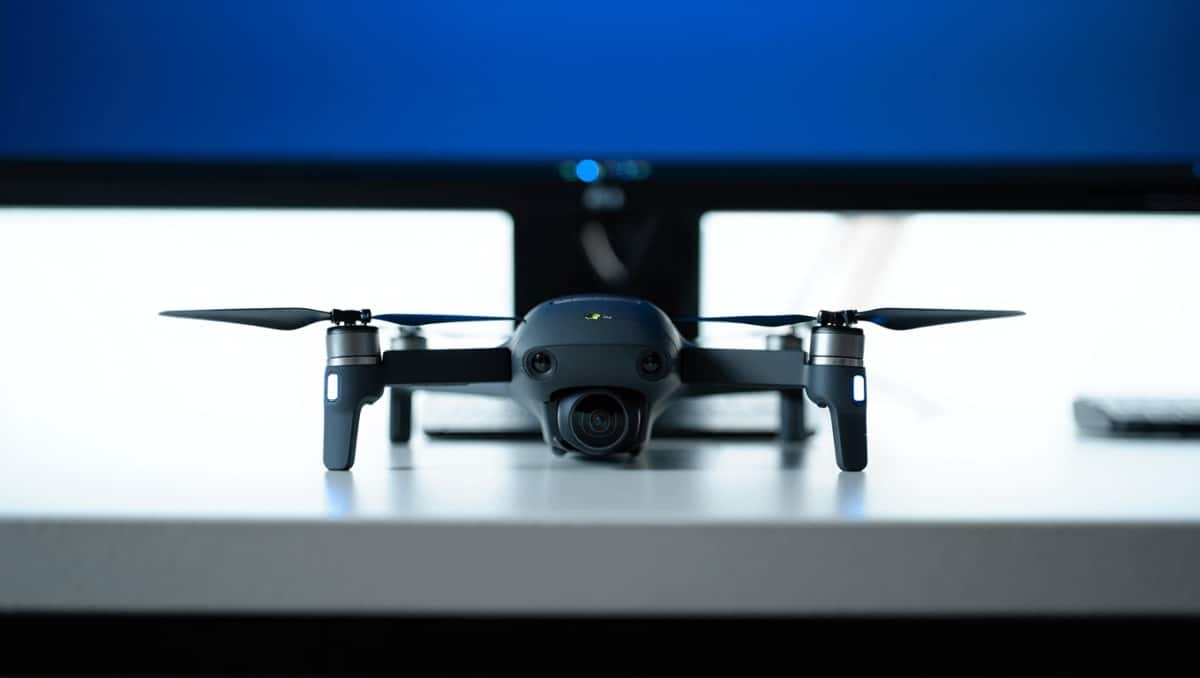
Folded, the craft is smaller than a 16‑inch softball and slips into a roomy jacket pocket. The design is a familiar quadcopter with folding arms and an automatic landing gear that deploys on touchdown.
Goggles, battery setup, and the control interface
The headset uses dual Micro‑OLED panels and a very high-resolution internal display. An exterior screen shows system status and lets bystanders see a preview of the view.
- Headset power: battery worn on a neck lanyard connects via a cable with USB‑C and barrel plugs. The headset’s USB‑C port is data-only.
- Controller: a single-hand unit with triggers, toggles and a scroll wheel for throttle, yaw and forward motion. It has more physical controls than many FPV remotes.
The battery-offloading design reduces facial weight. The extra buttons give increased control, but they also raise the learning curve for new pilots.
Piloting feel: immersive flight, head tracking and collision reactions
Flying the A1 feels like an FPV experience but with an important twist: you can turn your head inside the goggles and instantly look in any direction the drone has recorded.
- Head tracking enables full panoramic viewing while you pilot.
- A picture‑in‑picture (PIP) window keeps forward navigation visible when you look away from your flight direction.
- The craft requests larger arm movements on the controller versus smaller wrist motions common on some other one‑hand remotes.
Anti-collision sensors are conservative. In tight suburban settings they often halt or resist maneuvering. In open spaces the drone performs more freely.
Documented flight time: Antigravity advertises up to 24 minutes per charge under ideal conditions. Real-world testing in colder, windy weather saw about 18–20 minutes.
How 360 capture changes the workflow for creators
A traditional camera drone often forces you to fly and aim simultaneously. The A1 records a complete spherical video, allowing creators to choose framing after the flight.
This approach reduces the need for two operators and opens new storytelling options. Fly beside a subject and decide later which angles matter.
Important note: during testing I was unable to export captured media from the device. That prevented sharing photos and clips from my flights.
I’m coordinating with Antigravity to fix the file export issue and will update the review when downloads work. For now, the promise of effortless capture is clear, but verification of output files is pending.
Price point, competition, and who this drone suits
The Antigravity A1 targets creators who want immersive 360 capture rather than lower-cost casual flyers. Compared to popular models:
- DJI Mini 3 starts at roughly $419 for a more budget-focused option.
- DJI Avata 2 Fly More combos run around $1,199 and deliver high-performance FPV without a 360 camera.
- The A1 begins at $1,599 and reaches about $1,999 for the top bundle.
The A1 is not inexpensive, but it offers a distinct capability. As a Gen‑1 product, it still needs software and ergonomic tweaks. Examples include dialing back collision sensitivity by default and simplifying controller layout.
There’s also a geopolitical consideration: Antigravity is an Insta360 spin‑off. Some buyers may worry about supply or regulatory risks in certain markets.
Technical highlights and full specifications
- Takeoff weight: 249 grams with flight battery
- Folded size: 141.3 × 96.2 × 81.4 mm
- Unfolded size: 308.6 × 382.3 × 89.2 mm
- Flight time: 24 minutes (standard battery); up to 39 minutes with high-capacity battery
- Max range: ~8.0 miles standard; ~14.3 miles with high-cap battery
- Wind resistance: up to 24 mph (Level 5)
- GNSS: GPS + Galileo + Beidou
- Internal storage: 20 GB (microSD supported)
- Sensor: 1/1.28‑inch
- Aperture: f/2.2
- Max video: 8K (7680×3840) at 30/25/24 fps
- Max photo: 55 MP (10496×5248)
- Max video bitrate: 170 Mbps
- ISO range: 100–6400
- Live view: 2K @ 30 fps










