
Show summary Hide summary
- Why turkey still dominates American holiday tables
- The turkey reputation: bland, dry, and dramatic
- Practical ways to make a juicy, flavorful turkey
- Recipes and chefs worth trying for better turkey
- A turkey fan’s perspective: tradition, technique, and taste
- How turkey shaped the supporting cast of Thanksgiving
- Alternatives worth considering for the holiday table
Thanksgiving puts a massive bird at the center of the table, yet many diners treat turkey like a duty more than a delight. The annual ritual raises a question: why cling to a bland centerpiece when there are so many flavorful alternatives? Still, turkey has inspired an entire culinary ecosystem of tricks, traditions, and devoted fans.
Why turkey still dominates American holiday tables
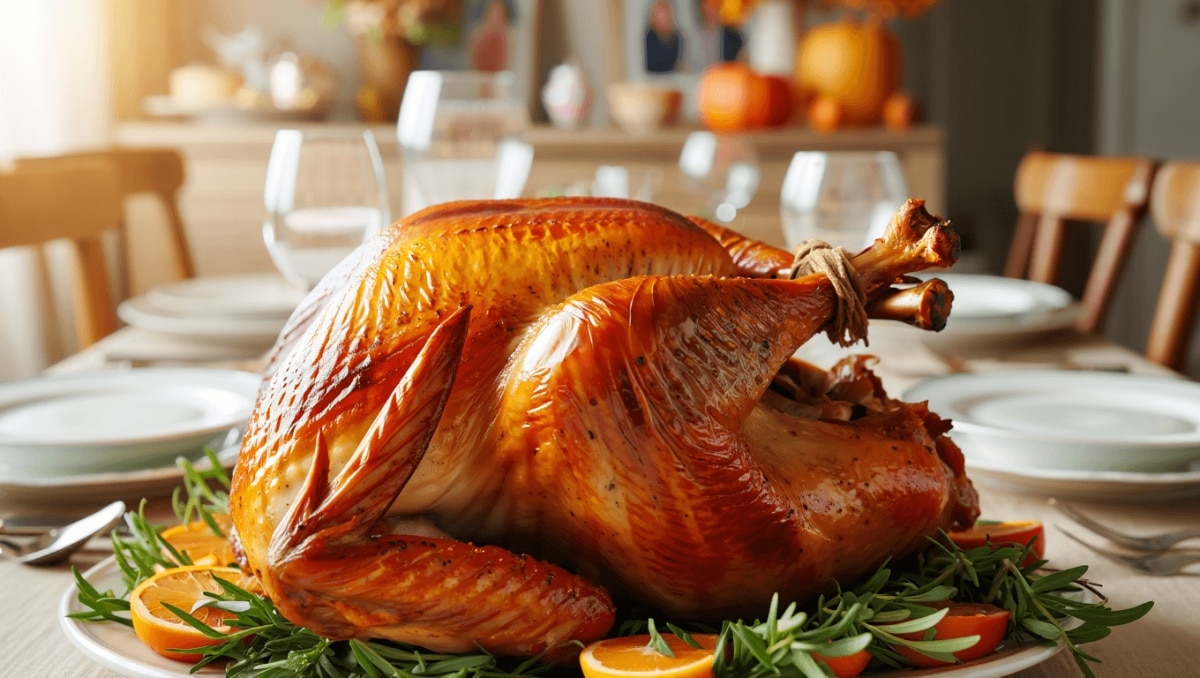
Turkey is as much a symbol as a dish. It evokes family gatherings, old pictures, and the visual of a whole bird arriving at the table. That imagery sticks.
Nas slams music industry over disrespect: teases new music, vows to address it
1992 vocal performances: 3 jaw-dropping moments that still amaze
- Tradition: The bird represents continuity for many families.
- Scale: Turkeys feed large groups affordably.
- Ceremony: Carving a whole turkey has ritual value.
- Versatility: Leftovers yield sandwiches, soups, and casseroles.
The turkey reputation: bland, dry, and dramatic
Critics complain that turkey can be dry and flavorless without heavy intervention. That reputation has led to extreme measures, including unsafe deep-frying attempts that cause accidents.
But the problem often traces to technique and expectations. Turkey meat is lean and mild. Cook it like a steak and it will end up overdone. Treat it with patience and moisture, and the results change.
Practical ways to make a juicy, flavorful turkey
Experienced cooks rely on a few reliable approaches. Some are simple. Others involve hours of prep. All aim to protect moisture and add taste.
- Brine the bird to improve juiciness and seasoning.
- Rub butter under and over the skin to baste from within.
- Roast low and slow, then rest the meat before carving.
- Use a meat thermometer to avoid overcooking.
- Consider spatchcocking for even cooking and crisp skin.
Note: Deep-frying may add flavor, but it carries fire risks and requires caution.
Recipes and chefs worth trying for better turkey
Several modern recipes have become go-to solutions for home cooks.
- Alison Roman–style preparations, which focus on rich, savory components and smart stuffing.
- Combinations inspired by Martha Stewart and Ina Garten that emphasize butter, aromatics, and long roasts.
- Simple herb rubs and compound butters for year-to-year consistency.
These methods add fat and salt in strategic ways, which helps a mild bird taste more vigorous.
A turkey fan’s perspective: tradition, technique, and taste
Reporter Christian Paz describes the holiday as inherently linked to turkey. For him, the bird is both symbol and centerpiece. He says the portrait of a whole turkey on the table is hard to beat.
Paz admits turkey can be problematic if handled incorrectly. He argues there are two ways to view the matter. One view blames poor technique. The other accepts that turkey needs patience and time to shine.
On preparation, Paz shares two favorite approaches. He praises Alison Roman’s recipe for its stuffing and balance. He also uses a butter-forward method that blends ideas from other well-known chefs. Both strategies prioritize moisture and flavor.
When asked about deep-frying and the safety headlines, Paz avoids endorsing frying. He prefers oven methods and recognizes that even other holiday meats can burn if handled poorly. If turkey were unavailable, he says he would choose roast chicken with a beloved stuffing variation.
His takeaway: tradition matters, but smart technique is what makes turkey worth serving.
Quick tips from experienced home cooks
- Bring the turkey to room temperature before roasting.
- Season both cavity and skin for deeper flavor.
- Use aromatics like onion, lemon, and herbs inside the bird.
- Reserve pan juices for gravy to concentrate flavor.
- Let the turkey rest 20–30 minutes before carving.
How turkey shaped the supporting cast of Thanksgiving
Because turkey can be understated, cooks developed robust sides to carry the meal. Some classics exist because they must, not because the turkey does.
- Mashed potatoes provide cream and fat to balance lean meat.
- Green bean casserole adds texture and savory punch.
- Stuffing and gravy concentrate flavors that turkey alone may lack.
Result: The bird often serves as a canvas for the sides to shine.
Alternatives worth considering for the holiday table
Families who move away from turkey find many appealing options. Each choice changes the workload and the flavors on the plate.
- Roast chicken: easier to cook and reliably juicy.
- Lamb or pork roast: richer flavors and dramatic presentation.
- Ham: simple to heat and glaze, less labor-intensive.
- Seafood like salmon: a seasonal, elegant swap for some households.
Choosing a different main often frees cooks to experiment with bold side dishes and sauces.










