
Show summary Hide summary
- Deal basics: price, financing and the breakup penalty
- Netflix’s pledge for Warner Bros. operations and the theatrical business
- Leadership message: why Netflix thinks the deal makes sense
- Analysts weigh in: content, IP and competitive fallout
- Hollywood response: studios, theater chains and guilds react
- Regulatory landscape: anticipated hurdles and scrutiny
- Potential consequences for audiences, creators and competitors
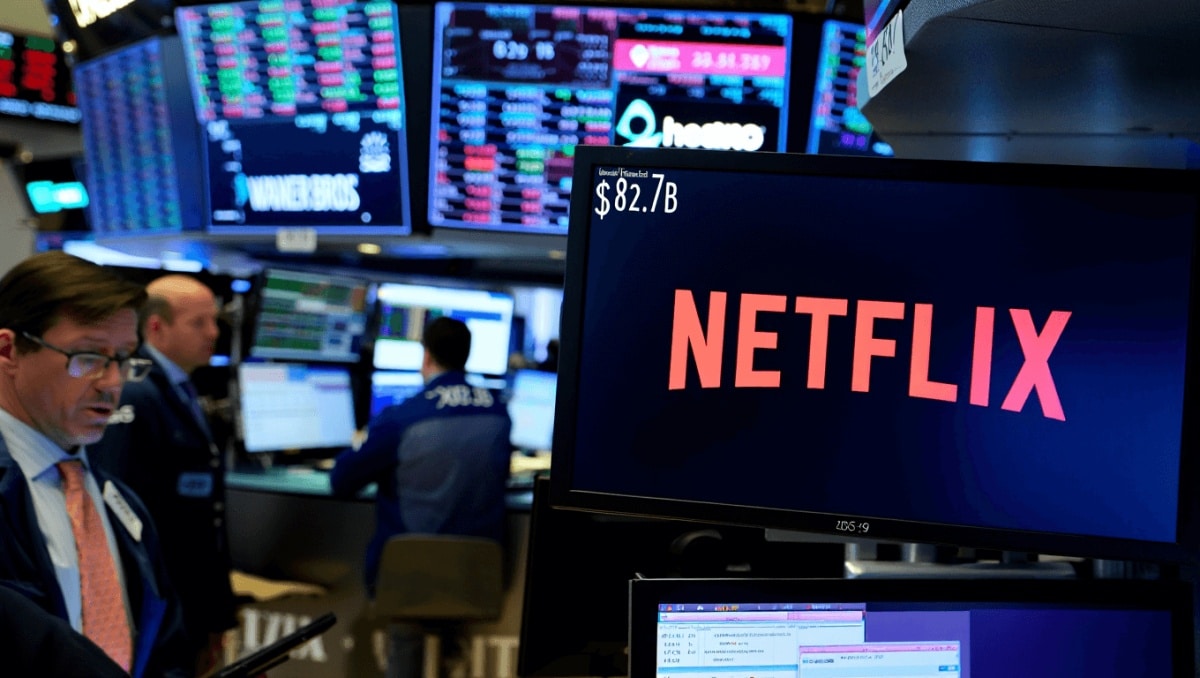
Netflix stunned the entertainment world with a blockbuster offer to acquire Warner Bros.’ studio and streaming operations, setting off a scramble across Hollywood, Wall Street and the regulatory corridors in Washington. The proposal combines vast content libraries, iconic franchises and a pledge to preserve theatrical releases — but it also raises fierce objections from theater owners and industry groups.
Deal basics: price, financing and the breakup penalty
Netflix unveiled a proposal that values the target at about $82.7 billion. The company lined up roughly $59 billion in financing from a banking consortium to back the bid.
Nas slams music industry over disrespect: teases new music, vows to address it
1992 vocal performances: 3 jaw-dropping moments that still amaze
- Shareholders of Warner Bros. Discovery would receive $23.25 in cash plus $4.50 in Netflix stock per share.
- The transaction includes a $5.8 billion breakup fee if the deal does not close.
- WBD plans to spin out its linear networks business, including CNN and other channels, with that separation targeted for the third quarter of 2026.
Netflix’s pledge for Warner Bros. operations and the theatrical business
Netflix says it will keep Warner Bros. running much as it is now. The company has stated it will continue releasing films theatrically and maintain studio operations.
Details on distribution windows and release strategies remain limited. Theater owners worry that Netflix’s core streaming model could alter how movies reach cinemas if the merger proceeds.
Leadership message: why Netflix thinks the deal makes sense
Netflix executives framed the move as a rare chance to marry the streamer’s global audience with Warner’s storied franchises and production resources.
- They argue the combined company could offer more paths for creators and expand consumer choice.
- Management projects cost synergies and improved economics from integrating content and production scale.
Netflix leaders positioned the offer as strategic and long-term, saying the acquisition would accelerate growth and broaden the company’s creative slate.
Analysts weigh in: content, IP and competitive fallout
Wall Street analysts have largely focused on the content advantage the deal offers Netflix.
- Fresh, high-profile releases drive a disproportionate share of viewing on streaming platforms.
- Acquiring Warner’s catalog brings coveted intellectual property, including major franchises and HBO’s prestige library.
- Some experts warn the move could reshape the mid-tier studio landscape and pressure rivals to consolidate or exit.
Analysts highlight IP such as DC properties, Harry Potter and Lord of the Rings as long-term assets that can be monetized across formats.
Hollywood response: studios, theater chains and guilds react
The reaction in the industry was swift and mixed.
- Cinema owners warned the acquisition threatens theatrical exhibition globally and called for careful regulatory review.
- Industry guilds expressed concern about potential impacts on creators and the production ecosystem.
- Some entertainment executives see opportunity, citing access to larger audiences and deeper development resources.
Theatre groups argue Netflix’s typical distribution model clashes with the economics of big-screen exhibition.
Regulatory landscape: anticipated hurdles and scrutiny
Regulators are likely to scrutinize the deal closely because it concentrates content ownership and global distribution scale in one company.
Key points of investigation could include:
- Whether the combined entity would limit competitors’ access to key titles.
- How theatrical release windows and licensing arrangements would change.
- Potential consumer harm from reduced marketplace competition.
Although spinning off linear networks might address some concerns, antitrust authorities typically examine market power across multiple fronts.
Potential consequences for audiences, creators and competitors
If approved, the transaction could reshape how stories are financed, produced and delivered.
- Viewers may gain easier streaming access to major franchises.
- Creators could see expanded opportunities to work on big IP at scale.
- Competitors may face intensified pressure, prompting further consolidation in the media sector.
The outcome will hinge on regulatory rulings, courtroom fights and negotiations with partners across the industry.










