
Show summary Hide summary
- Big scenery, small scope: how setting and runtime clash
- Two commanding leads carry most of the weight
- Story DNA: Sutter’s fingerprints and genre echoes
- Pacing and structure: why the finale feels abrupt
- What the series does well — and where it falters
- Found family at the heart — not always convincingly explored
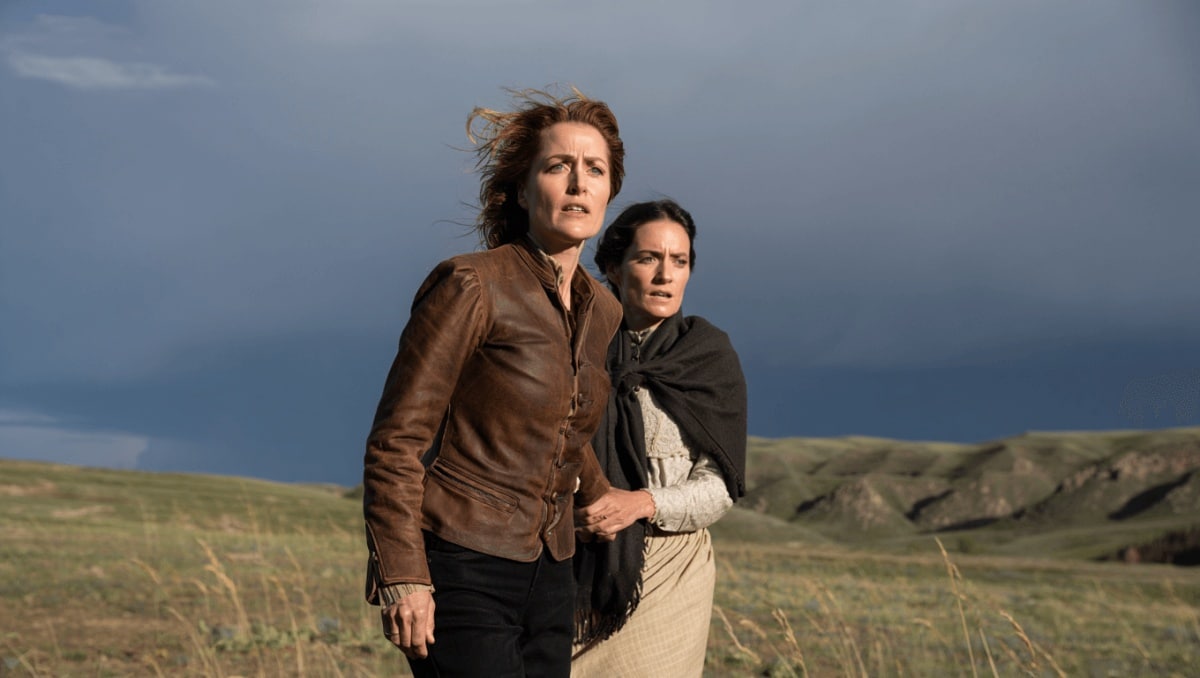
Netflix’s new Western, The Abandons, maps wide, wind-swept landscapes but delivers a surprisingly spare story. Shot in Alberta and set in 19th-century Washington, the show flashes cinematic vistas while compressing plot and character into short, often abrupt episodes. That contrast makes the series feel unfinished, even before you learn about behind-the-scenes turmoil.
Big scenery, small scope: how setting and runtime clash
The production leans hard on panoramic shots and frontier dust. Yet many episodes run closer to half an hour than an hour. The result is a curious mismatch. The world around the characters feels vast. The storytelling does not.
Nas slams music industry over disrespect: teases new music, vows to address it
1992 vocal performances: 3 jaw-dropping moments that still amaze
- The series was filmed in Alberta but set in the rough territory of 19th-century Washington.
- Episodes were pared down from an original order, which affects pacing.
- Large-scale visuals often outpace the series’ ability to develop plotlines.
Visually ambitious, narratively compressed is the short version. The show knows how to frame a landscape. It struggles to fill it with consistent storytelling.
Two commanding leads carry most of the weight
At the center are two formidable performers. Gillian Anderson plays Constance Van Ness, a widowed mining magnate with a cold, calculating edge. Lena Headey portrays Fiona Nolan, a devout Irish matriarch protecting a makeshift family. Both actors deliver forceful, often menacing turns.
Their confrontations are the series’ key selling points. Anderson and Headey get enough scenes to spar, rant, and intimidate. Those sequences showcase the show at its most alive. Still, the emphasis on the antiheroines comes at the expense of the ensemble around them.
Supporting cast: uneven focus and missed chances
- Dahlia (Diana Silvers) is central to the conflict but rarely given texture beyond being a victim of violence.
- Elias (Nick Robinson) follows a predictable Romeo-and-Juliet arc with Constance’s daughter Trisha.
- Albert (Lamar Johnson) receives a spotlight episode that reveals more promise than the show sustains.
- Lilla Belle (Natalia del Riego), a Native character, remains the most enigmatic and underused among the group.
The ensemble’s origins and bonds are teased but not fully explained. That lack of depth leaves emotional payoffs feeling incomplete.
Story DNA: Sutter’s fingerprints and genre echoes
Kurt Sutter’s influence is visible in the series’ appetite for family feuds and brutal confrontations. The show channels a Sutter-esque willingness to show graphic violence. It also borrows the moral and economic spel of classic Western dramas.
Viewers may notice nods to shows like Deadwood and Godless. Constance appeals to civic progress while hoarding power for herself, a dynamic that echoes historic robber-baron influence. The series substitutes Cornelius Vanderbilt for other Gilded Age figures as a funding source. That choice frames the show’s tensions between wealth, influence, and frontier law.
A baffling cameo — comedian Patton Oswalt as the town mayor — gets cut short by an abrupt and grisly event. That moment reflects the series’ thrill for shock, but it also underlines how sudden shifts interrupt long-form development.
Pacing and structure: why the finale feels abrupt
Production reports say the show lost its creator before filming ended and saw its episode count reduced. That turmoil shows. Scenes that should breathe feel rushed. Subplots begin and then sputter out.
- Episodes often feel like extended sketches, not full chapters.
- Key relationships are hinted at but seldom explored to conclusion.
- The season finale cuts off so suddenly viewers might expect missing episodes.
Short runtimes and a shrunken episode order contribute to an unsettled arc. The show’s momentum builds only to stop without the closure many scenes seem to demand.
What the series does well — and where it falters
- Strength: Strong leads who dominate scenes and elevate weak material.
- Strength: Striking cinematography that sells the mythic West.
- Weakness: Uneven character development across the ensemble.
- Weakness: Abrupt plotting and a truncated season that undercuts narrative payoff.
- Weakness: Occasional reliance on shock violence without thematic follow-through.
Found family at the heart — not always convincingly explored
The title points to an informal family of outcasts trying to stake a claim in a raw town. That idea has potential as a revisionist Western theme. But the series rarely commits to showing how this makes the group distinct. Moments of tenderness or shared history are mostly implied, not dramatized.
That leaves the core concept feeling more like a promising sketch than a fully realized world. Still, the central rivalry and the performances of Anderson and Headey provide scenes worth watching.
All seven episodes of The Abandons are currently streaming on Netflix.










