
Show summary Hide summary
- How the new series rewrites Spartacus lore
- Cast and characters driving the drama
- Episode structure and pacing to expect
- New alliances, brutal fights and an unexpected gladiatrix
- Sex, violence and the show’s signature shock value
- Political games in Capua and the shadow of Rome
- Themes: betrayal, class conflict and survival instincts
- When and where to watch
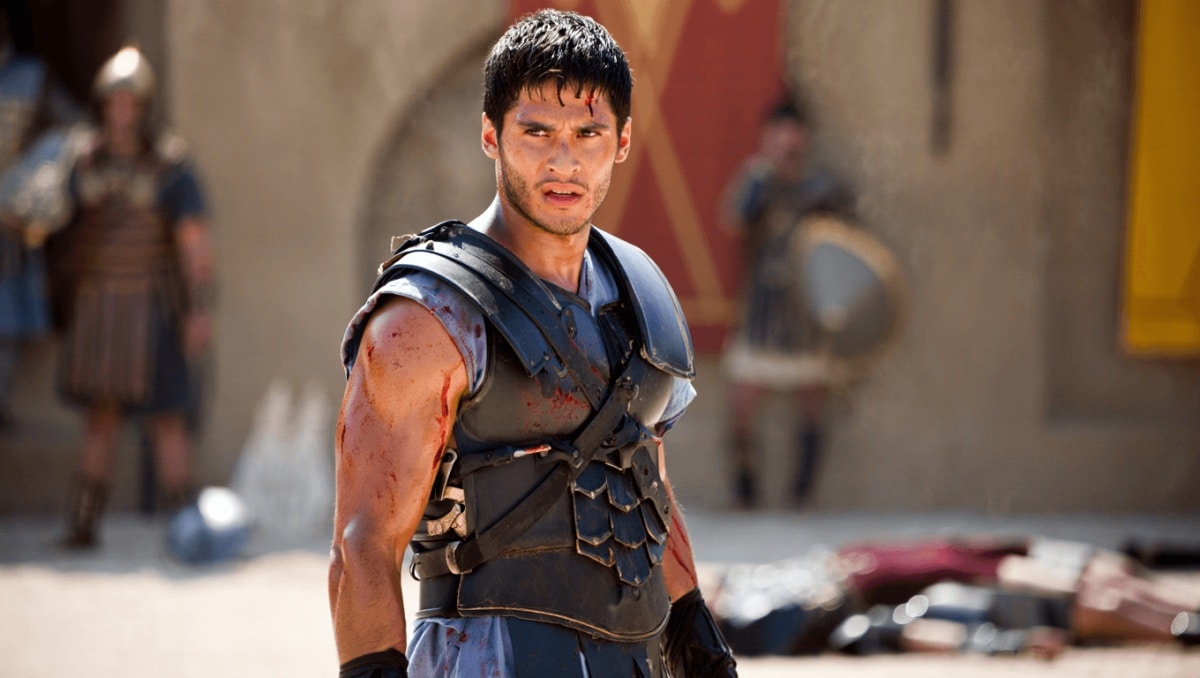
Fifteen years after the original Spartacus saga captivated TV audiences, creator Steven S. DeKnight returns to Capua with a bold alternate tale. Spartacus: House of Ashur flips the familiar ending and centers on a man once scorned by the arena, now clutching power he never expected. The result is a brazen mix of politics, blood, and lust that asks what happens when a traitor survives to claim his prize.
How the new series rewrites Spartacus lore
The premise departs from the earlier shows and imagines a different fate for Ashur. Instead of dying on Mount Vesuvius, the Syrian gladiator betrays Spartacus and receives Roman favor. That single decision reshapes the balance of influence in Capua.
Nas slams music industry over disrespect: teases new music, vows to address it
1992 vocal performances: 3 jaw-dropping moments that still amaze
- Ashur becomes the founder of his own gladiator house.
- He gains the patronage of his old master, Batiatus, and a fragile social standing.
- The show explores the consequences of climbing to privilege through treachery.
Cast and characters driving the drama
Many familiar faces return, while new players bring fresh friction. Nick E. Tarabay reprises Ashur and leads a cast that pushes the series toward new territory.
- Ashur — Nick E. Tarabay: a schemer rewarded by Rome, desperate to hold his place.
- Spartacus — legacy performances by Andy Whitfield and Liam McIntyre anchor the backstory.
- Batiatus — the patron who benefits from Ashur’s rise.
- Korris — played by Graham McTavish, the Doctore who trains new fighters.
- Tarchon — Jordi Webber as an ambitious gladiator seeking glory.
- Achillia — Tenika Davis, a fierce new gladiatrix whose capture sparks conflict.
- Supporting roles include Jamaica Vaughan, Ivana Baquero, Andrew McFarlane, Claudia Black, Jackson Gallagher, and Jamie Slater.
Episode structure and pacing to expect
The first season spans ten episodes. Critics were shown five in advance, and the premiere opens with a striking dreamlike scene. From that point, the series quickly tilts from spectacle to strategy.
- The show alternates arena spectacle with scheming in the villas of Capua.
- Character-driven arcs push personal ambition into violent action.
- Key episodes pivot on betrayals that change who holds power.
New alliances, brutal fights and an unexpected gladiatrix
Ashur’s attempt to elevate his house hinges on recruiting new fighters. His choices unsettle gladiators and patrons alike. The capture of a resilient woman at the slave docks alters his plans.
- Ashur buys a chained woman whose combativeness catches his eye.
- He renames her Achillia and insists Korris train her as a gladiatrix.
- The decision sparks horror among traditionalists and reshapes the roster of fighters.
Sex, violence and the show’s signature shock value
Spartacus: House of Ashur wears its roots proudly. Explicit sex and brutal violence remain central to the storytelling. These elements are not mere decoration; they drive character choices and political gambits.
Expect graphic combat, nudity, and scenes that test the viewer’s tolerance. Episode 2, titled “Forsaken,” contains a sequence likely to unsettle many viewers.
Political games in Capua and the shadow of Rome
Beyond the arena, the series tracks intrigue in the halls of power. Ashur must navigate status, envy, and the fickle favor of elite patrons.
- He courts Senator Gabinius in hopes of securing influence.
- Gabinius’s wife, Cossutia, openly scorns Ashur and undermines him.
- The arrival of juvenile politicians from Rome—among them a young Julius Caesar and his wife—adds new threats.
Themes: betrayal, class conflict and survival instincts
At its core, this season examines the costs of upward mobility achieved through treason. Ashur’s arc explores whether a man forged in the arena can ever be fully accepted by Rome’s upper crust.
- Power is shown as both intoxicating and isolating.
- Characters make ruthless choices to protect fragile status.
- The series highlights the social gap between owners and the enslaved.
Why the focus on unlikely protagonists matters
DeKnight shifts the spotlight from the familiar champion to two unconventional leads. Ashur and Achillia offer a study in contrast: one clings to deceitful advantage, the other is forced into a brutal new life.
Their survival strategies drive much of the plot. Rivals will stop at nothing to topple them.
When and where to watch
Spartacus: House of Ashur premieres Dec. 5 on Starz. New episodes are released weekly on Fridays.










