
Show summary Hide summary
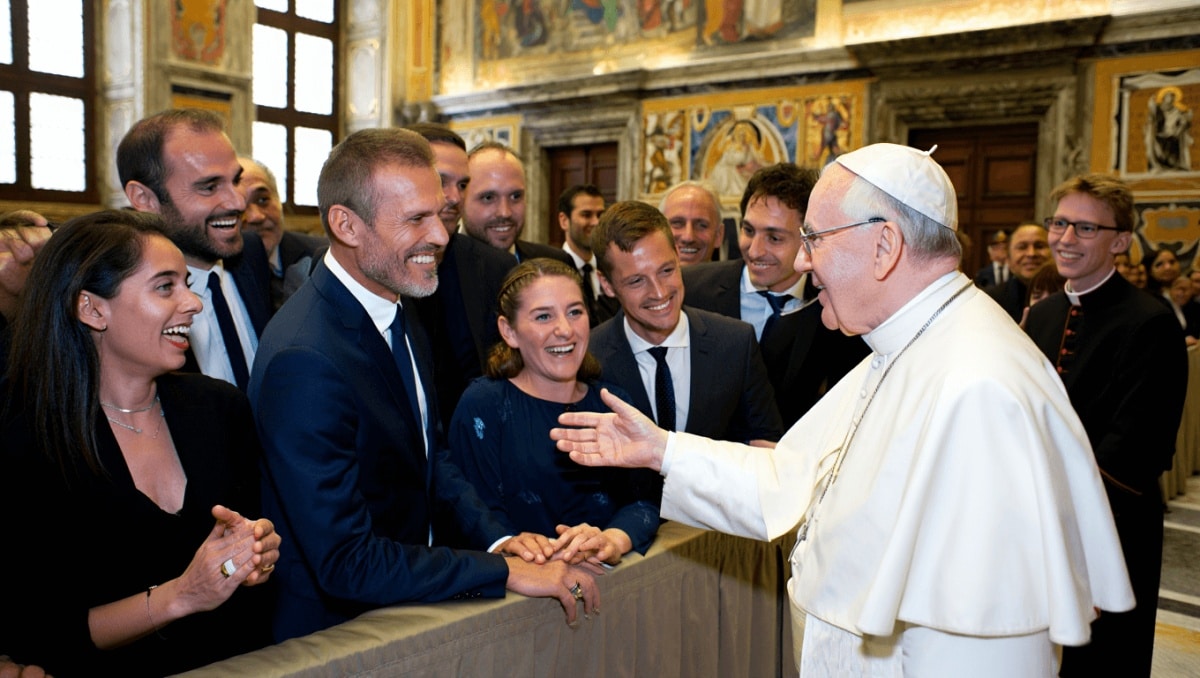
The Vatican drew a crowd of movie people and reporters as Pope Leo welcomed actors and directors to discuss cinema’s role in public life. The pontiff used the meeting to emphasize art’s power to probe sorrow and hope. He also surprised attendees by naming four films that have stayed with him.
Vatican meeting brings film industry into dialogue
The event included familiar faces from Hollywood and international cinema. Among those at the Vatican were Cate Blanchett, Chris Pine, Spike Lee, Viggo Mortensen, and Monica Bellucci. Organizers said the aim was to “deepen dialogue with the world of cinema.”
Nas slams music industry over disrespect: teases new music, vows to address it
1992 vocal performances: 3 jaw-dropping moments that still amaze
Reporters noted the setting: a formal room, soft light, and a mix of reverence and curiosity. For the pontiff, the encounter was part cultural exchange, part pastoral outreach.
Pope Leo’s four personal film picks
Rather than choosing art-house provocations, the pope pointed to four widely known films. Each title combines entertainment with moral or emotional weight. He said these movies stayed with him because they explore loss, hope, courage, and imagination.
- The Sound of Music (1965) — The classic family musical starring Julie Andrews. The pope praised its songs, warmth, and the Trapp family’s escape from Nazi-occupied Austria. He noted the film’s blend of melody and moral daring.
- It’s a Wonderful Life (1946) — Frank Capra’s postwar drama about a man who doubts his value. The pontiff pointed to the film’s central idea: a single life affects many others. He singled out the guardian angel’s lesson about human connection.
- Ordinary People (1980) — Robert Redford’s intimate portrait of grief and family conflict. The pope referenced the film’s honest handling of pain and therapy, and how it faces the fragility of everyday lives.
- Life Is Beautiful (1997) — Roberto Benigni’s tragicomic tale set during the Holocaust. The pope highlighted the father’s attempt to shield his son with humor, while acknowledging the film stirred debate about comedy in the face of atrocity.
What the selection reveals about faith and film
These choices reflect a preference for narratives that balance darkness and consolation. Each movie stages a moral test: oppression, suicidal despair, familial trauma, and survival under atrocity.
Common threads across the films
- Resilience in the face of trauma
- Small acts that change lives
- Humor used as protection or resistance
- Faith, whether religious or human, as an anchor
The pope’s list highlights how popular cinema can carry deep ethical questions. He appears interested in films that make viewers wrestle with suffering but also point toward compassion.
Debate and defense: why some picks are controversial
Not every critic agreed with every choice. Life Is Beautiful has long been debated. Some argue its comic tone risks trivializing history.
Supporters counter that the film aims to preserve a child’s innocence amid horror. Benigni himself has described laughter and tears as close expressions of the same inner life.
Voices at the Vatican: filmmakers and actors respond
Guests listened and then spoke about cinema’s social role. Directors discussed the responsibility to depict truth, while actors reflected on stories that shaped their craft.
- Cate Blanchett and others emphasized storytelling’s capacity to foster empathy.
- Spike Lee noted that film can challenge injustice and provoke reform.
- Performers and directors agreed on one point: movies can be spiritual without being religious.
The cultural ripple: what to expect next
The meeting signaled an ongoing outreach between the Holy See and creative communities. The film world left with a prompt to consider how its narratives touch public conscience.
Pope Leo’s public list will likely spark conversation about art, memory, and moral seriousness in cinema. The encounter itself may lead to further talks and collaborative events between filmmakers and Vatican representatives










