
Show summary Hide summary
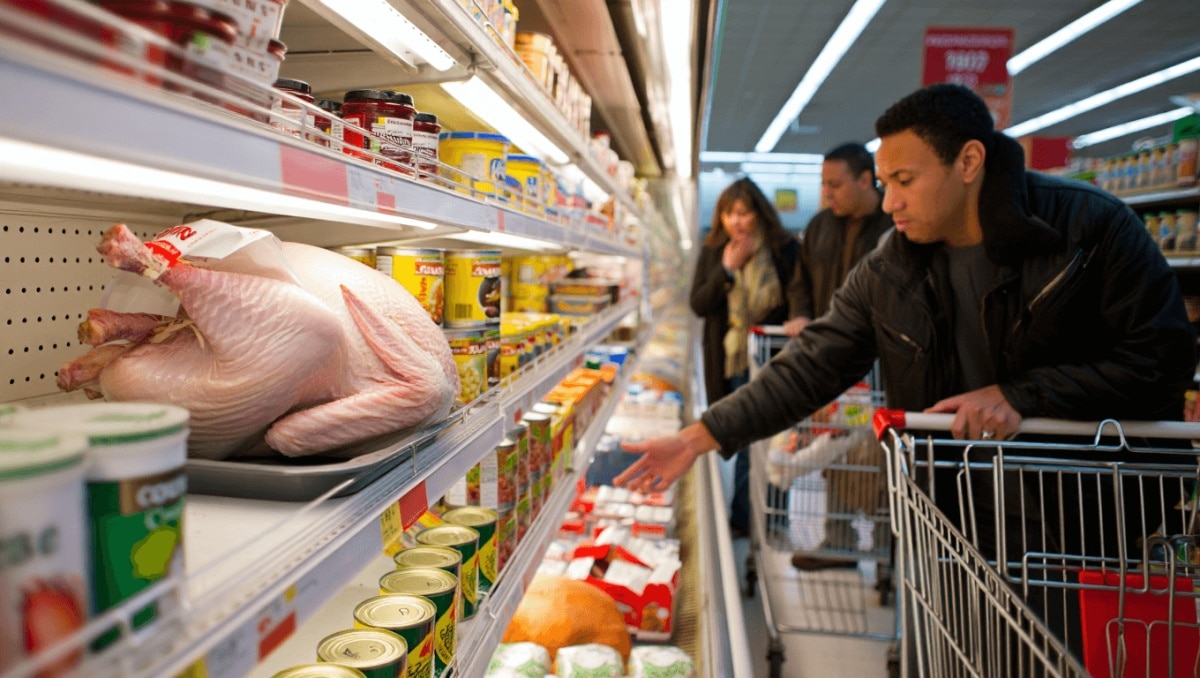
Shoppers heading into the holiday season should brace for higher costs at the grocery store. Key staples for Thanksgiving are more expensive this year, driven by disease outbreaks in poultry, stronger demand, and higher packaging costs tied to tariffs.
Turkey prices soar as bird flu and demand tighten supply
Wholesale turkey costs have climbed about 40% year‑over‑year, according to U.S. Department of Agriculture figures. Outbreaks of avian influenza forced producers to cull flocks and reduced available supply.
Nas slams music industry over disrespect: teases new music, vows to address it
1992 vocal performances: 3 jaw-dropping moments that still amaze
With fewer birds on the market, retailers face higher procurement costs. That pressure is being passed to consumers at the counter, making the traditional centerpiece of the holiday table notably pricier.
Proteins and pantry staples: where costs are rising
Numbers to watch
- Beef prices up nearly 15% from last year, per Bureau of Labor Statistics data.
- Canned vegetables roughly 5% more expensive than a year ago.
- Domestic wine is down about 1.2% compared with last year.
- Egg prices have eased since peaks earlier this year.
Higher beef costs reflect broad food inflation and stronger consumer demand. For canned goods, packaging expenses rose after tariffs on steel and aluminum increased input costs for cans and lids.
Tariff rollbacks aim to ease grocery pain, but relief may be limited
The administration announced reductions in tariffs on several food items, including beef, coffee and some tropical fruits. The goal is to relieve pressure on supermarket prices.
Michigan State food economist David Ortega says removing these duties will not magically lower retail prices overnight. Instead, he notes the change should slow the rate of price increases and help moderate future hikes.
Practical shopping moves to reduce holiday bills
Consumers can still limit how much they spend with a few targeted steps. Ortega recommends planning and making choices that avoid tariff-driven costs.
- Choose fresh produce over canned when possible to skirt higher aluminum costs.
- Plan your menu in advance and make a strict shopping list.
- Prefer store brands or private labels instead of national brands.
- Shop early for key items to catch promotions and avoid last‑minute premium pricing.
- Avoid impulse buys by sticking to your list and budget.
Market context: supply, demand and consumer behavior
Food prices are shaped by multiple forces at once. Disease outbreaks, production costs, tariffs and consumer demand all interact to push prices up or down.
Even when policy changes reduce one cost factor, other pressures can keep retail prices elevated. Retailers and distributors need time to adjust contracts and inventories before shoppers see significant relief.










