
Show summary Hide summary
- Why Hawes and Highmore keep viewers watching
- Plot setup: a thin hook stretched across six episodes
- Supporting cast and guest turns that add flavor
- Action direction: two standout sequences and otherwise modest thrills
- Character work: two well-drawn leads, many undeveloped faces
- Visual style and location work that seduce the eye
- Who will enjoy this hitwoman dramedy
- What the Williams brothers deliver and where the show falters
Bright locations, two charismatic leads and a premise that promises danger: AMC+’s The Assassin arrives as a glossy, crowd-pleasing mix of humor and violence. The show leans hard on its stars, Keeley Hawes and Freddie Highmore, and on sunlit European backdrops to carry a season that sometimes feels lighter on plot than on style.
Why Hawes and Highmore keep viewers watching
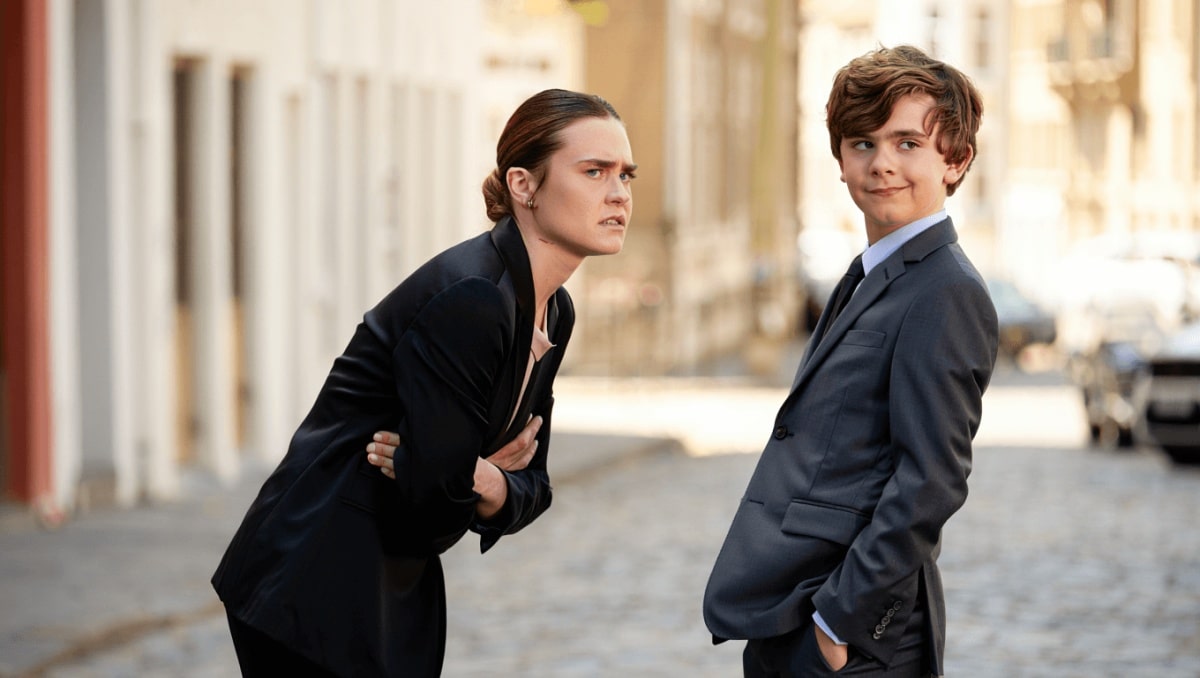
Keeley Hawes plays Julie, a retired contract killer trying to live quietly on a Greek island. Freddie Highmore is Edward, her long-estranged son, drawn back into her orbit. Their chemistry is the main engine of the series.
Nas slams music industry over disrespect: teases new music, vows to address it
1992 vocal performances: 3 jaw-dropping moments that still amaze
- Hawes brings physicality and believable toughness to the role. She handles fight scenes and firearm sequences with convincing ease.
- Highmore offers comic vulnerability and awkward charm. He sells the emotional beats, even when the script gives him little to work with.
When the two share a scene, the show finds its center. Small moments — a terrified ride on a motorcycle, a flustered conversation — land because of the actors.
Plot setup: a thin hook stretched across six episodes
The core idea is simple: Julie has left killing behind, but a lucrative contract pulls her back. Her hesitance triggers a chain of violent events. Edward, nominally a journalist, returns with news and becomes entangled with his mother’s past.
How the story moves
- Act one: a striking opening sequence sets the tone.
- Act two: an attempted hit ignites chaos on the island.
- Act three: characters scatter across Europe, from Greece to Albania and snapshots of France and London.
The narrative favors movement over depth. Characters often serve the plot rather than drive it. That approach keeps pace brisk, but it can leave motivations unclear.
Supporting cast and guest turns that add flavor
Several actors pop in for strong, if brief, appearances. Their performances lift scenes that might otherwise feel perfunctory.
- Gina Gershon plays Marie, an eccentric link to Edward’s missing father. Her subplot includes an oddly specific interest in manga.
- Alan Dale and Devon Terrell play corporate siblings whose wealth propels much of the conflict.
- Jack Davenport and Richard Dormer deliver memorable single-episode turns, leaning into charm and menace respectively.
These guests provide texture. They do not, however, fully compensate for the thinness of some central arcs.
Action direction: two standout sequences and otherwise modest thrills
Director Lisa Mulcahy stages the show’s best set pieces. The pilot’s early raid and a chaotic wedding shootout are the most effective sequences. They combine choreography and tension with clear visual storytelling.
- Opening raid: sharp, efficient and tense.
- Wedding set piece: dramatic and stylish, with strong editing.
- Other action moments: serviceable but less memorable.
The series hooks attention with a few high points. After that, action becomes routine rather than surprising.
Character work: two well-drawn leads, many undeveloped faces
Julie and Edward receive the most development. Other characters rarely gain enough detail to feel real. This imbalance produces scenes where choices feel arbitrary.
- Kyd’s town butcher floats between comic relief and a mysterious past, but never fully lands.
- Kayla, the supposed “good” sibling, wears a job title that the script uses as shorthand for virtue.
- Ezra is presented as affable and physically imposing, yet largely negligible to the emotional core.
When characters lack motives, plot points register as set pieces instead of natural decisions. The result is dramatic movement without clear personal stakes.
Visual style and location work that seduce the eye
The show’s production design is a reliable asset. Sunlit Greek islands, verdant hills and gleaming yachts give each scene a postcard quality. European urban landscapes feel distinct and lived-in.
- Island homes and coastlines look authentic and luxurious.
- City streets in Albania and France provide texture.
- Costume and set choices consistently support the tone.
If you watch The Assassin for scenery, you will likely be pleased. The series often substitutes visual appeal for narrative invention.
Who will enjoy this hitwoman dramedy
The Assassin works best for viewers who prioritize star turns and travelogue visuals. Fans of Hawes and Highmore will find a lot to like. Genre fans seeking tightly plotted twists might be less satisfied.
- Recommended for: viewers who enjoy character chemistry and polished locales.
- Less suitable for: audiences wanting dense plotting or moral interrogation.
What the Williams brothers deliver and where the show falters
Harry and Jack Williams are skilled at creating intriguing concepts. Here they provide a watchable premise and strong casting. Yet, in execution, the series sometimes feels like a sequence of attractive set pieces.
- Strengths: casting, lead performances, cinematography.
- Weaknesses: underdeveloped supporting roles, occasional plot thinness, sparse motivations.
The Assassin is entertaining but rarely demands deep engagement. It favors style and charm over sustained narrative complexity.










