
Show summary Hide summary
- How a Meyers Monologue Turned into a Political Firestorm
- Trump’s Response and a Call for Action
- FCC Chair Brendan Carr Amplifies the Post
- Legal Limits on FCC Control Over Speech
- Industry Context: Mergers, Ownership and Potential Influence
- Recent Decisions and Media Fallout
- Reactions From Advocates and Newsrooms
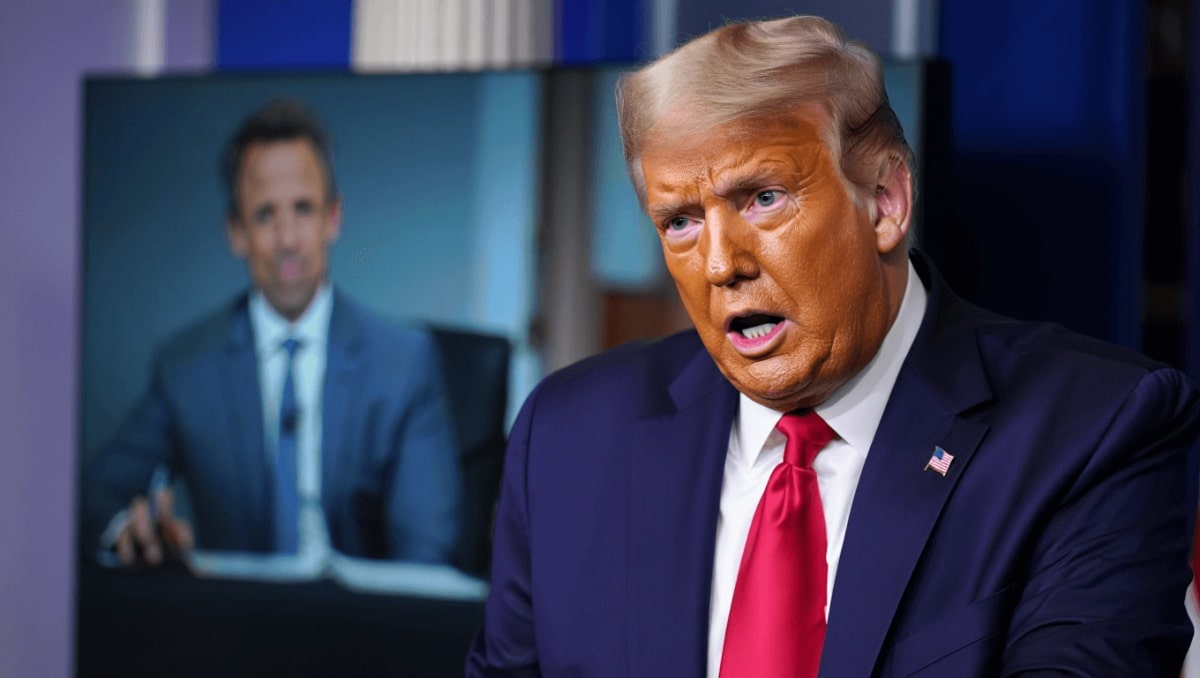
Late-night comedy and Washington politics collided again this week when NBC’s Seth Meyers mocked former President Donald Trump. The exchange escalated from TV monologue to presidential posts and a high-profile regulator amplifying the attack, raising questions about free speech and the boundaries of federal influence over media.
How a Meyers Monologue Turned into a Political Firestorm
Seth Meyers has long made former President Trump a target of his monologues. Recent jokes referenced slipping Republican enthusiasm for Trump and the president’s remarks about a shortage of skilled workers for some jobs.
Nas slams music industry over disrespect: teases new music, vows to address it
1992 vocal performances: 3 jaw-dropping moments that still amaze
The segment sparked a public response from the former president within hours.
Trump’s Response and a Call for Action
On his social platform, the ex-president criticized Meyers, blamed low ratings, and urged NBC to dismiss him. The message framed the host as dangerously biased.
The post did not stop at criticism. It included calls for immediate personnel action at NBC.
FCC Chair Brendan Carr Amplifies the Post
Shortly after, Brendan Carr, chair of the Federal Communications Commission, reshared the president’s message on X.
The move drew swift attention because the FCC is the federal agency that oversees broadcast licensing and enforces limited content rules.
Legal Limits on FCC Control Over Speech
The FCC can enforce indecency rules and approve corporate transactions. Still, its power to police political content is constrained by the First Amendment.
Experts point out that the government cannot broadly regulate commentary, jokes, or editorial lines on television.
What legal experts and advocates said
- Consumer advocates warned Carr’s repost misrepresents FCC powers and risks pressuring outlets on political grounds.
- Free-speech defenders argued the government should not push platforms or broadcasters to silence comedians.
- Former lawmakers stressed that commentary—whether funny or offensive—is protected political speech.
Industry Context: Mergers, Ownership and Potential Influence
The FCC also reviews big media mergers. That role places the agency at the center of corporate consolidation and political scrutiny.
NBC’s Late Night with Seth Meyers is owned by NBCUniversal, a Comcast company. Comcast is among firms reportedly interested in bidding for Warner Bros. Discovery.
Those impending deals could draw attention from any administration monitoring media ownership.
Recent Decisions and Media Fallout
After public pressure aimed at other hosts, CBS announced the end date for The Late Show with Stephen Colbert, set for May 2026. The network framed the move as financial.
Observers note the timing followed public criticism of Colbert by the same political figures.
Reactions From Advocates and Newsrooms
Responses ranged from alarm to defense. Advocacy groups said regulators must not be used to intimidate the press.
One former congressman and persistent free-speech advocate emphasized that government actors should not pressure companies over jokes or commentary.
NBCUniversal and the FCC were contacted for comment by news outlets covering the dispute.











