
Show summary Hide summary
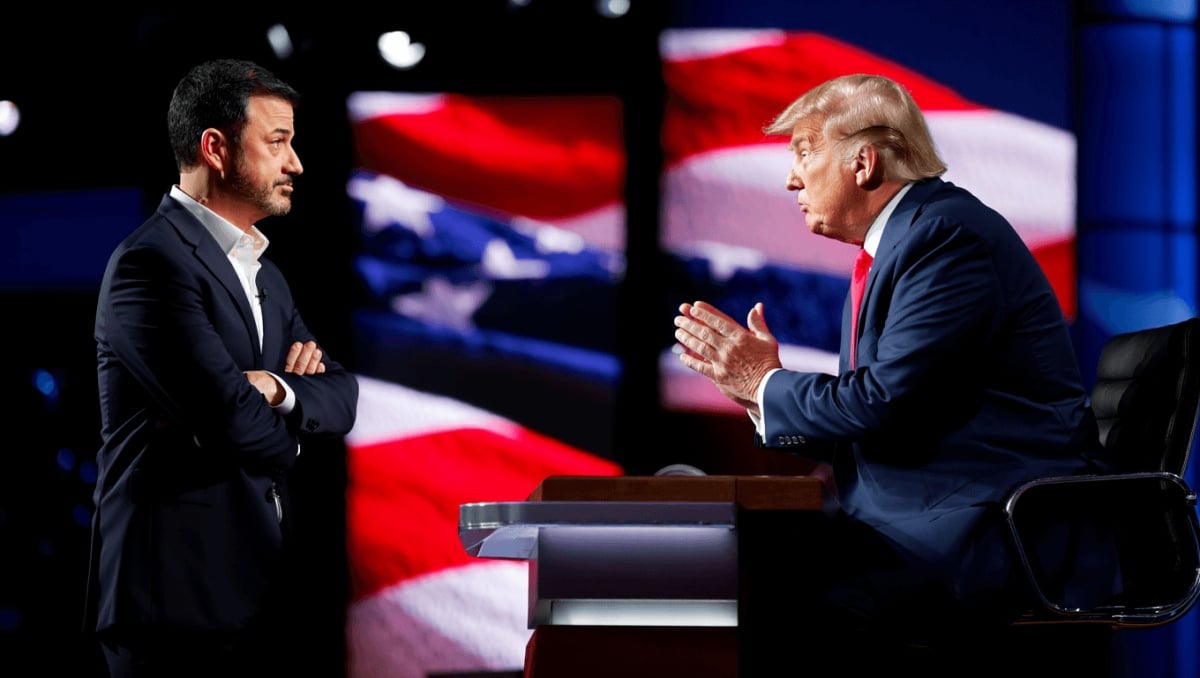
ABC pulled Jimmy Kimmel’s late-night program from the schedule “indefinitely” after federal pressure mounted over a monologue he delivered about the suspect arrested in the killing of right-wing podcaster Charlie Kirk. The move has sparked heated debate about censorship, broadcaster influence, and the boundaries between comedy and commentary.
How the suspension unfolded and who pushed for it
Executives at ABC removed Kimmel’s show after the Federal Communications Commission applied pressure following his remarks. The network’s decision came amid a threat by Nexstar, the largest U.S. station owner, to preempt the broadcast.
Nas slams music industry over disrespect: teases new music, vows to address it
1992 vocal performances: 3 jaw-dropping moments that still amaze
- Nexstar warned it might not air the episode, citing concerns tied to the monologue.
- The company is awaiting FCC approval for a multibillion-dollar acquisition, a detail that added political and economic weight to the dispute.
- ABC signaled it wants the issue resolved and hopes to restore the program, but for now the hiatus remains in place.
What Kimmel said and why it ignited controversy
During a recent monologue, Kimmel accused supporters of former President Donald Trump of trying to reframe the suspect in the Kirk killing to avoid political responsibility. Many viewers interpreted the comments as labeling the shooter as aligned with the right.
Late-night monologues often mix humor and opinion. Still, it is rare for a comedian to be taken off the air over a single segment. The action stands out as a sharp response from regulators and corporate partners.
From frat-house gags to emotional political witness
Kimmel’s career arc helps explain why his words carry weight. He began life in television as an affable everyman, a comic presence on shows like Win Ben Stein’s Money and The Man Show. Those early roles leaned on crude jokes and a blue-collar persona.
When he launched Jimmy Kimmel Live! on ABC, he softened the boorish edges and largely steered clear of serious politics. His recurring bits—like a running gag about Matt Damon—kept the tone light and mainstream.
Turning points that made Kimmel political
- 2017: His newborn son’s serious heart condition prompted a heartfelt plea about health care. The moment moved him into political commentary.
- The same year, a mass shooting in his hometown prompted emotional criticism of leaders and gun policy.
- Those moments shifted public perception: a comedian who once traded in shock humor became a visible critic on policy and leadership.
Past controversies, apologies, and public forgiveness
Kimmel has weathered backlash before. Some sketches and bits from his early work drew later outrage. He publicly apologized for past blackface sketches and has largely avoided lasting professional damage.
- Old Man Show sketches that now read poorly did not end his career.
- His apology in 2020 over offensive material was accepted by many viewers and peers.
- These episodes helped him craft an image of someone who evolved publicly.
Political pressure, free speech, and the stakes for broadcasters
The suspension highlights a tense overlap of politics, media ownership, and regulatory power. Public officials have targeted celebrity critics before. In 2018, the Trump administration reportedly pressed Disney executives over critical material.
Last year, the president publicly criticized Kimmel’s ratings and talent. Now, critics say the current outcome shows how government influence and corporate interests can combine to silence a high-profile voice.
What media-watchers are watching next
- Whether ABC negotiates with station groups and regulators to return the show.
- How other late-night hosts respond on air and whether networks take preemptive editorial steps.
- The long-term implications for political commentary in entertainment spaces.
For many observers, the episode is less about a single joke than about the moment it reveals: the fragile line between satire and reporting, and the pressure points where media, politics, and corporate deals meet. The dispute over Kimmel’s comments has become a test case for how far influence can reach when regulators, owners, and the White House intersect in matters of speech.










