Show summary Hide summary
The 1990s are often remembered for grunge, Britpop, and hip-hop clashes, but the decade quietly nurtured a vibrant prog-rock underground. Between festival tents and independent labels, a handful of bands kept improvisation, studio ambition, and spacey textures alive. Below are three albums from that era that helped reshape progressive rock for a new generation.
Ozric Tentacles — Strangeitude: Psychedelic instrumentals from the British underground
Released in 1991, Strangeitude pushed Ozric Tentacles further into the public eye without a major-label push. Led by guitarist Ed Wynne, the band relied on festival circuits and fan networks to build a devoted audience.
Nas slams music industry over disrespect: teases new music, vows to address it
1992 vocal performances: 3 jaw-dropping moments that still amaze
- Label and scene: Issued on Dovetail Records at a time when the band managed their own path.
- Sound: A blend of space-rock, trance rhythms, and extended instrumental jams.
- Notable single: “Sploosh!” climbed the U.K. Indie Chart, reaching the top 10.
Critics and listeners often call Strangeitude one of the more accessible Ozric records. The album trades some of the band’s more outlandish experiments for focused, groove-forward tracks. Fans praise the record as a gateway into the group’s catalog. Detractors, meanwhile, say one album captures the essence and more is optional. Regardless, Strangeitude remains a landmark for independent prog acts in the 90s.
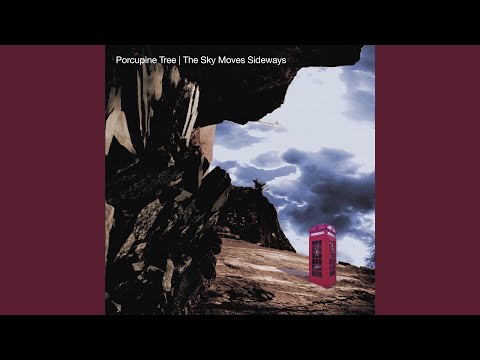
Porcupine Tree — The Sky Moves Sideways: Ambitious atmospheres meet band collaboration
By 1995, Porcupine Tree had evolved from a solo studio project into a full band. The Sky Moves Sideways marked the moment Steven Wilson invited other players to shape a larger sonic world.
- First major U.S. push: This album was the band’s first widespread American release.
- Band dynamic: For the first time, the record reflects collective interplay rather than a single auteur.
- Reissue details: A 2004 remaster expanded the album to roughly 109 minutes and included an alternate continuous version.
Reviewers frequently drew parallels to classic Pink Floyd, citing the album’s sweeping moods and bookending structure. The record reads like two long movements stitched together. Many listeners note a tentative but exciting chemistry, as members learned to lock in with one another. The Sky Moves Sideways stood as a bridge between 70s prog aesthetics and 90s production values.
Key tracks and listening tips
- Listen to the opening and closing pieces back-to-back for the full experience.
- Try the remastered edition if you want the extended alternate mix.
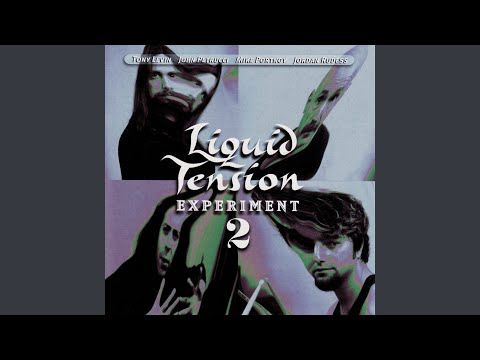
Liquid Tension Experiment — Liquid Tension Experiment 2: Technical virtuosity and spontaneous jams
Formed as an offshoot of prog-metal, Liquid Tension Experiment was never meant to be a long-term band. Mike Portnoy brought together elite players for one goal: musical freedom. The result was wild, virtuosic, and unpredictably fun.
- Lineup: Mike Portnoy, John Petrucci, Tony Levin, Jordan Rudess.
- Year: The second LP arrived in 1999 amid big changes for its members.
- Legacy: Rudess joined Dream Theater that same year, which stalled plans for a straightforward follow-up.
LTE2 captures the thrill of musicians responding in real time. Improvisational passages, rapid-fire exchanges, and textural detours give the album a live, electric feel. The record reads like a conversation among four virtuosos, sometimes playful, sometimes fierce. Fans call it an essential document of late-90s instrumental prog and a high point of the players’ collaborative chemistry.
Why these albums matter for 90s prog-rock fans
- They show diversity: From psychedelic grooves to atmospheric rock to instrumental metal, the decade contained many prog voices.
- They bypassed mainstream routes: Independent labels and DIY promotion proved effective for niche artists.
- They influenced the next wave: Many modern prog and post-rock acts trace ideas back to these records.
Listen closely: each album reveals layers the more you return. The 90s kept prog-rock evolving, even while other genres dominated charts and airwaves.