
Show summary Hide summary
- What the series sets out to do
- Episode one: How images reshaped the cowboy
- Episode two: Land, displacement and power
- Episode three: Reclaiming music, space and story
- Notable voices and surprising cameos
- Where the show succeeds
- Limitations and missed opportunities
- Stories that demand more screen time
- Why the series still matters
- How to watch and what to expect
- Questions the series raises
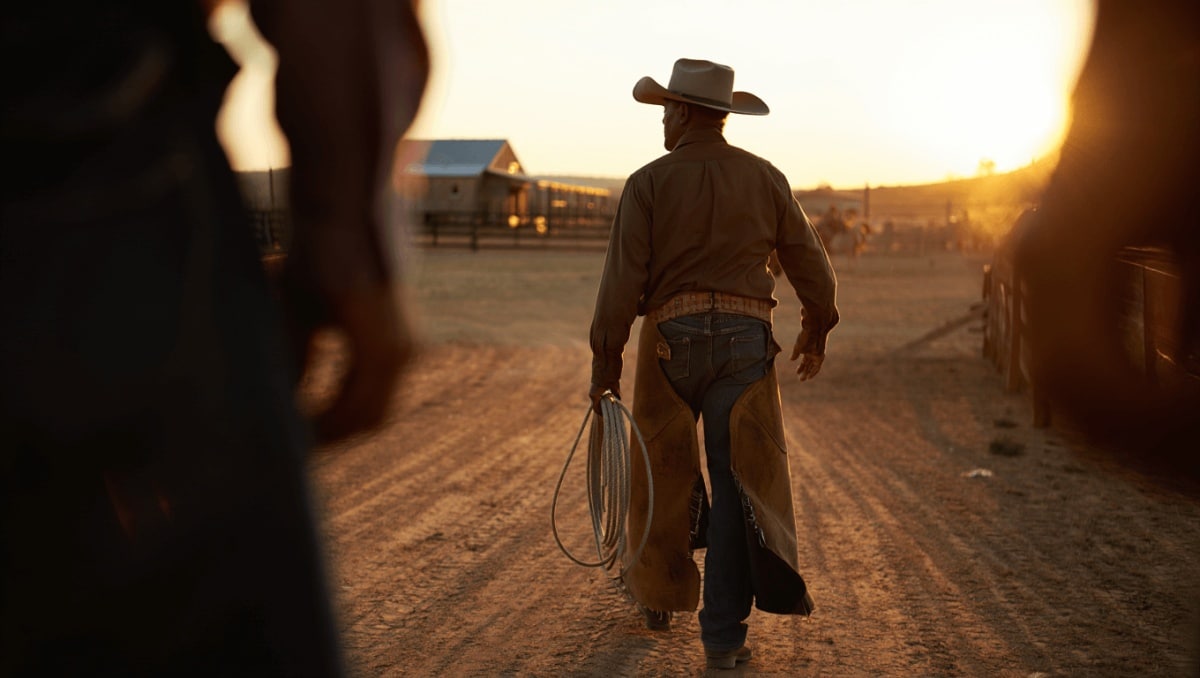
Peacock’s new three-part series High Horse: The Black Cowboy pulls a quiet thread through American history and popular culture. It begins small — an image, a name, a lyric — and widens into a claim about identity, land and representation. The series tries to restore the Black cowboy to the national story while pointing to how movies, music and policy erased that presence for generations.
What the series sets out to do
Directed by Jason Perez and backed by producers including Jordan Peele, High Horse aims to redraw a familiar American picture. It argues that the cowboy in U.S. myth has rarely been only white. The docuseries weaves interviews, reenactments and archival clips to make that case.
Nas slams music industry over disrespect: teases new music, vows to address it
1992 vocal performances: 3 jaw-dropping moments that still amaze
- Central claim: Black cowboys were foundational to the West but were later written out.
- Method: Short episodes that mix cultural analysis with personal stories.
- Tone: Journalistic, occasionally playful, and often urgent.
Episode one: How images reshaped the cowboy
The first hour focuses on cultural erasure. It asks how a diverse working class became a narrow icon: the Marlboro Man, John Wayne, the Lone Ranger silhouette. The episode explores the word “cowboy” and how Hollywood and advertising narrowed its face.
Film, TV and the rewriting of the West
High Horse interrogates familiar titles and moments. It juxtaposes images of Black riders with mainstream clips to reveal a pattern of omission.
- References to Lawmen: Bass Reeves and Taylor Sheridan’s work.
- Footage from Jeymes Samuel’s The Harder They Fall.
- Jordan Peele’s perspective, including a nod to Nope.
The episode often feels fast-paced. It tosses out many stories and names. That approach keeps things lively but sometimes sacrifices depth. Still, the reenactments are vivid. Contemporary Black riders and historians bring energy and texture.
Episode two: Land, displacement and power
“Land” is the most pointed segment. It links cultural erasure to physical dispossession. The episode ties westward expansion and Manifest Destiny to policies that removed Black people from land and opportunity.
Historic flashpoints and lesser-known chapters
The series moves between well-known tragedies and quieter losses. It recalls Tulsa and also highlights places like Boley, Oklahoma. These stories illustrate how property, prosperity and erasure intersected.
- Connections to Black Wall Street and the Tulsa Massacre.
- Profiles of Black farmers and advocates like John Boyd Jr.
- The National Black Farmers Association’s long fight for land and dignity.
High Horse uses these cases to show that the cowboy’s disappearance from culture mirrors real-world exclusion. The documentary gives a sense of pattern and continuity.
Episode three: Reclaiming music, space and story
The final episode tracks a contemporary revival. It places Beyoncé, country-pop debates and a protest-named racehorse into a larger movement. People are reasserting ownership over Western culture.
Culture wars, country music and visible return
High Horse examines recent flashpoints. The series tackles the criticism that projects like Cowboy Carter are mere appropriation. It frames those moments as part of a larger effort to reclaim space.
- Artists, families and riders pushing back against erasure.
- Examples of resilience in music and equestrian communities.
- A warning: reclaimed ground must be defended.
The episode calls this a “take-back” phase. It shows how visibility can surge quickly, then recede without vigilance.
Notable voices and surprising cameos
High Horse collects a wide group of contributors. Their perspectives range from academic to personal. Several familiar names help the series land for mainstream viewers.
- Jordan Peele, as a producer and commentator.
- Contemporary cowboys and members of the Compton Cowboys.
- Actors and cultural figures, including Pam Grier and Glynn Turman.
- Tina Knowles, who connects family memory to larger cultural memory.
These voices add credibility and texture, and sometimes levity. A few segments lean into pop culture riffs. Those moments help the series feel immediate.
Where the show succeeds
High Horse shines when it ties small moments to larger systems. It excels at connecting a lyric or a film clip to policy and history. The reenactments provide emotional clarity. The visuals keep attention on the human faces behind the argument.
- Clear throughline: cultural removal often parallels economic and legal exclusion.
- Accessible storytelling: short episodes make complex history easy to follow.
- Emotional resonance: riders and families lend immediacy to archival claims.
Limitations and missed opportunities
The series often prefers breadth over depth. It introduces many figures without deep probes. Viewers already familiar with recent films and documentaries may find parts redundant.
- Too many vignettes; too few deep dives.
- Some rich stories get only brief treatment.
- A longer format could have expanded on land conflicts and legal battles.
That said, the program feels like a primer. It maps directions for further reporting and documentary work.
Stories that demand more screen time
High Horse hints at larger projects. Several threads deserve longer treatment.
- The life and legend of Bass Reeves and other Black lawmen.
- Personal stories like Paris Wilburd, a young barrel racer with documentary potential.
- Local histories such as Boley and the Mallery family’s fight over ranchland.
Exploring any of those in depth would expand public understanding of how the West was built and who was left out of the story.
Why the series still matters
Even with flaws, High Horse reframes a national myth. It shows how representation is not just symbolic. Erasure of Black cowboys meant the erasure of Black claims to land, labor and belonging.
Visibility matters. Putting these histories in front of mainstream audiences changes what future storytellers can imagine. The series opens a door to further scholarship and art.
How to watch and what to expect
High Horse streams on Peacock. Each episode runs about 40 minutes. Expect a mix of interview segments, stylized reenactments and cultural clips. The pacing rewards viewers who want a concise, provocative overview rather than exhaustive history.
- Format: three episodes, roughly 40 minutes each.
- Best for: viewers curious about culture, history and representation.
- Not a replacement for long-form history, but a gateway to it.
Questions the series raises
The show leaves many lines unfinished. It asks whether cultural reclaiming can translate into policy gains. It asks how to hold onto progress once visibility arrives. And it asks who gets to write the next chapters of the West.
High Horse is less a final statement than a provocation. It nudges viewers to read, seek out older documentaries and listen to people with direct ties to these histories. The conversation it starts is wide open.










