
Show summary Hide summary
- How a late-night joke turned into an FCC standoff
- Why many conservatives see hypocrisy — and why some still defend the FCC
- What the Biden administration did with social platforms in 2021
- Why the current FCC’s actions represent a different threat
- The corporate ripple effects: owners, mergers and editorial concessions
- What the law actually allows the FCC to punish
- Public health aims versus partisan suppression
- Why accusations of hypocrisy don’t resolve the issue
- Where this conflict leaves media freedom and democratic norms
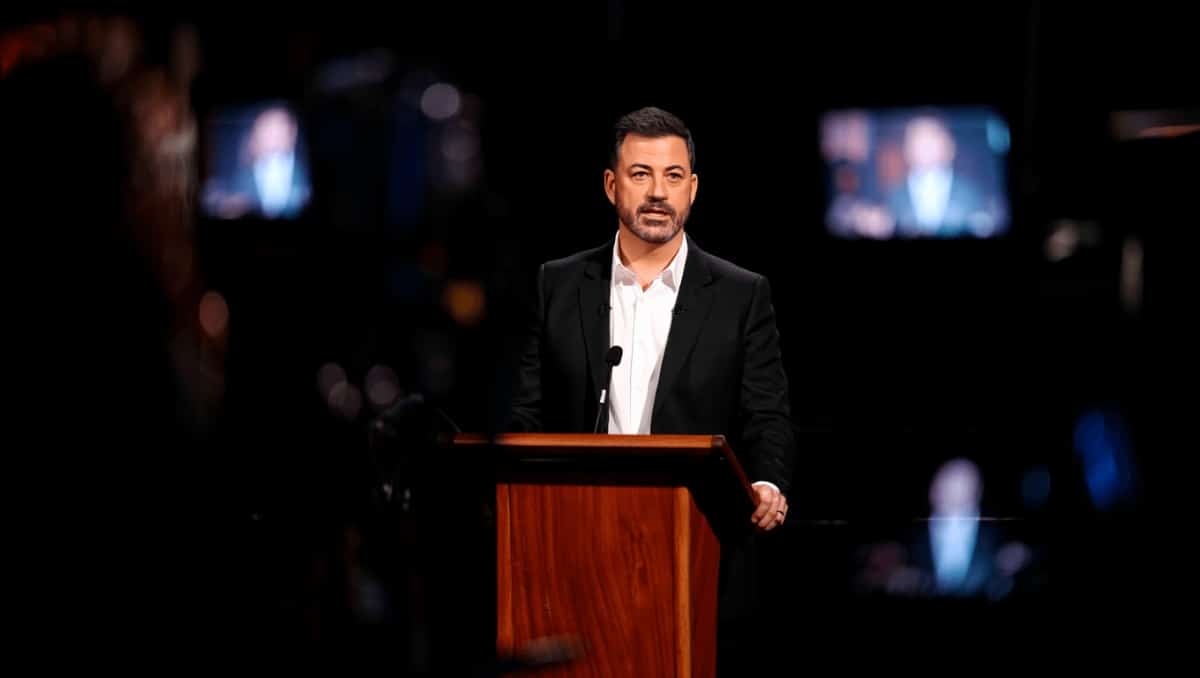
When the Federal Communications Commission signaled it might punish stations that carried Jimmy Kimmel’s late-night show, the move ignited a fierce debate about government pressure on the media. A comedian’s offhand line about the suspected killer of Charlie Kirk became the flashpoint for a larger clash over the limits of regulatory power, partisan politics, and the meaning of the First Amendment in 2025.
How a late-night joke turned into an FCC standoff
Jimmy Kimmel made a remark that linked speculation about Charlie Kirk’s suspected killer to political allegiance. The comment angered conservatives and put broadcast partners in an awkward spot.
Nas slams music industry over disrespect: teases new music, vows to address it
1992 vocal performances: 3 jaw-dropping moments that still amaze
Within days, FCC chair Brendan Carr warned that stations continuing to air Kimmel’s show could face fines or even license challenges. ABC responded by suspending Kimmel indefinitely.
The rapid chain of events showed how quickly editorial decisions at major networks can be reshaped by regulatory pressure.
Why many conservatives see hypocrisy — and why some still defend the FCC
Conservative voices split in their reaction. Some criticized the Trump administration’s intervention as an assault on free speech.
Others argued that the Biden White House had previously applied pressure on tech platforms to remove pandemic-related posts. In their telling, liberal outrage over Kimmel’s suspension looked hypocritical.
- Point: Biden officials publicly and privately pressured social platforms in 2021.
- Counterpoint: That intervention targeted health misinformation, not political criticism.
- Result: Defenders of the FCC claim unequal treatment by the left.
What the Biden administration did with social platforms in 2021
During the height of the Covid crisis, the White House flagged posts it judged harmful and publicly rebuked platforms it saw as failing to act.
Officials, including the president, accused companies of allowing dangerous misinformation to spread. The administration pushed for removals and algorithmic suppression of certain posts.
Legally, the White House did not issue binding orders to private companies. But its influence carried weight because of the federal government’s regulatory reach.
- Public criticism of platforms
- Private requests to remove or downrank posts
- Implied threat of increased scrutiny if firms ignored those requests
The Biden effort mixed public-health motivation with heavy-handed persuasion.
Why the current FCC’s actions represent a different threat
The distinction critics emphasize is directness. The Biden administration lobbied platforms. The Trump-era FCC, critics say, has threatened concrete regulatory penalties.
Brendan Carr explicitly cautioned broadcasters about potential fines and license revocations for airing Kimmel’s program. President Trump had earlier called for revoking licenses from networks he deemed biased.
That difference matters because the FCC controls broadcasting licenses — a powerful lever over stations’ economic survival.
Examples of regulatory leverage in play
- Investigations opened into ABC for fact-checking a debate
- Probes of CBS for how it edited an interview
- Conditions attached to merger approvals that touch newsroom practices
Those actions signaled a willingness to use regulatory discretion to influence editorial choices.
The corporate ripple effects: owners, mergers and editorial concessions
Broadcasters and station owners reacted quickly. Nexstar and other groups pulled Kimmel’s show from local channels.
Media companies seeking regulatory approval made unprecedented concessions. Paramount, while seeking an FCC signoff for a merger, promised editorial changes and the hiring of a reviewer to handle complaints about bias.
The FCC’s only Democratic commissioner condemned those terms as an unprecedented intrusion on newsroom independence.
What the law actually allows the FCC to punish
The Commission does have narrow authority in certain extreme cases. The rulebook contemplates punishment for deliberate broadcast hoaxes that cause immediate public harm.
Key criteria for a punishable “broadcast hoax” include:
- The broadcaster knowingly disseminated false information.
- The false information foreseeably caused direct harm or diverted emergency services.
Kimmel’s on-air comment does not clearly meet those tests. It was speculative and dismissive, but not proven to be knowingly false or to have created immediate physical danger.
Legal experts warn that stretching the definition of a hoax risks chilling ordinary political commentary.
Public health aims versus partisan suppression
Supporters of the Biden-era platform outreach point to a public-health rationale. Vaccine misinformation, they argue, posed a concrete threat to lives.
By contrast, critics say the Trump FCC’s pressure appears aimed at reducing criticism of the administration, rather than protecting public safety.
That distinction does not erase constitutional concerns. But it helps explain why some observers view the two episodes differently.
Why accusations of hypocrisy don’t resolve the issue
Conservative critics have good reason to call out illiberal tendencies on parts of the left. Campus speech controversies and online content moderation created real tensions about free expression.
Still, pointing to past hypocrisy does not grant the government license to control editorial decisions today.
Invoking other actors’ bad faith cannot justify engineering a narrower media environment through regulatory pressure.
Where this conflict leaves media freedom and democratic norms
Stations now face a new calculus. Carry a popular show and risk a regulator’s ire, or drop it and avoid potential penalties.
Those commercial and legal choices will shape which voices remain on the air. They will also test whether regulatory tools meant for public-safety emergencies become repurposed for political ends.
The debate has moved quickly from a late-night quip to broader questions about how much power the government may use to shape media narratives and who decides the boundaries of acceptable speech.










