Show summary Hide summary
- How the broadcast split unfolded and who’s affected
- What Kimmel said on his comeback night — and why it matters for free speech
- Pressure points: the FCC, the White House, and the role of Brendan Carr
- Who pushed Disney to reverse course — a grassroots cultural coalition
- Actions supporters took and the economic ripple
- Legal, corporate, and political stakes going forward
- Why this episode could set a precedent for late-night and journalism
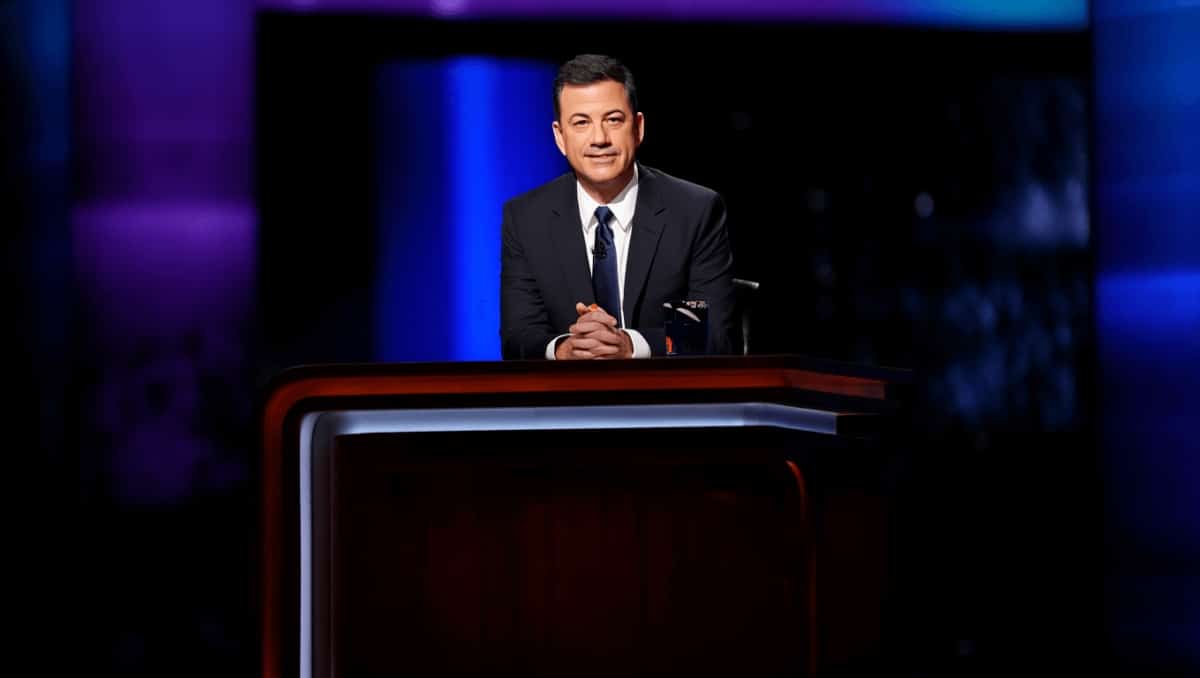
Jimmy Kimmel returned to airwaves Tuesday, but not everywhere. His late-night show is back on most ABC affiliates after Disney reversed a suspension. Still, major station groups are keeping the program off many local channels, creating a split that has real implications for free speech and broadcast politics.
How the broadcast split unfolded and who’s affected
Disney moved to reinstate Jimmy Kimmel Live! after a week off following backlash over comments about MAGA supporters and the response to the death of Charlie Kirk. The reversal restored the show on roughly three-quarters of ABC stations.
KATSEYE postpones another concert: illness details remain undisclosed
Cupertino: a stylish legal drama packed with tech twists
But two big players — Nexstar and Sinclair — continued their local blackouts. Combined, their stations cover nearly a quarter of U.S. viewers.
- Nexstar: cites harm from Kimmel’s remarks and is navigating a pending Tegna merger.
- Sinclair: demands an apology and a donation to Turning Point USA, framing the action as ideological.
- Result: cities such as Washington, Nashville, Salt Lake City, Seattle, and St. Louis lost the local broadcast of the show.
What Kimmel said on his comeback night — and why it matters for free speech
Onstage Kimmel confronted the controversy head-on. He framed the dispute as a fight to protect speech rather than a partisan point.
He criticized the use of regulatory pressure and political threats to silence critics. He appealed to a broad audience by invoking classic comedians who stood against censorship.
His message: attempts by political actors or regulators to remove content from the air are a danger to democratic norms.
Pressure points: the FCC, the White House, and the role of Brendan Carr
The episode highlighted tensions between broadcast companies and federal regulators. Comments from the Federal Communications Commission’s leadership amplified the threat that some saw as coercive.
President Trump and allies publicly pressured networks and affiliates. Those signals changed corporate calculations and helped prompt the initial suspension.
Who pushed Disney to reverse course — a grassroots cultural coalition
Unlike past corporate interventions, the push to bring Kimmel back came from public personalities and their followers more than from boardrooms.
- Open letters and endorsements from hundreds of actors, comedians, and public figures.
- High-profile performers who paused promotional work tied to Disney properties.
- Late-night peers who used their platforms to rally public opinion.
Collectively, these actions created a multi-angled reputational and economic pressure campaign that targeted Disney’s brand and revenue streams.
Actions supporters took and the economic ripple
Support for Kimmel included coordinated public statements and consumer reactions that hit Disney’s business lines.
- Subscription cancellations for Hulu and Disney+.
- Calls to boycott theme parks and promotional events.
- Public critiques from current and former talent tied to Marvel and other Disney assets.
Those moves aimed to turn public outrage into measurable financial signals for Disney leadership.
Legal, corporate, and political stakes going forward
The situation raises questions about the limits of corporate autonomy and the use of regulatory influence.
- Can station groups refuse network programming without breaching affiliate agreements?
- Will the FCC’s posture toward content moderation change based on political pressure?
- How far will corporations go to avoid conflict with the White House?
For now, streaming viewers can still watch Kimmel on Hulu, leaving a split audience between traditional broadcast viewers and streaming subscribers.
Why this episode could set a precedent for late-night and journalism
Kimmel warned that late-night hosts and journalists could face similar tactics going forward. He urged louder, broader pushback if others are targeted.
The risk: if political actors can reliably pressure distribution channels, the range of voices on TV and radio could narrow.
That prospect has rallied unusual coalitions across ideological lines — from comedians to podcasters — to defend broadcast independence.