
Show summary Hide summary
- IMAX goes live: why this broadcast is a big deal
- What audience members will notice in IMAX screenings
- Behind the scenes: how a live IMAX feed is produced
- Who’s involved and what this means for live entertainment
- How to find IMAX screenings and what to check before you go
- What this could mean for future Super Bowl halftime shows
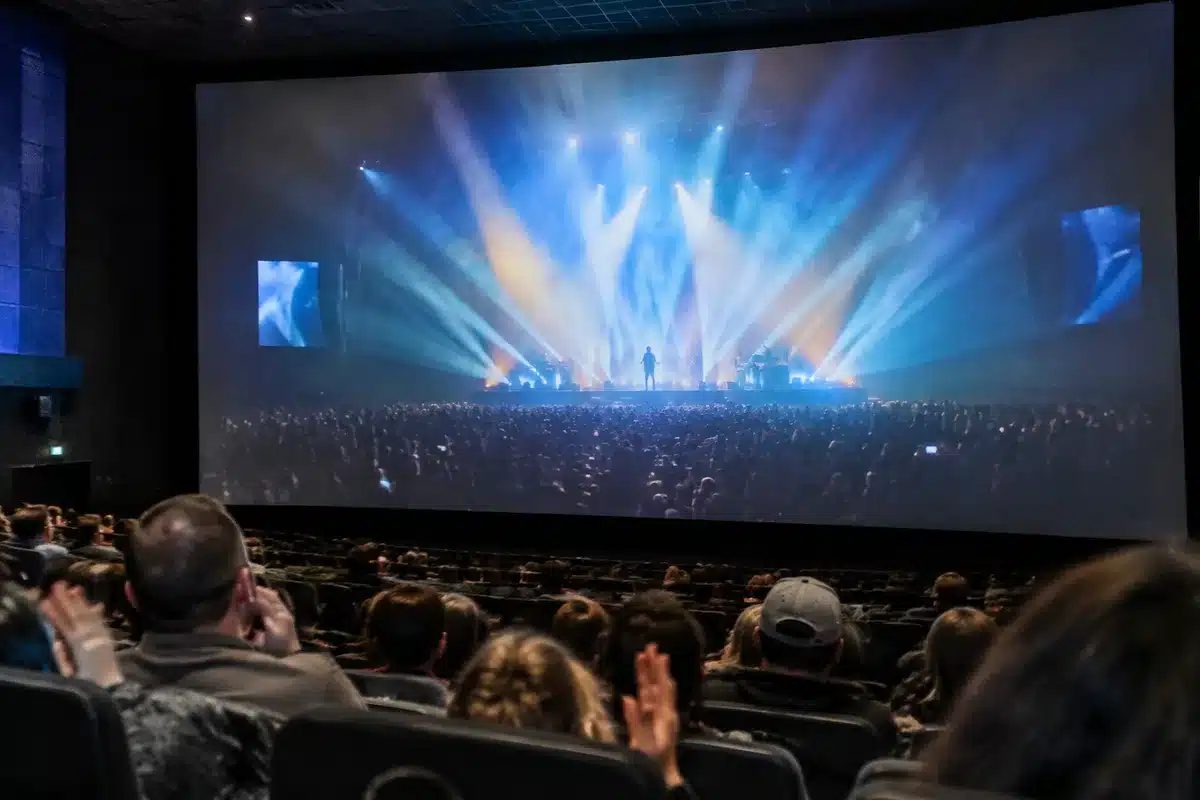
Fans tuning into this year’s Super Bowl halftime will see the show in a new way. Jay-Z’s set is being sent to IMAX screens live, marking a rare move for a sporting-event performance. The partnership promises a larger-than-life viewing experience, blending big-stage music with cinematic scale.
IMAX goes live: why this broadcast is a big deal
IMAX is usually reserved for films. Bringing a live musical performance into IMAX format changes expectations. It means higher resolution, expanded sound staging, and framing built for giant screens.
KATSEYE postpones another concert: illness details remain undisclosed
Cupertino: a stylish legal drama packed with tech twists
- First live Super Bowl halftime to be shown in IMAX, offering a unique viewing route for audiences.
- It elevates the halftime show beyond television and streaming. The experience aims to feel immersive and cinematic.
- The move signals growing collaboration between live events and premium cinematic platforms.
What audience members will notice in IMAX screenings
IMAX broadcasts are not just bigger images. They reframe visuals and audio for a different scale. Viewers in IMAX theaters should expect distinct differences from regular TV feeds.
- Sharper detail on faces, costumes, and stage design.
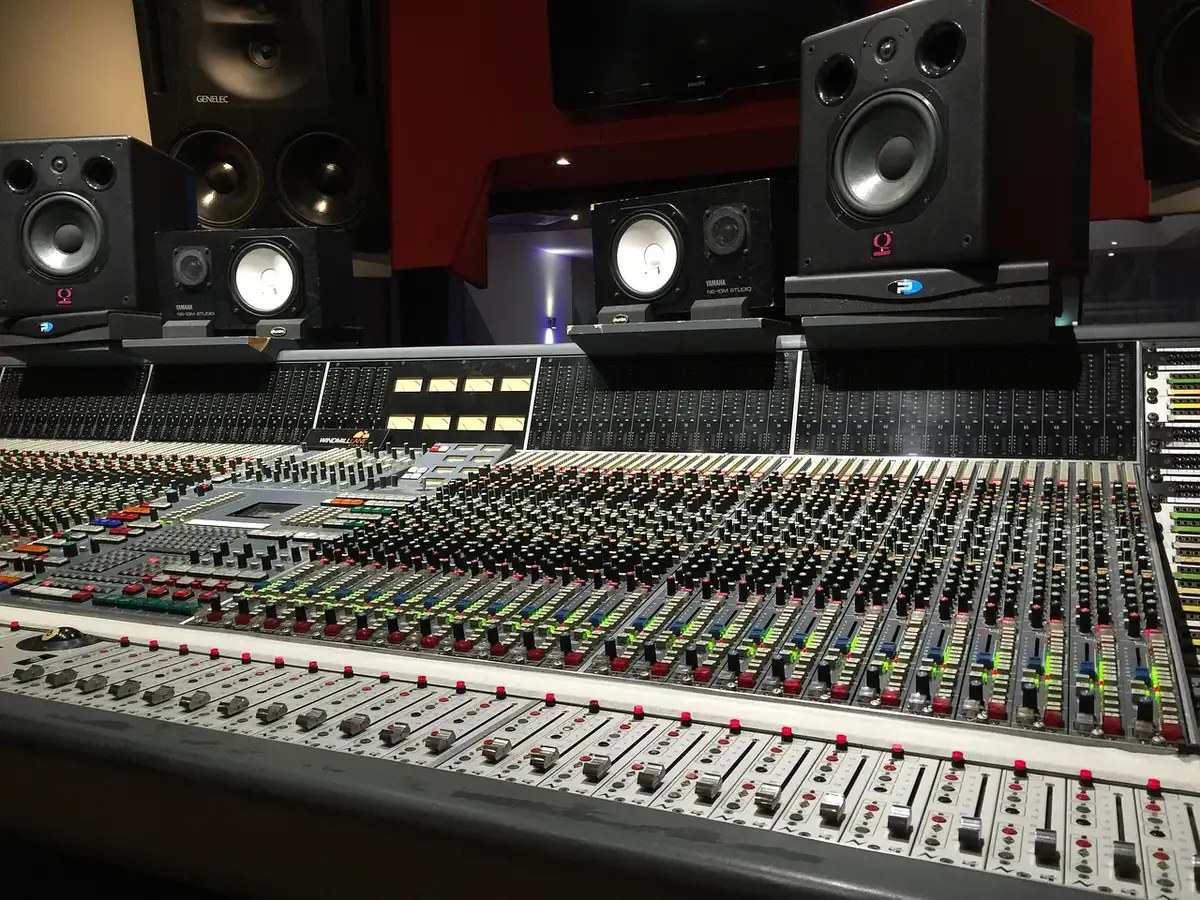
- Sound mixed for theater acoustics, making the music more enveloping.
- Wider aspect ratios that include more of the stage and choreography.
Key viewing upgrades
- Enhanced picture clarity from IMAX-compatible cameras and processing.
- Immersive audio tuned specifically for large-screen venues.
- Possible exclusive angles and camera work tailored to cinema audiences.
Behind the scenes: how a live IMAX feed is produced
Streaming a live event into IMAX theaters requires tight coordination. Broadcasters, the NFL, Jay-Z’s production team, and IMAX engineers work together to synchronize image and sound for cinema playback.

- On-site capture with high-resolution cameras and specialized lenses.
- Real-time encoding to meet IMAX technical specs.
- Transmission to theater networks with redundancy to avoid dropouts.
Technical hurdles and solutions
- Latency control between live action and theater projection.
- Color grading and aspect conversion for IMAX screens on the fly.
- Audio mastering to preserve dynamics in large venues.
Who’s involved and what this means for live entertainment
This collaboration brings together major players in music, sports, and cinema. It’s a sign that live entertainment is exploring premium viewing paths outside traditional home screens.
- Jay-Z and his production crew shaping the creative direction.
- The NFL coordinating broadcast rights and distribution.
- IMAX providing theaters and technical expertise.
The initiative could open doors for future live concerts, award shows, and special events to use IMAX for blockbuster presentations.
How to find IMAX screenings and what to check before you go
Theater listings and ticketing will vary by city. If you plan to attend an IMAX showing of the halftime show, confirm details early.
- Check local IMAX theater schedules and purchase tickets in advance.
- Verify start times—some screenings may include pre-show content.
- Look for official announcements from IMAX, the NFL, or Jay-Z’s team for exact availability.
Alternative viewing options
Traditional TV and streaming services will still carry the halftime performance. The IMAX option is an additional, premium way to experience the moment.
- Network broadcast on television for domestic audiences.
- Streaming services with rights may offer multi-angle or enhanced audio options.
- IMAX theaters for a cinematic presentation with larger-than-life impact.
What this could mean for future Super Bowl halftime shows
If this IMAX experiment succeeds, producers may pursue similar partnerships in coming years. The blend of stadium spectacle and cinematic presentation could reshape how major live events are distributed.
- New revenue streams for live events through theater ticketing.
- Expanded creative possibilities for directors and artists.
- Higher audience expectations for audiovisual quality.










