Show summary Hide summary
- Jay-Z’s on-stage plea: think critically about AI in culture
- How the Los Angeles show blended music with modern concerns
- Why AI matters to artists and the music business
- Legal fights and industry pressure around AI
- Public reaction: social media and cultural conversation
- Paths forward: protecting artists while embracing innovation
- What artists and audiences can do now
- Why the moment in Los Angeles matters for music’s future
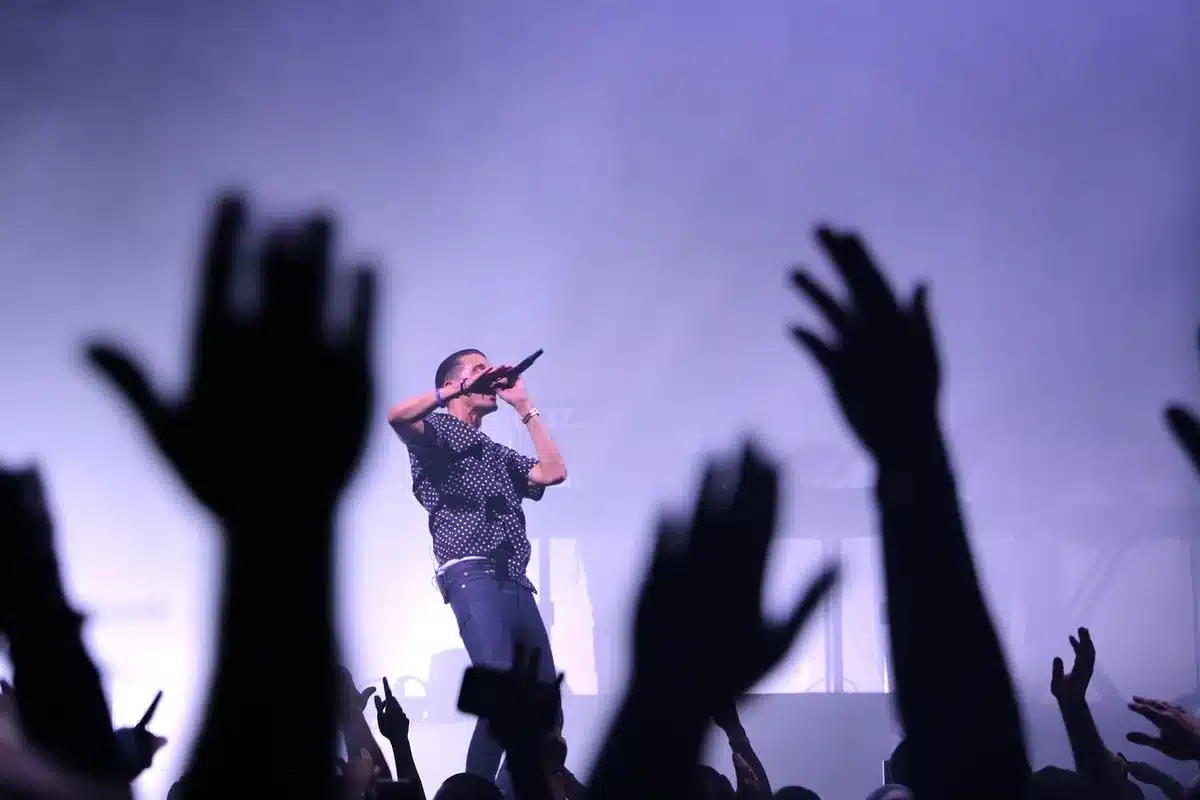
The Los Angeles crowd erupted as Jay-Z stood center stage flanked by Dr. Dre and Snoop Dogg, turning a packed night of hip-hop into a sharp conversation about technology. Between classic hits and high-energy moments, Jay-Z paused to urge fans to think critically about the rise of artificial intelligence in music and culture. The remark landed like a challenge in a room buzzing with nostalgia and digital spectacle.
Jay-Z’s on-stage plea: think critically about AI in culture
During the performance, Jay-Z moved beyond performance banter. He asked the audience to consider how AI is reshaping creativity and power in the music world. His message was not a technical lecture. It was a cultural call to action.
Internet split over tall people: heated debate leaves everyone dizzy
South Park takes aim at Trump: show returns to poke his sorest spot
Key takeaway from the moment
- Question authority and technology — Jay-Z urged people to ask who benefits from AI and who loses out.
- Protect artistic identity — he highlighted risks to an artist’s voice, image, and legacy.
- Demand transparency — fans and creators should know when AI is used in production or promotion.
How the Los Angeles show blended music with modern concerns
The concert felt both retro and futuristic. Dr. Dre and Snoop Dogg delivered signature grooves while large-scale visuals suggested a tech-forward production. Between songs, speakers and screens framed AI as more than a buzzword.

- Big crowd, big sound, and larger-than-life production elements.
- Moments of storytelling between tracks gave space for social commentary.
- Visual effects and stage design hinted at the very technology under discussion.
Why AI matters to artists and the music business
AI tools can speed up production, mimic voices, and generate music. That promise excites producers and labels. It also creates fresh ethical and legal dilemmas.
- Voice cloning can reproduce a performer’s timbre without consent.
- Automated songwriting tools may shift credit and royalties.
- Algorithms influence what listeners hear, which affects careers.
Artists worry that unchecked AI could erode creative control and weaken the relationship between creators and fans.
Legal fights and industry pressure around AI
Record labels, unions, and creators are already pushing for clearer rules. Lawsuits and policy debates focus on copyright, compensation, and permission.
- Copyright claims hinge on whether AI outputs are original works.
- Negotiations seek safeguards for performers’ likenesses and voices.
- Industry groups are calling for disclosure when AI is used.
Public reaction: social media and cultural conversation
Clips from the show spread across platforms. Some fans applauded Jay-Z’s warning. Others argued AI can be a creative tool. The debate sparked threads on artist rights, streaming algorithms, and what authenticity means today.

- Moments from the set trended within hours.
- Commentary ranged from excitement about new tools to cautionary takes.
- Journalists and creators weighed in, expanding the conversation beyond the venue.
Paths forward: protecting artists while embracing innovation
Industry experts and policymakers are proposing a mix of rules and standards to balance innovation with protection.
- Require clear labeling when AI contributes to music or visuals.
- Create licensing frameworks for AI use of voices and samples.
- Establish revenue-sharing models for AI-generated or AI-assisted works.
- Support artist education on how AI tools affect rights and earnings.
Transparency and consent are recurring themes in these proposals.
What artists and audiences can do now
Musicians, managers, and fans can take practical steps today to respond.
- Read contracts for clauses about AI and digital replication.
- Advocate for policy that requires disclosure of AI use.
- Support artists who choose to opt out of AI recreations of their work.
- Engage in public conversations about the future of creative labor.
Why the moment in Los Angeles matters for music’s future
The exchange on stage brought a larger debate into focus. When leading figures raise questions, public attention shifts and policy conversations gain momentum.
The intersection of hip-hop and technology is now a test case for how culture adapts to AI. Artists, fans, and lawmakers will all play a role in shaping what comes next.