Show summary Hide summary
- Start with clear, doable kitchen goals
- Choose beginner-friendly recipes that match your taste
- Must-have kitchen tools without the clutter
- Stock a simple, effective spice rack
- Plan your shop and keep grocery costs low
- Practical first steps when you begin cooking
- Simple ways to handle busy nights
- Build lasting habits that make cooking easy
- Time-saving cleanup and efficiency tricks
- Easy recipes and short learning curve
- Small skills that change everything
- Accessibility and adaptations to simplify cooking
Most people who can eat know they can learn to cook. The trick is breaking the habit of treating the kitchen like a battleground. With a few reliable recipes, a handful of tools, and simple habits, anyone can turn chaotic dinnertimes into manageable, even enjoyable, meals.
Start with clear, doable kitchen goals
Setting small goals makes cooking less intimidating. Instead of vowing to cook every night, choose one or two achievable targets.
KATSEYE postpones another concert: illness details remain undisclosed
Cupertino: a stylish legal drama packed with tech twists
- Build a short list of go-to dinners you can make without a recipe.
- Practice one skill each week, such as dicing an onion or roasting a tray of vegetables.
- Learn to taste and season as you cook rather than following instructions blindly.
Focus on progress, not perfection. Expect mistakes and view them as learning opportunities. Curiosity about how and why a recipe works will pay off faster than strict rules.
Choose beginner-friendly recipes that match your taste
Reduce overwhelm by picking recipes tied to flavors you already like. If you enjoy a meal at a restaurant, search for a simple home version of it.
- List favorite textures, spices, and proteins to narrow options.
- Ask picky eaters what they dislike about certain foods to make smarter swaps.
- Start with recipes that have a small ingredient list and clear steps.
Reliable online sources and tested cookbooks are your best friends early on. Look for recipes from reputable publications or creators who explain technique and timing clearly.
Must-have kitchen tools without the clutter
You don’t need every gadget on the market to get started. A few well-chosen items will make daily cooking faster and safer.
Core equipment
- Chef’s knife: The single most useful purchase. Comfort and sharpness matter more than price.
- Cutting board: Get one or two; add a damp towel underneath if it slips.
- Two skillets and two saucepans: One larger pot for pasta or soup and a medium pan for sautés.
- Baking sheet: Ideal for roasting vegetables and sheet-pan dinners.

Smart shortcuts to save time
- Pre-chopped frozen vegetables and prepared sauces.
- Ready-made doughs, salad kits, and seasoned proteins.
Use convenience products to cut prep time. They make cooking accessible for busy schedules or physical limitations.
Stock a simple, effective spice rack
Keep a small set of spices that work for many dishes. You can build on this foundation over time.
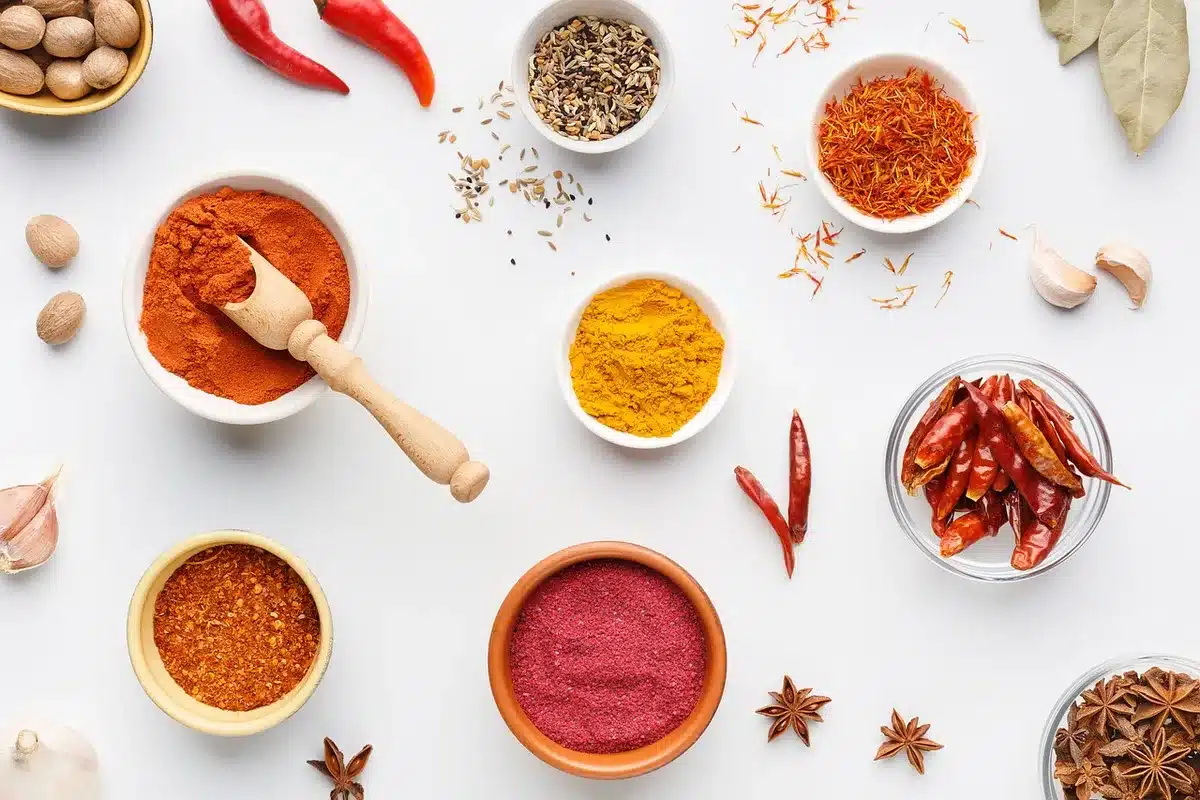
- Kosher salt and black pepper
- Garlic powder and onion powder
- Paprika, dried parsley, and an Italian seasoning blend
- Optional: a smoky or spicy blend, like Cajun or chili flakes
These basics cover most needs. Save specialty spices for recipes that demand them.
Plan your shop and keep grocery costs low
Shopping with a list prevents waste and keeps costs down. Discount chains and local specialty markets both have value.
- Write a list organized by section to save time in the store.
- Check frozen aisles for affordable, pre-chopped produce.
- Use ethnic groceries for hard-to-find but cheap ingredients.
Buy secondhand for pots, pans, and even knives when you’re starting out. Quality doesn’t always mean new.
Practical first steps when you begin cooking
Turn the kitchen into a pleasant place. Music, a podcast, or a favorite audiobook can make prep feel less like a chore.
Prep like a pro
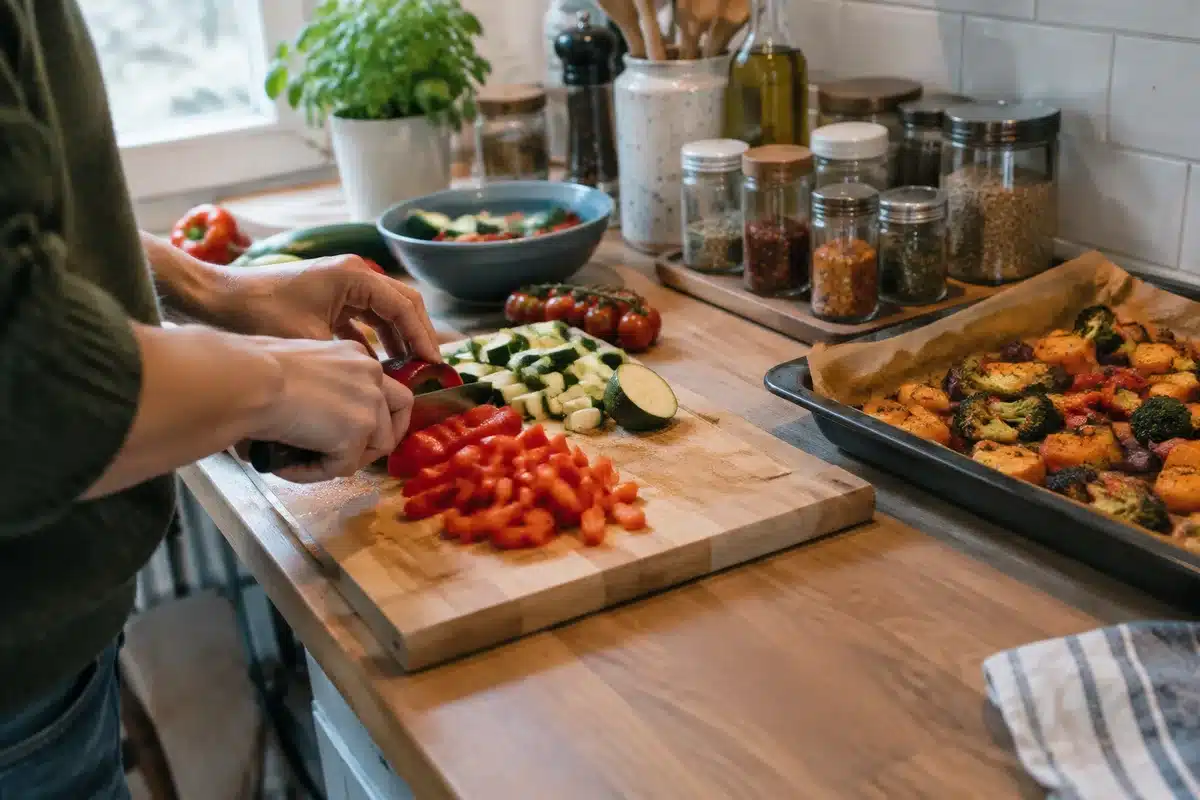
- Read the entire recipe before you start. Know what needs to be added when.
- Measure and chop ingredients before you heat the pan.
- Use one bowl when possible and wash as you go to reduce clutter.
Learning a few basic knife techniques and watching short video demos will speed up prep and reduce mistakes.
Simple ways to handle busy nights
Everyone has nights when cooking feels impossible. Plan for them so you don’t default to unhealthy options.
- Cook twice a week and stretch meals across several days.
- Make extra portions and freeze leftovers in meal-sized containers.
- Keep a few low-effort meals on hand: frozen chicken patties, canned beans, or jarred sauce.
Leftovers are a strategic tool. A tray of roasted vegetables, a pot of beans, or a casserole can feed multiple meals and save both time and money.
Build lasting habits that make cooking easy
Habits change the mental load around cooking. Small routines lead to big results.
- Break meals into three parts: one carb, one vegetable, one protein.
- Use the freezer to hold extra portions and extend produce life.
- Cook passively when possible, e.g., roast while you work out or simmer a stew while you run errands.
Little practices add up. Prepping ingredients during a break or doubling a recipe once a week reduces daily decision fatigue.
Time-saving cleanup and efficiency tricks
Cleaning strategies make cooking feel less like a marathon and more like a short sprint.
- Wash and reuse a single bowl or utensil when safe to do so.
- Line baking sheets with foil for easier cleanup.
- Soak pans right after use to avoid scrubbing baked-on food.
Keeping the kitchen tidy as you go lowers the barrier to cooking the next meal.
Easy recipes and short learning curve
Start with dishes that teach technique and deliver quick wins. These recipes build confidence.
- Oven-roasted vegetables and a protein sheet-pan meal
- Stir-fries using frozen peppers and pre-cooked rice
- Simple pastas: cook pasta, heat a jarred sauce, add a handful of greens
- One-pot beans: make a big batch, then turn it into dips, stews, or tacos
Follow recipes exactly at first. When you feel comfortable, swap ingredients and adjust seasoning to match your family’s tastes.
Small skills that change everything
Master these basics and most meals become straightforward.
- How to properly salt and taste as you cook.
- Basic knife cuts: mince, dice, and slice.
- How to sauté vs. roast and when to use each method.
- Batch-cooking staples like rice, beans, and roasted vegetables.
Each small skill reduces fuss and builds the foundation for more creative cooking later.
Accessibility and adaptations to simplify cooking
Cooking should work for your body and schedule. Use tools and shortcuts that remove barriers.
- Buy pre-chopped or frozen produce if chopping is difficult.
- Use a slow cooker, pressure cooker, or rice cooker to minimize hands-on time.
- Choose no-cut recipes or one-pot meals when you need minimal prep.
Adapt the process to your needs. Convenience products are not cheating; they’re practical choices that keep meals on the table.