Show summary Hide summary
- Why the Louvre would be a magnetic backdrop for a heist trailer
- How a heist-style campaign could mirror the film’s narrative
- Legal and ethical lines that marketers must not cross
- Lessons from past cinematic promotions that pushed limits
- How to design a Louvre-inspired campaign that earns headlines—without breaking rules
- What the public and press would likely respond to
- Practical creative options that still deliver a “heist” vibe
- Marketing outcomes to expect from a high-profile museum stunt
Imagine a movie trailer staged so cleverly it feels like it belongs behind glass—only to be taken. That idea captures why a heist-themed marketing stunt for Michael B. Jordan’s new take on The Thomas Crown Affair would stop people in their tracks. It blurs art and advertising, plays on audience expectations, and could turn a piece of promotion into a headline-grabbing spectacle.
Why the Louvre would be a magnetic backdrop for a heist trailer
Films about theft and style tap into a romanticized idea of art crime. The Louvre is instantly recognizable. It carries prestige and drama. Placing a trailer there would make headlines on sight alone.
KATSEYE postpones another concert: illness details remain undisclosed
Cupertino: a stylish legal drama packed with tech twists
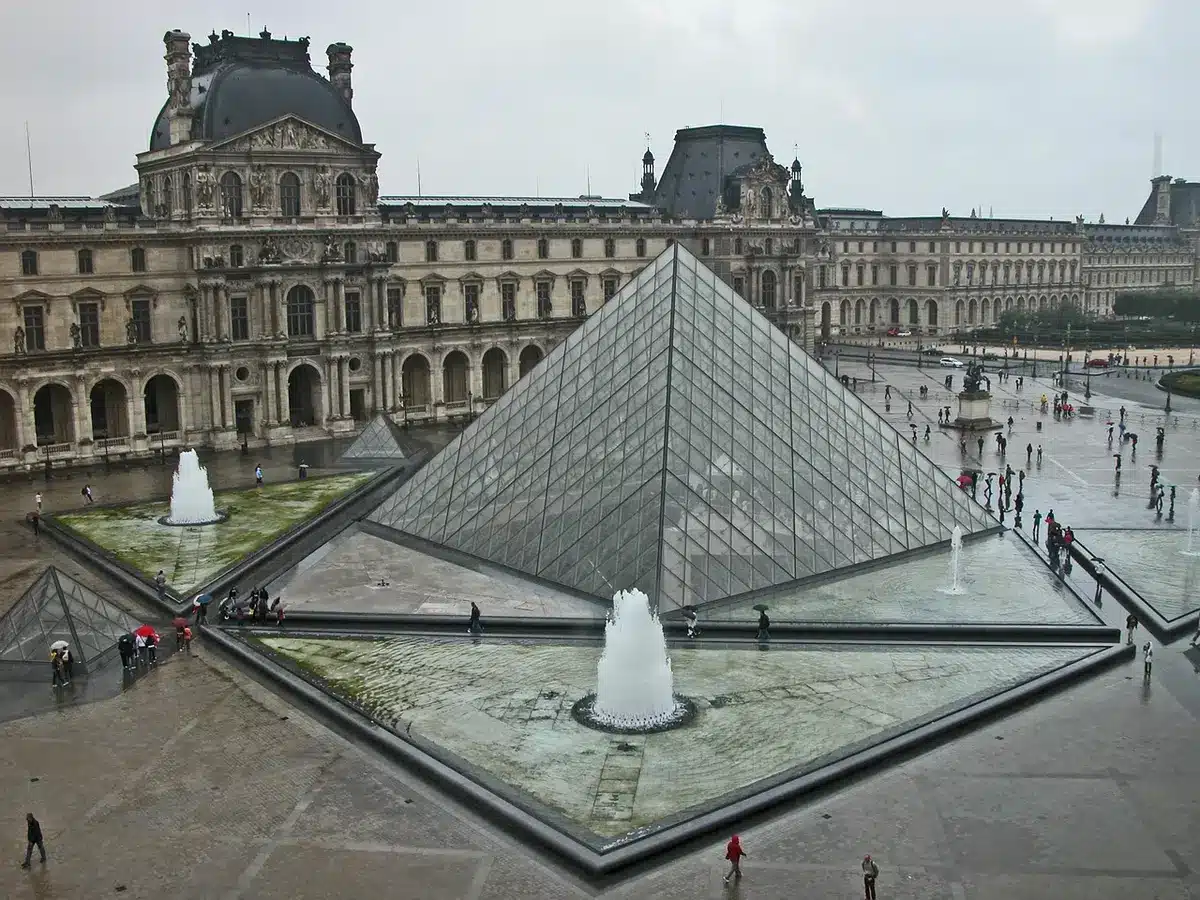
- Instant cultural cachet: The museum amplifies themes of elegance and high-stakes theft.
- Visual storytelling: Classical art juxtaposed with modern cinema creates arresting images.
- Global reach: Photos or video from the Louvre travel fast across social platforms and news outlets.
How a heist-style campaign could mirror the film’s narrative
A trailer stunt that mimics a theft would extend the film’s storytelling beyond the screen. The marketing could become part of the plot.
Concept ideas that echo the movie
- Projecting scenes onto museum walls during a curated blackout.
- Displaying a mock “stolen” installation that disappears in a staged moment.
- Releasing a short clip where the trailer itself is treated as a valuable object.
Each tactic invites the audience to participate in the fiction. It turns viewers into witnesses, and that participation can boost sharing and conversation.
Legal and ethical lines that marketers must not cross
Stunts that flirt with real theft risk harm and legal trouble. Museums enforce strict rules for a reason. Any campaign must respect those boundaries.
- Permits and approvals: Work with museum authorities and local governments.
- Visitor safety: Avoid crowds, tripping hazards, and anything that disrupts exhibitions.
- Cultural respect: Do not touch or move artworks, or stage anything that could damage heritage items.
Lessons from past cinematic promotions that pushed limits
Studios have staged immersive experiences before. Some succeeded; others backfired.
- Guerrilla projections created viral moments without breaking laws.
- Fake artifacts or pop-ups attracted press while honoring local rules.
- Unauthorized stunts sometimes drew quick attention but long-term criticism.
Successful campaigns balanced surprise with responsibility. They generated buzz while protecting institutions and audiences.
How to design a Louvre-inspired campaign that earns headlines—without breaking rules
Teamwork and transparency are key. A polished, museum-friendly plan can achieve the same thrill as a risky stunt.
- Consult curators early to find a suitable, non-invasive creative approach.
- Secure permits for nighttime projections or temporary installations.
- Use replicas, digital overlays, or VR pop-ups instead of interacting with real art.
- Coordinate crowd control and accessibility measures with local authorities.
- Prepare clear messaging so the audience knows it’s a promotional event.
What the public and press would likely respond to
Audiences crave spectacle that feels meaningful. A stunt sitting at the intersection of art and fiction would feed that appetite.
- Shareability: Iconic visuals from the Louvre are primed for social media.
- Narrative cohesion: When the promotion mirrors the film’s tone, it builds anticipation.
- Conversation starter: Ethical debate about art and publicity can keep the story alive.
Practical creative options that still deliver a “heist” vibe
There are ways to evoke theft without endorsing criminality.
- Augmented-reality experiences that let users “steal” a digital masterpiece.
- Timed pop-up exhibits featuring props from the film, secured and sanctioned.
- Immersive trailers shown inside museum auditoriums during a closed preview.
Marketing outcomes to expect from a high-profile museum stunt
Done right, the payoff goes beyond initial impressions.
- Boosted trailer views and social engagement.
- Placement in mainstream and entertainment press.
- Stronger association between the film and themes of style, risk, and art.