Show summary Hide summary
- When two directors meet: the Tarantino-Fincher fusion
- Tone and setting: Los Angeles, June 1977
- Cliff Booth at center stage: Brad Pitt’s aura
- Plot beats and standout sequences
- Supporting players and character dynamics
- Genre and influences: TV serials, exploitation, and pulp
- Violence and the climactic sequence
- What the film asks of the viewer
A new sequel focused on Cliff Booth arrives like an easy, narcotic Sunday in Los Angeles. It pairs Quentin Tarantino’s playful restlessness with David Fincher’s cold control. The result is a film that meanders, charms and occasionally shocks, all while feeling oddly serene.
When two directors meet: the Tarantino-Fincher fusion
The screenplay reads like classic Tarantino: digressive, referential, and fond of pop-culture detours. The direction, though, is pure Fincher — precise camera moves, clinical framing, and a gloss that keeps the chaos tidy. This pairing produces a film that feels both loose and obsessively composed.
KATSEYE postpones another concert: illness details remain undisclosed
Cupertino: a stylish legal drama packed with tech twists
Expect paradoxes: the story floats from scene to scene, but each beat looks and sounds meticulously arranged. That tension between Dionysian invention and Apollonian craft is the movie’s engine.
Tone and setting: Los Angeles, June 1977
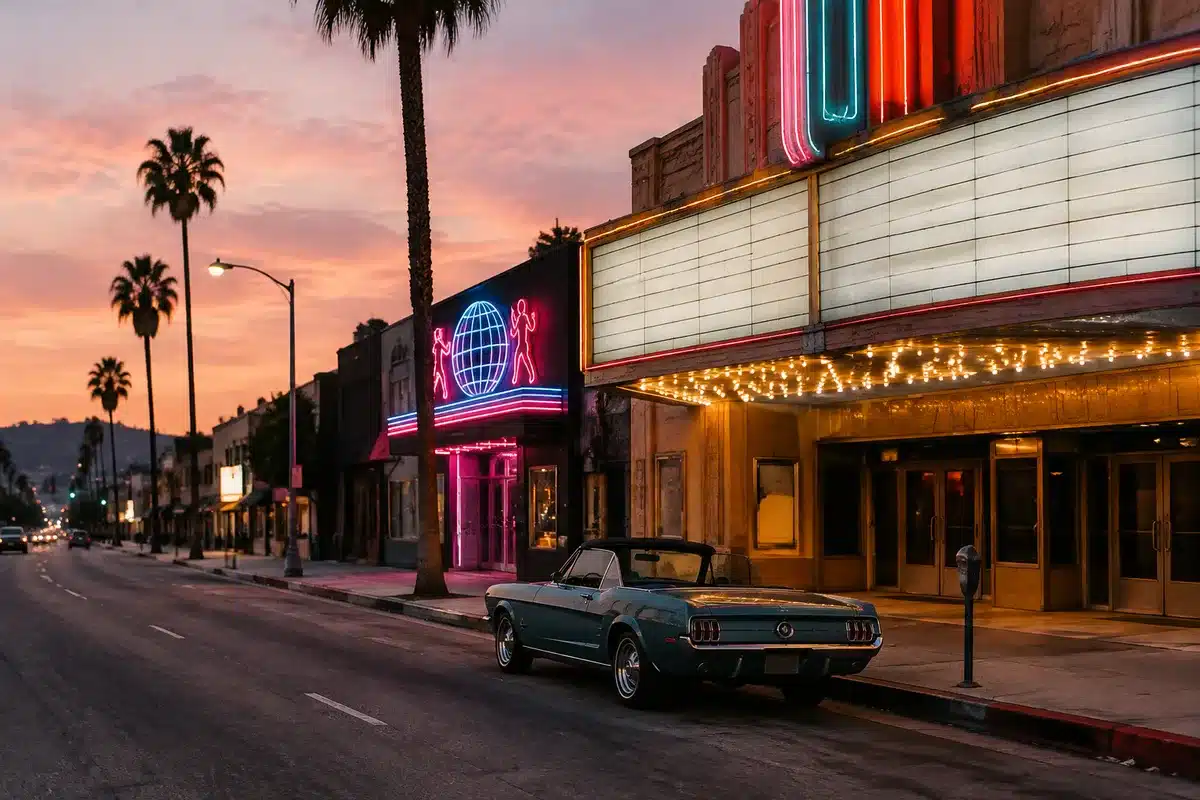
The action covers one week in L.A., set just after a major cultural turning point in cinema. Disco, late-’70s soft rock and tacky nightlife colors every frame. The film takes a fond, slightly ironic stance toward this era.

- The soundtrack leans into period hits that underline mood and era.
- Locations are given onscreen distance tags, rooting the plot in Hollywood geography.
- Television culture is woven through the narrative as tightly as the movie world.
1977 matters: it’s an era of transition, when movie myths begin to yield to a new pop-culture logic. That sense of drifting, of an industry between phases, is central to the film’s flavor.
Cliff Booth at center stage: Brad Pitt’s aura
Brad Pitt expands Cliff into a fully central, idiosyncratic lead. He brings a relaxed charisma that borders on indifference. His physical presence, old-school charm and a voice that suggests sunbaked confidence make Cliff magnetic.
Cliff is a study in contrasts: affable and gentle on the surface, yet comfortable with brutality underneath. Pitt plays him as a man at ease with violence and with himself. That combination creates much of the film’s odd appeal.
Plot beats and standout sequences
The film is episodic by design. Scenes function as anecdotes rather than chapters of a conventional plot. A few key moments anchor the experience.

- Night shift at an independent cinema where a vintage exploitation film runs.
- A payoff meeting with blackmailers that turns unexpectedly lethal.
- Cliff summoned by an egotistical TV star who needs help from his old stuntman.
- Escalating confrontations with hired killers that culminate in a brutal set-piece.
Violence arrives bluntly and sometimes without moral commentary. The film treats some savage moments with a casual, almost Zen detachment embodied by Cliff.
Supporting players and character dynamics
The cast around Pitt paints a Hollywood in mid-decline. Notable turns include an imperious agent, a loud TV star, and a pair of ruthless hired hands from the underworld.
- Elizabeth Debicki plays a poised, chilly agent who provokes an uneasy flirtation with Cliff.
- Scott Caan portrays a brash TV lead who both needs Cliff and misjudges him.
- Two hired killers provide a spine of menace and memorable, gruesome tools.
Small details matter: throwaway lines about past careers, cameos and era-specific props enrich the texture and reward close listeners.
Genre and influences: TV serials, exploitation, and pulp
The film leans heavily on television rhythms. Scenes feel episodic like serialized TV. At the same time, it revels in blaxploitation, disco nightspots and late-’70s sleaze.
There are explicit nods to other works and directors. The movie borrows the tone of hangout cinema and sprinkles in pulp dialogue and violent spectacle.
Soundtrack and cultural nods
- Period tracks punctuate mood and provide ironic counterpoint.
- Familiar tunes offer weight to otherwise small scenes.
- References to famous critics and films add a meta-cinematic layer.
Violence and the climactic sequence
The finale delivers an extreme burst of carnage. It lands with the blunt force of a showpiece. The film does not use that sequence to rewrite history. Instead, it amplifies Cliff’s indestructible vibe.
The aftermath is telling: despite savagery that should be catastrophic, Cliff survives as if the world’s brutality barely dents him. That refusal to treat violence as transformational is a deliberate choice.
What the film asks of the viewer
It expects patience for meandering moments and an appetite for style over tidy plotting. The pleasure is largely atmospheric. Moments of actual consequence slip in between leisurely scenes.
- Enjoy the mood, the performances and the period detail.
- Allow the détours and digressions to register as part of the design.
- Note how casual brutality sits beside warm, idle sociality.