
Show summary Hide summary
- Why Calvin and Hobbes still matters 40 years later
- How imagination shaped the comic’s world
- Lee Salem’s first reaction and editorial view
- Why Calvin felt different from earlier comic boys
- How readers interpreted Hobbes — toy or real friend?
- Memorable moments and the occasional controversy
- Watterson’s decision to step away and the comic’s legacy
On Nov. 18, 1985 a comic strip arrived that would reset readers’ expectations for daily newspapers. Calvin and his stuffed tiger Hobbes mixed wild imagination, sharp humor and quiet insight. The pair became a cultural touchstone almost immediately.
Why Calvin and Hobbes still matters 40 years later
Calvin and Hobbes debuted four decades ago and quickly won fans for its energy and heart. Bill Watterson created a character who felt both mischievous and deeply human. The strip ran for roughly ten years but left a lasting mark on comics and pop culture.
Nas slams music industry over disrespect: teases new music, vows to address it
1992 vocal performances: 3 jaw-dropping moments that still amaze
- Debut date: November 18, 1985.
- Daily run: about a decade, ending in 1995.
- Creator: Bill Watterson, who rarely gives interviews.
How imagination shaped the comic’s world
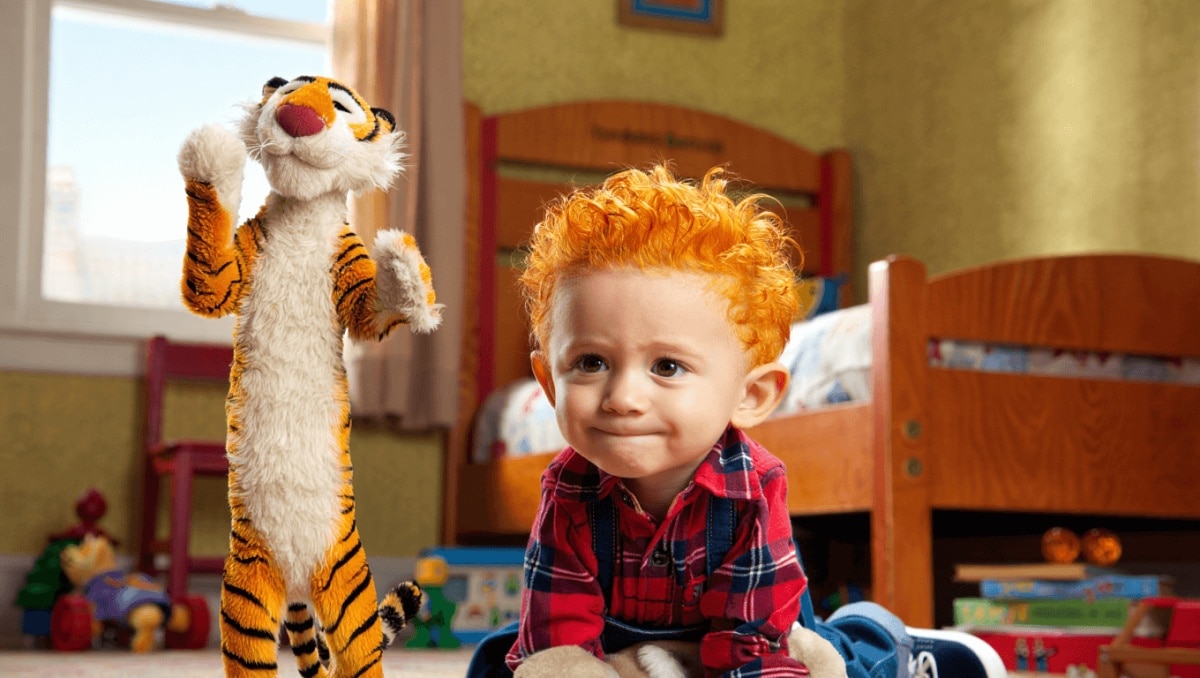
The central dynamic was simple. Hobbes is a stuffed tiger to adults. To Calvin he is a living friend and foil. That flip between toy and companion let Watterson turn childish fantasy into something readers recognized.
The strip often moved from slapstick to philosophical observation in a few panels. That range made it feel fresh and unpredictable. Kids saw adventure. Adults found irony and reflection.
Lee Salem’s first reaction and editorial view
Lee Salem, who edited the strip during most of its run, recalled being stunned by the pages he first read. He shared them around the office and the response was immediate. Editors and readers alike found the art strong and the voice distinct.
An anecdote editors loved
Salem kept one strip framed in his office. In it, Calvin feigns illness to stay home. He ends up watching an adult soap opera and grins at the camera, implying he learned more that day than at school. The image captured Watterson’s blend of humor and irony.
Why Calvin felt different from earlier comic boys
Calvin borrowed from literary and comic traditions but stood apart. He resembled the adventurous spirit of Tom Sawyer more than the anxious tone of Charlie Brown. His schemes and fantasies were broader, and his moral questions were askew but incisive.
Hobbes served as counterpoint and conscience. As a conversational partner, he balanced Calvin’s excesses and reflected the boy’s interior life.
How readers interpreted Hobbes — toy or real friend?
The question of Hobbes’ reality is part of the strip’s charm. For Calvin he is undeniably alive. For others in the strip, Hobbes remains a stuffed animal. Watterson used that ambiguity to explore imagination and perception.
- To Calvin: a playful, opinionated companion.
- To adults: a toy.
- To readers: a device that makes childhood experience feel immediate.
Memorable moments and the occasional controversy
Watterson’s humor sometimes sparked reader reaction. One episode where Calvin watches adult television while home sick prompted complaints. Some viewers read the joke literally and missed the irony.
Still, many strips combined slapstick with sharp commentary. That mix widened the audience beyond typical comic fans.
Watterson’s decision to step away and the comic’s legacy
In 1995 Bill Watterson ended Calvin and Hobbes at the height of its popularity. He explained he wanted to work at a slower, more thoughtful pace and explore art outside the four-panel strip. Since then, he has produced very little public work.
Lee Salem edited the strip through its end and later died in 2019. His memories and the interviews he gave, including a conversation with Renee Montagne in 2005, remain key sources for understanding how editors and readers first responded to Watterson’s creation.










