
Show summary Hide summary
- How a cult spy drama became a small-screen universe
- Meet the new lead: a private investigator with bite
- What sparks the plot: an explosion and a missing child
- Tone and pacing: when restraint meets escalating danger
- Performances: contrasts that propel the story
- Setting as character: Oxford’s academic shadows
- How it fits with Slow Horses and what differs
- Who will enjoy this and why it matters for the franchise
- Behind the scenes: creators and adaptation choices
- Threats, twists, and cinematic set pieces
Apple TV+’s spy world keeps growing. What began as a scrappy, character-driven drama about sidelined intelligence officers has expanded into a broader franchise with a new direction. Down Cemetery Road takes the franchise’s dark humor and moral messiness and relocates it from London’s grime to Oxford’s manicured quads, introducing a different kind of sleuth and a fresh tone.
How a cult spy drama became a small-screen universe
Slow Horses turned a niche British spy novel series into a cultural touchstone. Over five seasons, the show made Mick Herron’s world more visible and commercially viable. Now Apple is adapting Herron’s earlier work to create a companion series that isn’t a direct spin-off, but carries familiar DNA.
Nas slams music industry over disrespect: teases new music, vows to address it
1992 vocal performances: 3 jaw-dropping moments that still amaze
- Mick Herron provides the source material, with multiple books ripe for adaptation.
- Apple TV+ leverages existing audience interest while exploring distinct tones and settings.
- Writers and showrunners move between projects, keeping stylistic continuity.
Meet the new lead: a private investigator with bite
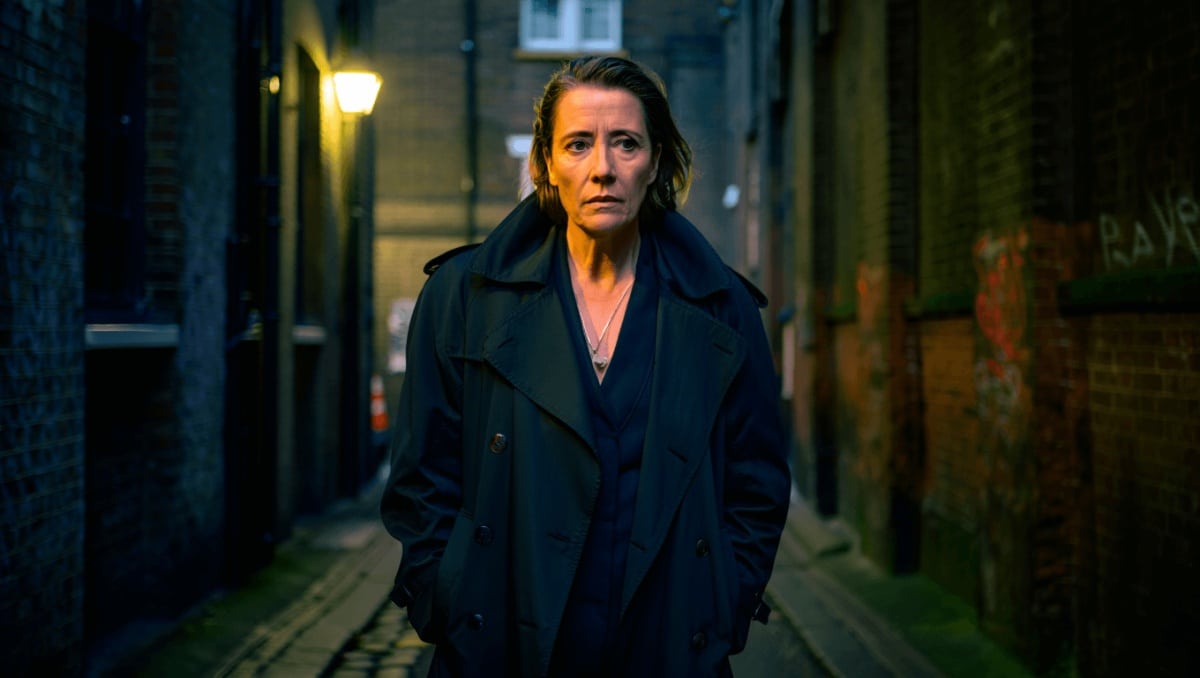
Emma Thompson headlines as Zoë Boehm, an unvarnished private detective whose manners are blunt and presence commanding. Zoë is world-weary, incisive, and emotionally guarded. Her investigative instincts clash with suburban respectability, and Thompson plays this collision with both wit and restraint.
Supporting players who shape the mystery
- Ruth Wilson
- Adam Godley
- Fehinti Balogun
- Adeel Akhtar and Darren Boyd portray bumbling officials entangled in the cover-up.
What sparks the plot: an explosion and a missing child
The series opens slowly, devoting time to character setup. A dinner party explosion near the elegant home Sarah shares with her banker husband fractures their world. Two victims die. A young girl ends up in hospital. The immediate suspect is not the only mystery.
Sarah’s decision to involve Zoë—despite having no personal connection to the injured child—fuels the central question: why risk everything for a stranger? That choice drives Ruth Wilson’s increasingly tense performance.
Tone and pacing: when restraint meets escalating danger
Down Cemetery Road trades some of Slow Horses’ razor-tight plotting for a more patient, character-led approach. The premiere takes its time, mapping relationships and establishing motives. Once the mystery gains momentum, action sequences crackle and tempo quickens.
- Mordant humor cushions tense scenes.
- Longer episode count allows for character detours.
- Plot escalates from interpersonal drama to lethal pursuit.
Performances: contrasts that propel the story
Wilson’s portrayal grows increasingly fraught as her character unravels. Her arc moves from controlled to desperate, anchoring the series’ emotional turmoil. Thompson’s Zoë operates almost as an emotional counterweight—stoic, sardonic, and methodical. Their interactions are deliberately sparse at first, making later confrontations feel earned.
The bureaucrats played by Akhtar and Boyd add a satirical angle. They are not the all-seeing agents of state; they fumble and fracture under pressure, offering a Herron-esque critique of institutional incompetence.
Setting as character: Oxford’s academic shadows
Switching from central London to Oxford alters the show’s texture. The lawns and gowns provide a veneer of civility that clashes with the series’ violence. Filming on location grants the show a strong sense of place. That contrast— genteel façades and sudden brutality—becomes a narrative device.
How it fits with Slow Horses and what differs
Both series share a dark wit, sharp dialogue, and a focus on flawed protagonists. Yet Down Cemetery Road stands apart in several ways:
- It centers a private investigator rather than an MI5 misfit team.
- The tone leans more psychological than procedural in early episodes.
- Oxford’s visual palette gives it a distinct atmosphere.
Who will enjoy this and why it matters for the franchise
Fans of Slow Horses will find familiar pleasures in Herron’s world: moral ambiguity, institutional satire, and skilled actors chewing on thorny roles. New viewers may be drawn to the mystery’s human core and strong lead performances. The show also signals Apple’s intent to expand beyond a single hit and build a loosely connected dramatic universe.
Behind the scenes: creators and adaptation choices
Morwenna Banks developed the series for television, reshaping Herron’s first novel into an eight-episode arc. That decision allows space for character beats and tonal shifts. Adapting a debut novel—rather than the Slough House books—lets the creative team explore different themes while maintaining Herron’s cynical eye.
- Adaptation trimmed and reordered events to fit serial pacing.
- Casting choices emphasize contrast: seasoned leads versus volatile newcomers.
- Production design highlights class and professional divides.
Threats, twists, and cinematic set pieces
As the season progresses, the quiet domestic world gives way to sharper violence. An assassin’s presence raises the stakes and exposes the limits of official power. The series balances psychological tension with occasional bursts of kinetic action.










