Show summary Hide summary
- What Club Kid is really about: chaos, care, and second chances
- How Firstman blends satire with sincere coming-of-age beats
- New York City as a living, breathing backdrop
- Casting choices that shape the film’s soul
- How the movie balances style and substance
- The film’s portrayal of queerness and chosen families
- Performance highlights and scene work
- Festival buzz and release details
Jordan Firstman arrives with a loud, glitter-smeared wink in Club Kid, a debut feature that folds together queerness, chaos, and an unexpectedly tender father-son story. The film keeps Firstman’s sharp comedic voice intact while steering into quieter territory, asking whether someone built for nightlife can actually grow up.
What Club Kid is really about: chaos, care, and second chances
At its center sits Peter Green, a once-prolific New York party promoter whose life has been a nonstop loop of club nights, hookups, and substance use. Now in his thirties, his lifestyle is fraying at the edges. Into that mess drops Arlo, a ten-year-old who claims Peter as his biological father.
Coco Jones’ viral reaction to racist heckler: Black people share heartbreaking similar stories
MacBook Pro OLED review: the Ternus era’s first slam dunk

- Peter is scrappy, funny, and unreliable.
- Arlo arrives with grief and a surprising ease around the club world.
- The film traces whether Peter can become someone his son can rely on.
Club Kid doesn’t sugarcoat the wreckage. Yet it resists melodrama, finding humor and small human victories in the wreckage of addiction and abandonment.
How Firstman blends satire with sincere coming-of-age beats
Firstman wrote, directed, and stars in the movie, and his fingerprints are obvious in the dialogue and tone. The comedic jabs land, but the plot repeatedly brings the camera closer to vulnerability. The result is a film that can swing from blistering queer satire to a scene of quiet, domestic confusion in the span of a minute.
Key emotional arcs
- Peter’s struggle to accept responsibility.
- Arlo’s search for stability after loss.
- The tension between a party identity and the possibility of change.
Rather than wrapping everything in a neat Hollywood bow, Firstman offers a resolution that feels earned. It’s hopeful without being naive.
New York City as a living, breathing backdrop
The film treats Manhattan and its nightlife not as wallpaper but as an active force. From a raucous ride in an Uber to packed club floors, the city is present in music, neon, and small, tender rituals.
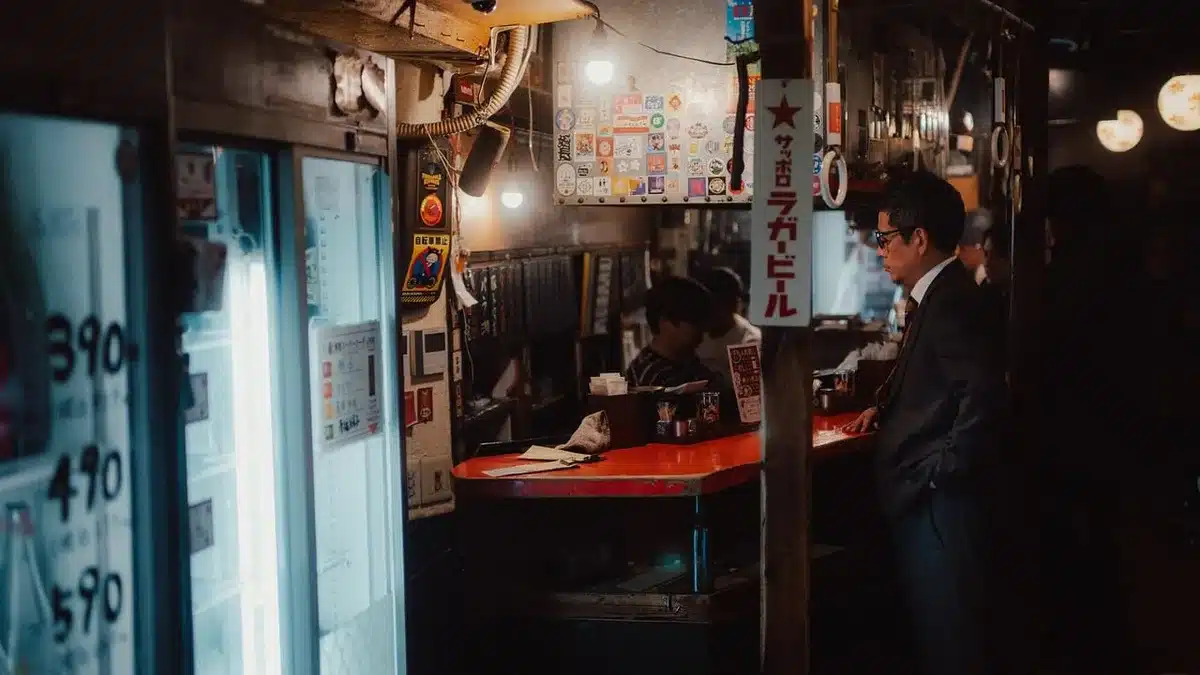
Cinematographer Adam Newport-Berra leans into texture. Scenes shot on 35mm give the movie a grainy warmth. Club sequences buzz with purple and white strobes. When panic strikes, the camera becomes restless, mirroring Peter’s inner state. Calm moments, like crate-digging in a record shop or a slow piano move up a narrow staircase, are framed with steady affection.
Casting choices that shape the film’s soul
Firstman surrounds himself with a sharp ensemble that balances chaos and heart. Each performer brings a vivid energy that sells the chosen-family dynamic at the story’s core.
- Jordan Firstman channels his comic persona into a layered role: jaw-dropping one-liners sit next to honest fear and longing.
- Reggie Absolom as Arlo offers a performance that reads older than his years. He’s equal parts precocious and fragile.
- Cara Delevingne plays Peter’s ruthless business partner, a presence who blends glamour with bite.
- Kirby Howell-Baptiste pops on screen as a charismatic party girl who delivers dark humor with magnetic timing.
- Saturn Risin9 stands out as Saffron, a trans DJ who brings warmth and mischief to the chosen-family circle.
- Eldar Isgandarov gives Nicky, Peter’s moody roommate, a texture that alternates between sardonic and wildly alive.
Supporting turns, including a warm-hearted neighbor who acts as a makeshift godmother, help anchor the film’s emotional stakes.
How the movie balances style and substance
Club Kid’s aesthetic cues are loud: sequins, feathered costumes, and pulsing house music. But style never overtakes story. The film uses its visual flourishes to underline character states. Party shots feel immersive and chaotic; quieter sequences emphasize texture and human connection.
Technical choices—like handheld camera work in moments of crisis and static, observant framing in calmer scenes—enable the film to move between ecstatic and intimate without losing its rhythm.
The film’s portrayal of queerness and chosen families
More than a portrait of nightlife, Club Kid is a story about community built by people on the margins. The film centres queer joy as often as it does queer pain, showing how relationships formed in clubs can become real sources of care.
- Chosen family is presented as a survival strategy and an emotional anchor.
- Queer characters are shown with flaws, humor, and depth.
- The film foregrounds sex, drugs, and music but never reduces characters to stereotypes.
Performance highlights and scene work
Standout scenes include a jolting moment of panic under strobe lights and a quieter sequence where father and son bond over records. These scenes demonstrate how the cast can pivot between high-energy comedy and delicate human drama.
Absolom’s Arlo has a stoic gaze that masks vulnerability. Firstman’s Peter oscillates between clownish bravado and sudden fragility. The chemistry between them is what lifts the film above mere satire into something more honest.
Festival buzz and release details
Club Kid premiered at the New York Film Festival, where its mix of humor and heart found an audience. Critics have noted Firstman’s bold voice behind the camera and the film’s fresh take on a familiar “party-to-parenthood” arc.
The movie is scheduled to open in theaters on Nov. 6.