Show summary Hide summary
- How anonymous “burner” accounts grew into a dangerous network
- When sports talk turned into doxxing and revenge image campaigns
- Why misogyny can become a bonding ritual among men
- Laws exist in every state, so why does abuse persist?
- Voices on the story: journalists and legal advocates
- What platforms and campuses are doing — and what still needs attention
- Audio reporting and production details
Anonymous accounts on X that began as jokey sports chatter have morphed into a network that traffics in rumors, harassment and non‑consensual intimate images. The fallout for targeted women is devastating, and the online subculture that enables this abuse reveals how misogyny can act as a toxic social glue for some men.
How anonymous “burner” accounts grew into a dangerous network
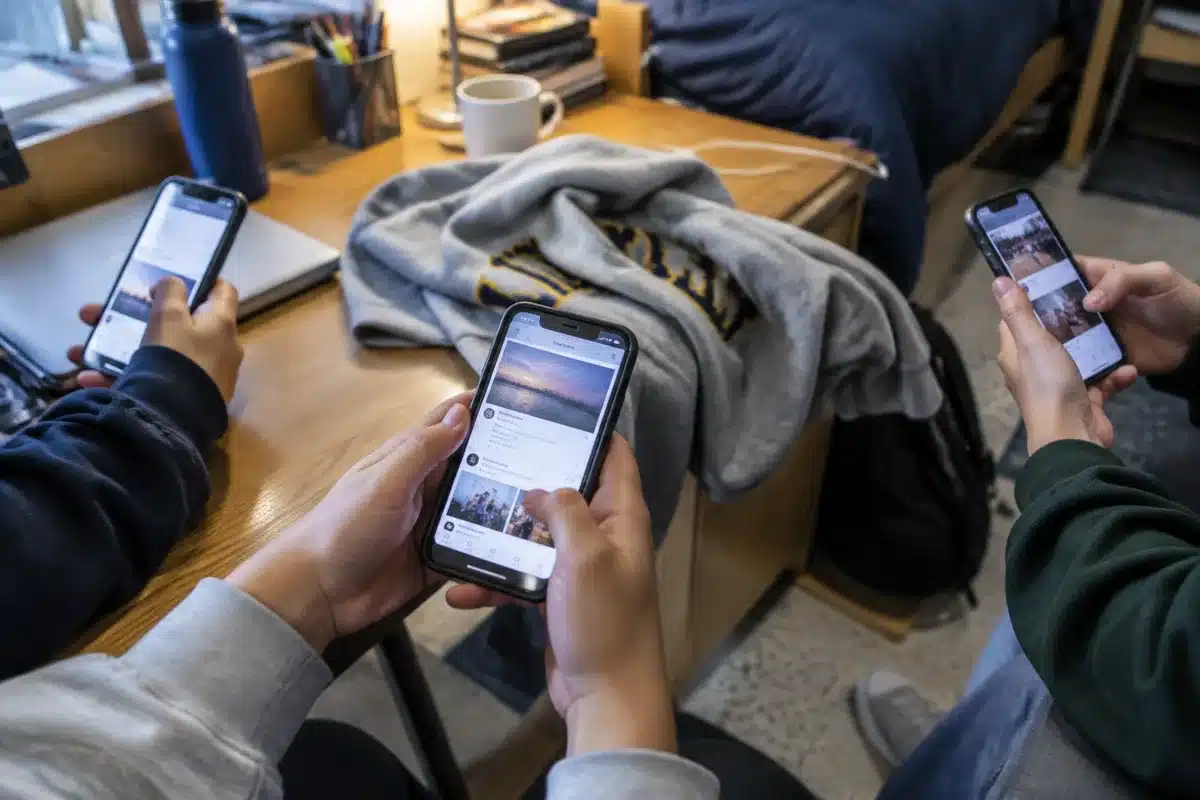
What began as disposable profiles for lighthearted banter quickly became a loose ecosystem. Users created temporary accounts to bypass platform limits and amplify each other. That ecosystem, sometimes called the “burnerverse,” spread rapidly across campus communities.
Missy Elliott finally reveals why her biggest 2000s hit has two versions
Pope Leo returns to Peru: celebrated in the country he once called home
- Accounts were easy to set up and abandon.
- Shared interests—like college sports—created initial common ground.
- Coordination and mass reposting boosted harmful content into wider view.
As anonymity and group dynamics intensified, the network shifted from taunts to targeted harassment.
When sports talk turned into doxxing and revenge image campaigns
Playful rivalry gave way to a more sinister use: trying to make sexual rumors and intimate photos linked to named students go viral. The goal was often not journalism or truth, but humiliation and social power.
One investigative profile followed a woman whose life was disrupted after being publicly identified and shamed by these accounts. That reporting traced connections between the anonymous posters and on‑campus social circles.
Common tactics used by the networks
- Doxxing: publishing names, phone numbers, or other private details.
- Image sharing: circulating intimate pictures without consent.
- Rumor amplification: repeating unverified claims to manufacture scandal.
- Burner coordination: multiple accounts reposting the same content to trick algorithms.

Why misogyny can become a bonding ritual among men
Experts say shared contempt can strengthen group ties. Mocking or exploiting women becomes a shorthand for loyalty inside the group. The behavior rewards participants with status and attention.
For some men, participating in harassment creates a sense of belonging and daring. When peers praise or amplify abuse, it squashes doubts and normalizes cruelty.
- Peer approval reinforces risky behavior.
- Anonymity reduces empathy and accountability.
- Institutional cultures—like some fraternities—can tacitly sustain the behavior.
Laws exist in every state, so why does abuse persist?
All 50 states have laws against non‑consensual distribution of intimate images, but enforcement often lags. Prosecutors face obstacles such as jurisdictional limits, evidence collection, and victims’ reluctance to engage.
Barriers to effective legal response
- Digital evidence can be ephemeral or hidden behind burner accounts.
- Victims may fear retaliation or public exposure.
- Platforms are inconsistent in takedowns and disclosures.
- Coordination across agencies and campuses is uneven.
Legal protections exist, but they are not a full remedy against widespread online harassment.
Voices on the story: journalists and legal advocates
The reporting draws on interviews with people directly affected and experts who study online abuse. Senior culture writer Ej Dickson traced specific incidents and cultural patterns for Wired. Legal scholar Dr. Mary Anne Franks, president of the Cyber Civil Rights Initiative, explains how laws and advocacy interact.
Together, their perspectives show both the human toll and the systemic failures that let such networks operate.
What platforms and campuses are doing — and what still needs attention
Some universities and social platforms have policies aimed at abuse and non‑consensual image sharing. But enforcement varies and often relies on victims to report incidents.
- Platforms can improve detection, reporting and transparency.
- Campuses should combine disciplinary action with education on consent.
- Law enforcement needs stronger protocols for digital evidence recovery.
Meaningful change requires aligned action by technology companies, schools, and legal systems.
Audio reporting and production details
The reporting and conversation are part of a podcast episode featuring the investigative piece and expert analysis. The episode includes interviews and editorial context to help listeners understand the scale and mechanics of the abuse.
Produced by Liam McBain. Edited by Neena Pathak. Engineering support from Zo van Ginhoven. Supervising Producer: Cher Vincent. Executive Producer: Barton Girdwood. VP of Programming: Yolanda Sangweni.
Support for the show and related reporting is available through NPR+ for listeners who want ad‑free episodes and other benefits.