
Show summary Hide summary
- What the show is about and why it matters
- Key players and performances that shape the show
- How the comedy and tone behave
- Character snapshots: the squad and their dynamics
- The jokes: recurring bits and their limits
- Production choices and what they signal
- Where the series struggles and where it might improve
- Early verdict and what to watch for
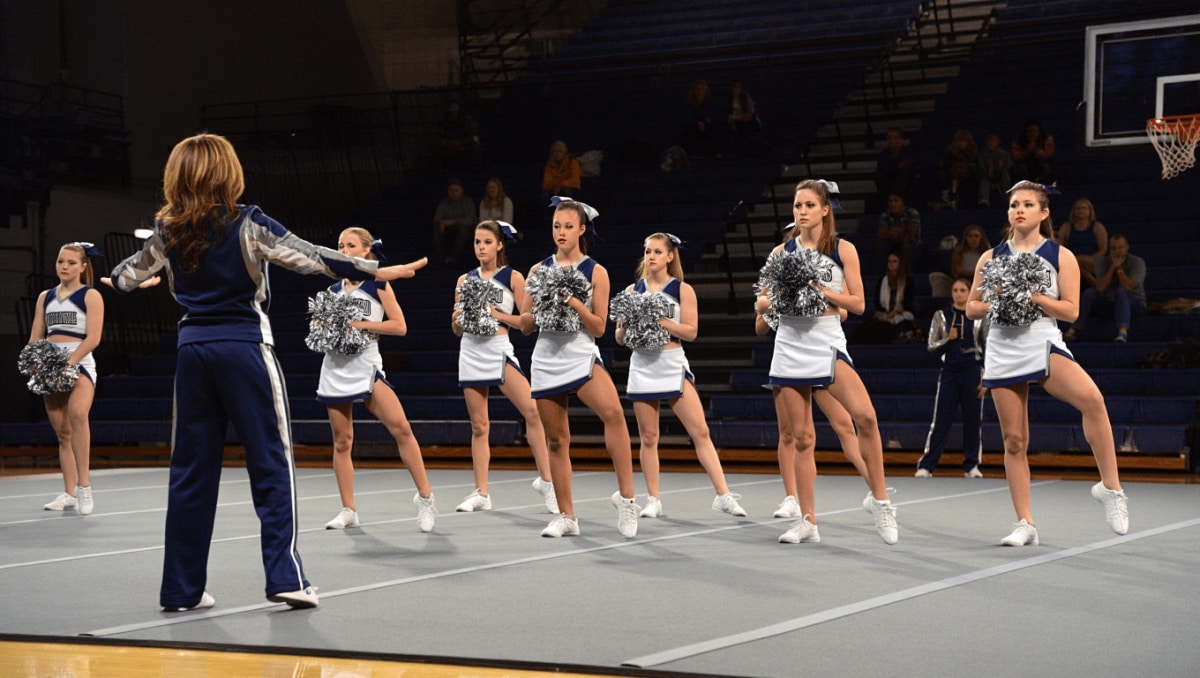
The new NBC mockumentary Stumble drops viewers into the chaotic world of junior-college cheer. It’s led by Jenn Lyon as a driven coach who must stitch together a ragtag roster. The show often feels uneven, but it’s energetic, proudly flawed, and eager to win you over.
What the show is about and why it matters
Stumble follows a celebrated coach who loses her place at an elite program. She lands at a tiny, underfunded junior college with barely a cheer squad. The premise is familiar: whip a group of outsiders into a competitive team. What matters is how the series balances spoofing college sports culture with moments meant to tug at the heart.
The series attempts to do two things at once:
Nas slams music industry over disrespect: teases new music, vows to address it
1992 vocal performances: 3 jaw-dropping moments that still amaze
- Satirize the pageantry and grind of competitive cheer culture.
- Build an underdog story that can earn emotional payoff.
Key players and performances that shape the show
Stumble’s charm rests largely on its cast and their willingness to play big. Jenn Lyon anchors the show as the coach, but the ensemble is full of colorful figures who provide the comic beats and dramatic friction.
- Jenn Lyon — plays the coach with discipline and fire. She projects urgency, though the script sometimes leaves her options limited.
- Kristin Chenoweth — pops up as a recurring guest, delivering a small but memorable comic turn as the assistant coach.
- Supporting players bring quirks: a one-person cheer squad with an odd habit, a football player seeking the spotlight, a parkour-skilled ex-con, and a middle-aged man chasing past glory.
Some performances land better than others. A few actors give sharp, textured takes that hint at deeper arcs. Others are sketched broadly and wait for more episodes to reveal nuance.
How the comedy and tone behave
Stumble tries to thread mockumentary satire with earnest sports-movie beats. That mix often results in tonal wobble. Scenes veer from broad physical gags to attempts at heartfelt uplift. The swingy tone makes it hard to know how the show wants us to feel about its characters.
What works:
- Occasional sight gags and surprising physical comedy land—especially when they are novel.
- The mockumentary framing allows for quick, punchy observations about ego and ambition.
What doesn’t:
- Running jokes lose impact with repetition.
- Some comic choices feel random rather than cleverly pointed.
Character snapshots: the squad and their dynamics
The team is assembled from a pile of mismatched, half-formed personalities. That’s intentional, but the early episodes often trade depth for shorthand.
- The coach — a veteran determined to rebuild. Her commanding presence is a show strength, but the writing sometimes makes her appear unsure of herself.
- The lone returning cheerleader — serves as the baseline for the program, with a single eccentric trait that gets repeated for laughs.
- The attention-seeking recruit — a football player who adds bravado and a subplot about ego.
- The parkour-skilled newcomer — a criminal past meets athletic skill, offered as a comic punching line and a surprise in action sequences.
- The comeback hopeful — a middle-aged man who wants to recapture former glory and brings a bittersweet thread.
- The chaotic bench player — always in some odd accident, used as a device to keep the coach from cutting them.
The lineup promises growth. For now, though, many characters feel like concept sketches rather than fully rounded people.
The jokes: recurring bits and their limits
Some recurring visual bits are genuinely funny the first time. Repetition blunts their effect. When a gag becomes predictable, the show rarely finds a new twist to restore the laugh.
Examples of comic strategies:
- Physical bits that surprise, then overuse.
- Mockumentary confessionals that swing between mean-spirited and oddly earnest.
- Absurdist details meant to satirize sports media conventions.
At times, the mockumentary conceit serves well. Other times, it exposes weak character development. A blurred-out prop here or an unexplained cutaway there can leave viewers puzzled rather than amused.
Production choices and what they signal
The show’s visual style mimics documentary realism: handheld camera work, talking-head interviews, and quick edits. That look helps some moments feel immediate and raw. But when the scripts lean on caricature, the documentary frame can’t add the warmth the writers aim for.
Casting choices are often on point, especially when actors commit to extremes. The cheer choreography and stunt work are credible; the routines look authentic thanks to the stunt ensemble.
Where the series struggles and where it might improve
The chief struggle is tonal balance. Stumble wants to be both a satire and a sentimental underdog tale. Right now, it’s trying on both roles at once.
Possible improvements as the season progresses:
- Deepen characters so jokes arise from personality, not label.
- Let supporting players breathe; give them emotional beats.
- Tighten the comic rhythm so repetitions land differently each time.
Early verdict and what to watch for
Two episodes show potential and uneven execution. The series is not so objectionable as to repel viewers. It’s simply too busy trying different tones and not yet sure which to keep.
Watch for:
- Character growth that clarifies whether we should laugh with or at them.
- Sharper jokes that build on previously set traits.
- Stronger chemistry across the ensemble as arcs develop.
If the writers refine the balance between affection and satire, Stumble could move from a messy curiosity to a genuinely engaging workplace comedy.










