Show summary Hide summary
- Why the rules matter: the constraints that create magic
- Bobby Carter’s approach to producing Tiny Desk sessions
- Standout Tiny Desk performances and what made them click
- Artists who adapt best to the Tiny Desk formula
- Dream guests and artists on Carter’s wish list
- Behind the camera and soundboard: the production team
- What’s next for Tiny Desk: growth and experimentation
- Ways listeners can support and enjoy more Tiny Desk content
Tiny Desk concerts have become a cultural touchstone because they force creativity into a small room. Bobby Carter, NPR’s Tiny Desk Creative Director, has spent over a decade shaping those cramped, intimate sessions. He sees the challenge as an opportunity: strict technical limits push artists to reveal new sides of their music. In a recent conversation with Brittany, Carter spoke about the shows he cherishes, the performers he still dreams of booking, and how Tiny Desk might evolve next.
Why the rules matter: the constraints that create magic
The Tiny Desk setup is deliberately sparse. No floor speakers, no in-ear monitors, and minimal amplification shape every performance. Those constraints can be limiting. They can also be liberating.
Tiny Desk: how artists conquer the format and win fans
Professional boxer nearly dies after terrifying asthma attack at Kanye West concert
- Artists must adjust arrangements to suit the room.
- Small ensembles and acoustic instruments often shine.
- Intimacy becomes part of the art, with softer dynamics and close vocal work.
For Carter, the toughest part is keeping the sound natural while preserving each act’s personality. That balance is what makes a Tiny Desk moment memorable.
Bobby Carter’s approach to producing Tiny Desk sessions
Carter’s process mixes technical discipline with creative flexibility. He designs layouts, coordinates instrument placement, and encourages artists to rethink songs for a close-up setting. He looks for moments where a performer’s quirks can surface.
Key production steps
- Evaluate how a song’s arrangement will translate without heavy amplification.
- Suggest subtle arrangement changes to highlight vocals or a single instrument.
- Preserve the performer’s identity while optimizing sound quality.
He prizes small surprises: a vocal ad-lib, an unamplified guitar break, a breathy chorus that feels immediate.
Standout Tiny Desk performances and what made them click
Not every session becomes iconic. But when the space and artist align, the result can be unforgettable. Carter shared the qualities that often mark the best shows.
- Clear emotional focus — songs that work stripped down.
- Strong stage chemistry among band members.
- Inventive rearrangements that honor the original while reimagining it.
These elements make Tiny Desk a platform where listeners feel like witnesses to something vulnerable and true.
Artists who adapt best to the Tiny Desk formula
Carter notices patterns: some musicians immediately find their voice in a compact room. Others need more coaxing. The most successful are those willing to experiment.
- Singer-songwriters who can carry a tune alone.
- Jazz ensembles that emphasize nuance over volume.
- Indie bands that rearrange songs for smaller instrumentation.
Adaptability is prized: performers who embrace the format often reveal unexpected facets of their sound.
Dream guests and artists on Carter’s wish list
Over 14 years, Carter has imagined many perfect Tiny Desk bookings. Some are name-brand stars; others are emerging voices he wants to spotlight.
- Established legends who could rework classics in intimate form.
- International acts whose live energy would translate uniquely.
- New artists poised to break through with stripped-down exposure.
Booking choices reflect both musical curiosity and a desire to expand the series’ sonic range.
Behind the camera and soundboard: the production team
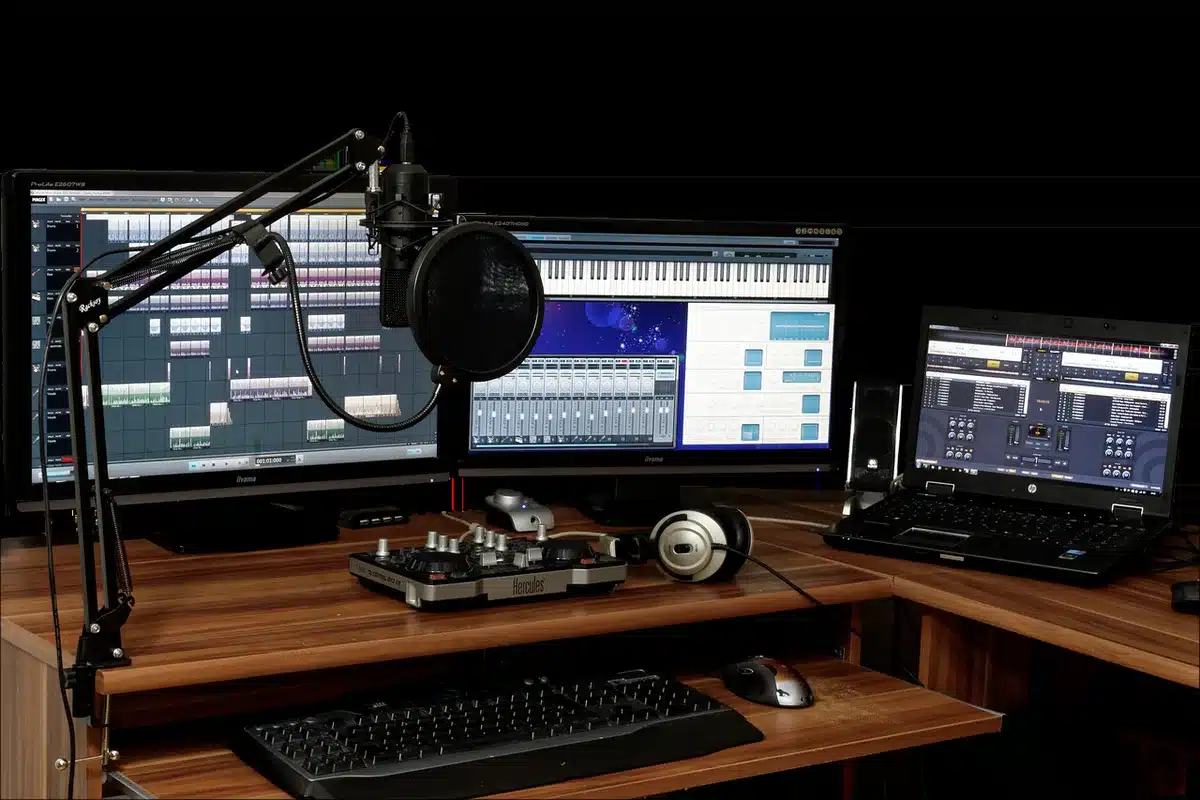
A Tiny Desk episode is a team effort. Producers, editors, and engineers collaborate to capture a live, unvarnished feel while keeping technical quality high.
- Producers shape the set list and session flow.
- Video editors craft the visual narrative of the performance.
- Engineers manage the delicate balance of acoustic sound.
Credits noted: this episode’s production was led by Alexis Williams. Video editing was handled by Maya Dangerfield and Pablo Valdivia. Executive production and programming oversight came from Barton Girdwood and Yolanda Sangweni.
What’s next for Tiny Desk: growth and experimentation
Carter envisions evolution that keeps the series’ core intimacy. Possible directions include fresh staging ideas, more diverse lineups, and new multimedia experiments.
- Expanding the global roster to highlight varied traditions.
- Testing different camera approaches without losing closeness.
- Exploring collaborations that mix genres in the Tiny Desk frame.
The aim is steady: retain the session’s human scale while broadening artistic horizons.
Ways listeners can support and enjoy more Tiny Desk content
NPR offers membership tiers that add perks for listeners who want deeper access. Subscriptions can remove sponsor interruptions and unlock extras across many podcasts.
- Membership provides sponsor-free listening for select shows.
- Subscribers often get exclusive content and early access.
- Supporting public media helps sustain series like Tiny Desk.
For more details, check NPR’s membership options and the benefits tied to higher support levels.